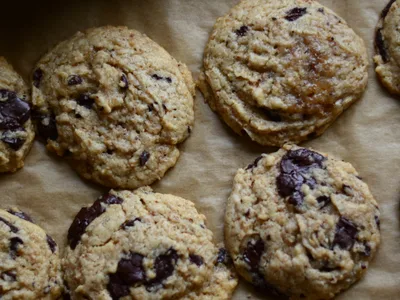
All About Tl Salz
Salt is the foundation of flavor in cooking. A teaspoon (5 grams) turns bland ingredients into something worth eating. Beyond basic seasoning, salt draws out moisture, preserves food, and creates texture in everything from bread dough to crispy potato skins. German and Italian cooks measure it in teelöffel (tl), using 1/4 to 2 teaspoons per dish.
How to Select
Buy salt based on crystal size. Fine table salt dissolves fast for baking. Kosher salt's larger crystals (1.5mm) make it easier to pinch and control. Sea salt flakes measure 2-3mm across. Check packaging dates on specialty salts. Avoid salt with anti-caking agents for pickling or fermenting.
How to Store
Keep salt in airtight containers away from steam and moisture. Glass jars work best. Fine salt stays fresh 5 years, coarse salt indefinitely. Store finishing salts like Fleur de Sel in their original containers at room temperature. Add 3-4 rice grains to shakers to absorb humidity. Never refrigerate salt.
How to Prep
Measure salt leveled (gestrichen) for baking accuracy. One level teaspoon weighs 6 grams for table salt, 5 grams for Diamond Crystal kosher. Heap (gehäuft) measurements add 25% more. Grind coarse salt in a mortar for rubs. Mix salt with paprika or pepper at 3:1 ratios for seasoning blends. Dissolve 35 grams salt per liter water for pasta.
Flavor Pairings
Salt amplifies sweetness in cookies and breads with sugar. It balances bitter greens and cuts through rich butter. German bakers combine it with natron at 1:2 ratios. Italian cooks add it to olive oil for bread dipping. It brings out umami in garlic and onions when sautéing.
Cooking Tips
Add 1% salt by weight (10g per kilo) to bread dough for proper gluten development.
Salt vegetables 10 minutes before roasting at 425°F to draw out moisture for crispier edges.
Dissolve 2 tablespoons salt per quart water for blanching vegetables. Keeps them green.
Season meat with 3/4 teaspoon per pound at least 45 minutes before cooking.
Varieties
FAQ
How much salt per liter for pasta water?
Use 10 grams (2 teaspoons) salt per liter of water. That's a 1% solution, close to seawater's 3.5% salinity. Your pasta water should taste like mild broth. This ratio seasons pasta from the inside as it cooks. For 500g pasta, boil 5 liters water with 50g salt.
Why do German recipes specify gestrichen or gehäuft?
German baking demands precision. Gestrichen means leveled, gehäuft means heaped. A level teaspoon holds 5-6 grams salt. A heaped teaspoon adds 25-30% more, about 7-8 grams. This 2-gram difference matters in bread dough hydration and cookie spread. American recipes assume leveled measurements unless specified.
Can I substitute table salt for kosher salt?
Yes, but adjust amounts. Table salt packs tighter than kosher. Use 3/4 teaspoon table salt for every 1 teaspoon kosher salt called for. By weight they're identical. A teaspoon of Morton kosher weighs 5g, Diamond Crystal only 3g. Table salt always weighs 6g per teaspoon. When precision matters, weigh your salt.
How long before cooking should I salt meat?
Salt penetrates meat 1mm per hour. For a 1-inch steak, salt 45-60 minutes ahead. Whole chickens need 4-6 hours. The salt draws out moisture initially, then the meat reabsorbs it along with the salt. This process, called dry brining, seasons meat throughout. Use 3/4 teaspoon per pound.
Recipes with Tl Salz

Crispy Smoked Tofu Wraps With Beet-Horseradish Spread
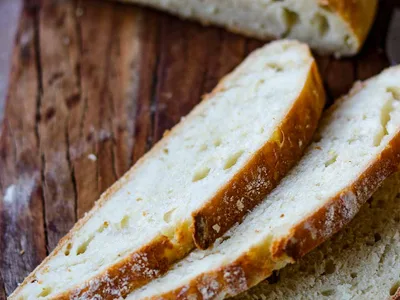
No-Knead Wheat Bread, Overnight Rise
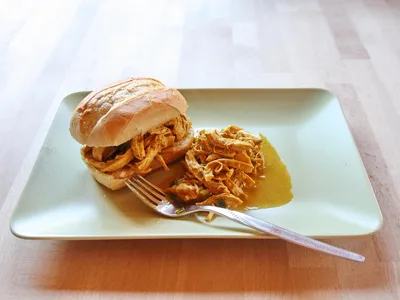
Instant Pot Tandoori Pulled Chicken with Coconut
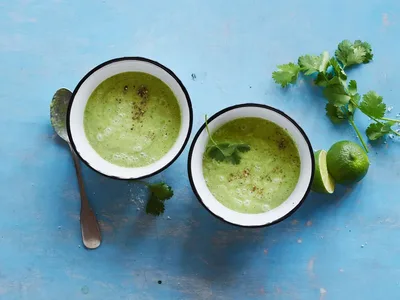
Cold Avocado Coconut Soup with Wasabi
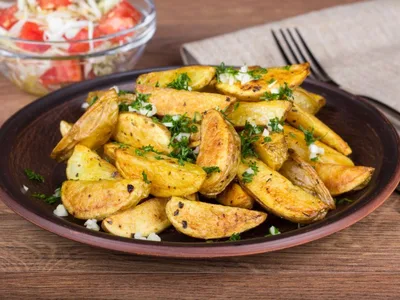
Herb and Garlic Potato Wedges