All About To Taste Salt
Salt does more than add saltiness. It pulls moisture from vegetables, strengthens gluten in bread dough, and makes meat proteins unwind for tenderness. A pinch can brighten sweet desserts or balance bitter greens. Most recipes call for kosher or table salt, but finishing salts add texture and mineral notes.
How to Select
Table salt dissolves fastest. Kosher salt has larger crystals that stick to food better. Sea salt contains trace minerals that add subtle flavor. Check the box date. Salt lasts forever but anti-caking agents in table salt can develop off flavors after 5 years.
How to Store
Keep salt in an airtight container away from moisture. Glass jars or ceramic crocks work best. Table salt stays free-flowing for 5 years. Kosher and sea salts last indefinitely but may clump after 2-3 years. Add a few grains of rice to absorb moisture. Store finishing salts separately to preserve their unique textures.
How to Prep
Measure carefully. 1 teaspoon table salt equals 1.5 teaspoons Morton kosher or 2 teaspoons Diamond Crystal kosher. Dissolve salt in liquids for even distribution. For dry rubs, mix salt with spices first. When salting meat, apply 30-60 minutes before cooking for deeper penetration. Season vegetables just before serving to prevent wilting.
Flavor Pairings
Salt amplifies every flavor it touches. Black pepper and salt form the base of most savory cooking. Lemon and salt brighten fish and vegetables. Butter carries salt's flavor through sauces. Garlic becomes sweeter with proper salting. Sweet dishes need just 1/8 teaspoon per cup of flour to enhance chocolate, caramel, or fruit flavors.
Cooking Tips
Salt pasta water until it tastes like the ocean, about 1 tablespoon per quart.
Add salt to onions while sautéing to draw out moisture and speed caramelization in 15 minutes instead of 30.
Season meat with 3/4 teaspoon salt per pound at least 45 minutes before cooking.
Sprinkle vegetables with 1/2 teaspoon salt per pound and let sit 20 minutes to remove excess water before roasting.
Varieties
FAQ
How much salt should I use when a recipe says 'to taste'?
Start with 1/4 teaspoon per serving for soups and sauces. Add more in 1/8 teaspoon increments. Most home cooks under-salt by 50%. Professional kitchens use about 1 teaspoon salt per pound of food. Taste after each addition. The food should taste more like itself, not salty.
Can I substitute different salt types?
Yes, but adjust amounts. 1 teaspoon table salt equals 1.25 teaspoons Morton kosher or 1.75 teaspoons Diamond Crystal. Sea salts vary widely. Fine sea salt measures like table salt. Coarse sea salt needs 1.5 times the volume. Never substitute finishing salts in cooking. Their texture disappears with heat.
When should I salt during cooking?
Salt raw meat 45 minutes to 24 hours before cooking. Add salt to sautéed vegetables after 2-3 minutes to draw out moisture. Salt soup and sauce bases early, then adjust at the end. Pasta water needs salt before adding noodles. Salads and fresh vegetables get salted just before serving.
Why does my food still taste bland after salting?
You probably need more salt. Most dishes need 0.5-1% salt by weight. That's 1 teaspoon per pound. Also check for acid balance. A squeeze of lemon or splash of vinegar can make salt work better. Fat carries salt flavor, so lean dishes need more. Temperature matters too. Cold foods need 25% more salt than hot ones.
Recipes with To Taste Salt
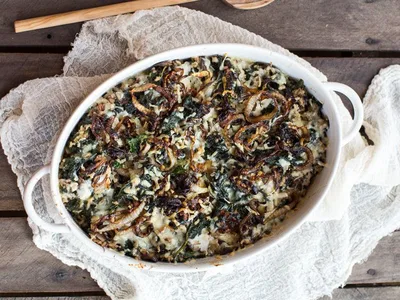
Kale and Wild Rice Casserole with Gruyère
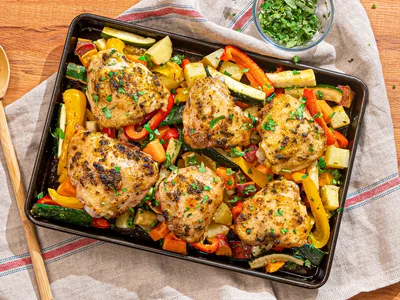
Lemon Butter Sheet Pan Chicken Thighs
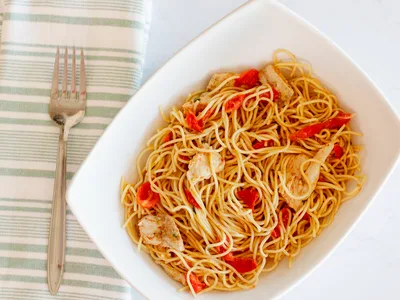
Microwave Angel Hair with Grilled Chicken Tomato Basil
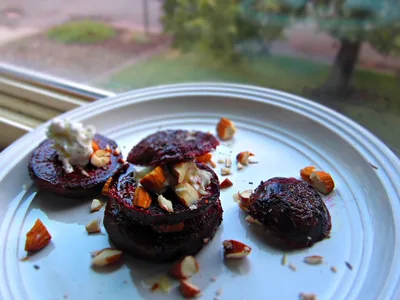
Roasted Beets with Herbed Goat Cheese and Almonds
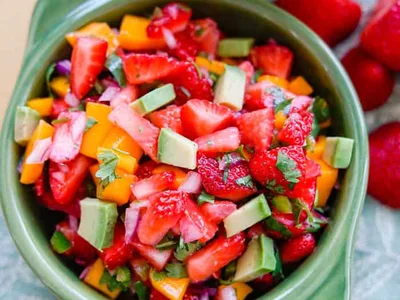
Spicy Strawberry Mango Salsa with Avocado