All About Toasted Sesame Oil
Toasted sesame oil is a finishing oil made from roasted sesame seeds, prized for its deep nutty aroma and golden-brown color. Unlike regular sesame oil, this concentrated flavor bomb adds instant depth to stir-fries, marinades, and dressings. Just 1 teaspoon can turn a bland bowl of rice into something fragrant and complex. Think of it as liquid umami that works best when drizzled on at the end of cooking.
How to Select
Look for oil in dark glass bottles, which protect against light damage. The color should be deep amber to brown, never pale yellow. Check the label for "pure" or "100% toasted sesame oil" without blends. Korean brands like Ottogi or Japanese brands like Kadoya offer consistent quality at $8-12 per 11-ounce bottle.
How to Store
Store unopened bottles in a cool pantry for up to 2 years. Once opened, keep in the refrigerator where it stays fresh for 6-8 months. The oil may solidify when cold but liquefies quickly at room temperature. Transfer to smaller bottles to minimize air exposure if you cook with it infrequently. Never store near the stove where heat accelerates rancidity.
How to Prep
Toasted sesame oil works best as a finishing touch, not a cooking oil. Drizzle 1/2 to 1 teaspoon over completed dishes just before serving. For marinades, combine 1 tablespoon with 3 tablespoons neutral oil to prevent burning during cooking. Mix into dressings at a 1:4 ratio with rice vinegar for balanced flavor. When making dipping sauces, start with 1/2 teaspoon and adjust upward since the intensity varies by brand.
Flavor Pairings
Soy sauce remains the classic partner, creating an instant umami base for marinades and stir-fries. Rice vinegar cuts through the richness while garlic and ginger add aromatic complexity. Honey balances the nuttiness in dressings. Green onions provide freshness that complements the deep roasted notes. For heat, pair with chili oil or gochugaru in Korean dishes.
Cooking Tips
Add during the last 30 seconds of stir-frying or the nutty aroma disappears at temperatures above 350°F.
Mix 1 teaspoon into 2 cups cooked rice while still hot for instant flavor without additional cooking.
Combine 1 tablespoon with 2 tablespoons soy sauce and 1 tablespoon rice vinegar for a universal Asian dipping sauce.
Store a small 2-ounce bottle at room temperature for daily use while keeping the main bottle refrigerated.
Varieties
FAQ
Can I cook with toasted sesame oil like regular oil?
No, toasted sesame oil has a low smoke point of 350°F and turns bitter when overheated. Use it only for finishing dishes or mix 1 part sesame oil with 3 parts neutral oil for medium-heat cooking. Regular untoasted sesame oil works better for high-heat cooking at 450°F. Save your toasted oil for drizzling over completed dishes where its $1 per ounce cost actually makes a difference.
How can I tell if my sesame oil has gone rancid?
Rancid sesame oil smells like old paint or crayons instead of roasted nuts. Fresh oil pours smoothly while rancid oil feels sticky. The flavor turns harsh and bitter rather than nutty-sweet. Most bottles last 6-8 months after opening when refrigerated. Mark the opening date on the bottle since the oil degrades 3 times faster at room temperature.
What's the difference between toasted and regular sesame oil?
Toasted sesame oil comes from roasted seeds heated to 300-350°F, creating a brown color and intense nutty flavor. Regular sesame oil uses raw seeds, yielding a light golden oil with mild taste. Use regular oil for cooking at high heat up to 450°F. Reserve toasted oil for finishing where 1 teaspoon equals the impact of 2 tablespoons regular oil.
How much toasted sesame oil should I use in recipes?
Start with 1/2 teaspoon for a single serving or 1 tablespoon for a 4-person dish. The concentrated flavor means less is more. For cold noodle salads, use 2 teaspoons per pound of noodles. In marinades, limit to 1 tablespoon per pound of protein. Dressings need just 1 teaspoon per 1/4 cup of total volume. You can always add more but can't remove excess.
Recipes with Toasted Sesame Oil
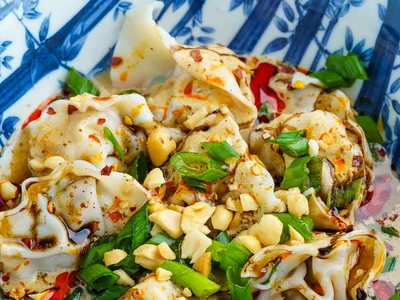
Cold Shanghai Wontons in Peanut Sauce and Chili Oil
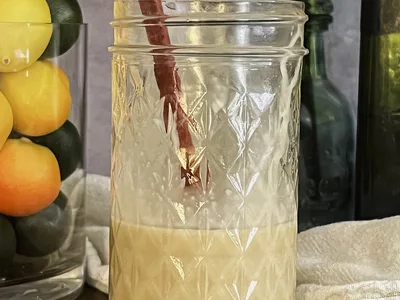
Creamy Sesame Ginger Salad Dressing
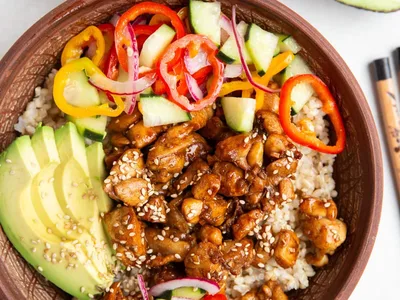
Garlic Sesame Chicken Bowls with Brown Rice
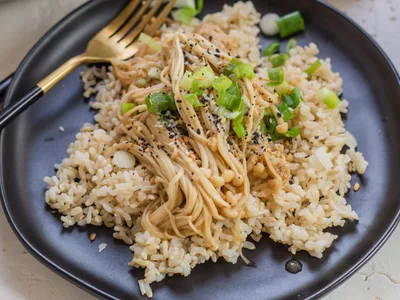
Pan-Seared Enoki Mushrooms with Miso and Sesame
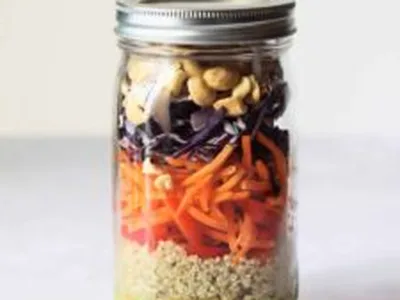
Thai Quinoa Mason Jar Salads