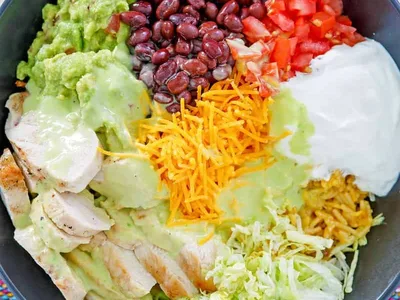
All About Tomato
Tomatoes anchor countless dishes with their sweet-tart flavor and juicy texture. Fresh ones bring bright acidity to salads and sandwiches. Cooked tomatoes develop deeper, sweeter notes perfect for sauces and stews. Their natural glutamates boost savory flavors in everything from Indian curries to Mexican salsas. Pick tomatoes based on how you'll use them. Firm ones work for slicing, soft ones for sauce.
How to Select
Press gently near the stem. Good tomatoes give slightly but spring back. Skip ones with soft spots or wrinkled skin. Ripe tomatoes smell sweet and grassy at the stem end. Color depends on variety. Red tomatoes should be deep red, not orange. Weight matters. Heavy tomatoes have more juice.
How to Store
Keep ripe tomatoes on the counter for 3-5 days. Never refrigerate unless fully ripe and you need extra time. Cold kills flavor and makes them mealy. Store stem-side down on a plate. Green tomatoes ripen in a paper bag with a banana in 3-7 days. Once cut, refrigerate in an airtight container for 2 days maximum.
How to Prep
For dicing, cut out the core at a 45-degree angle. Slice vertically into planks, stack, then cut into strips and dice. Remove seeds by halving horizontally and scooping with a spoon. Blanch in boiling water for 30 seconds to peel easily. The skin slips right off. For thin slices, use a sharp serrated knife and cut against the core, not through it.
Flavor Pairings
Tomatoes love fat. Olive oil brings out their sweetness while butter adds richness. Garlic and onions build a savory base for sauces. Fresh herbs like basil complement their acidity. Salt is crucial. It pulls out moisture and concentrates flavor. Try tomatoes with avocado for creamy contrast or cucumber for extra freshness.
Cooking Tips
Roast halved tomatoes at 425°F for 25-30 minutes to concentrate flavor.
Add 1 teaspoon sugar per pound when making sauce to balance acidity.
Salt sliced tomatoes 10 minutes before serving to draw out excess water.
Cook tomato paste for 60 seconds before adding liquid to remove raw flavor.
Varieties
FAQ
Why do recipes say to remove tomato seeds?
Seeds add bitter flavors and extra liquid that can make dishes watery. Most sauces improve when you remove them. For a smooth marinara serving 4, removing seeds from 2 pounds of tomatoes reduces cooking time by 10-15 minutes. Seeds also create texture issues in fresh salsas. Keep them for rustic dishes where you want more liquid.
Should I peel tomatoes for sauce?
Peeling creates smoother sauces but isn't always necessary. Skins contain flavor and nutrients. They break down after 45-60 minutes of simmering. For quick 20-minute sauces, peel them. Blanch in boiling water for 30 seconds, then shock in ice water. The skins slide off easily. Food mills remove skins after cooking if you change your mind.
Can I substitute canned for fresh tomatoes?
Yes, especially for cooked dishes. One 14.5-ounce can equals about 2 medium fresh tomatoes. Canned tomatoes often taste better than out-of-season fresh ones. They're picked and processed at peak ripeness. Choose whole peeled for most uses. Drain and chop them yourself for better texture control. Add them earlier in cooking since they're already soft.
How do I stop tomatoes from making my sandwich soggy?
Salt your tomato slices and let them drain on paper towels for 10 minutes. This pulls out excess moisture. Place lettuce or cheese between bread and tomato as a barrier. Toast your bread for water resistance. Cut tomatoes 1/4-inch thick maximum. Thicker slices hold more juice. Choose firm, slightly underripe tomatoes for sandwiches.
Recipes with Tomato
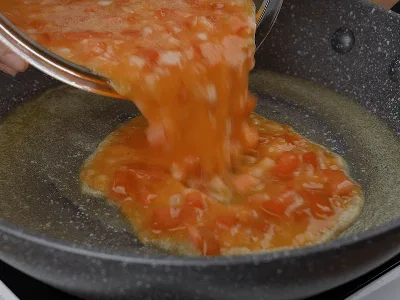
Cheesy Bread Omelet Sandwich with Ham

Cooper Black Pepper Cheese BLT Sandwich

Crispy Baked Mexican Pizza with Seasoned Beef

Double Burger with Melted Cooper Sharp Cheese
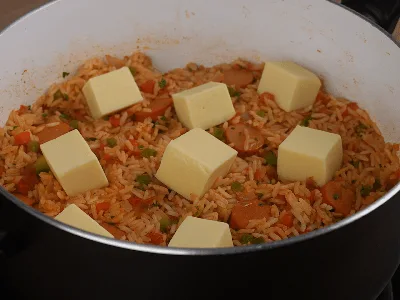
Hotdog and Mozzarella Rice Skillet