All About Uova
Eggs are the backbone of countless dishes. They bind, leaven, enrich, and create structure in everything from fresh pasta to sponge cakes. A single large egg weighs about 50 grams. The white sets at 144°F while the yolk firms at 158°F. Room temperature eggs incorporate better into batters and whip to greater volume than cold ones.
How to Select
Choose eggs with clean, uncracked shells. Grade AA eggs have thick whites and high, round yolks. Check the date stamp. Fresher eggs have tighter whites that hold their shape when cracked into a pan. The yolk should be bright yellow or orange and dome-shaped, not flat.
How to Store
Keep eggs in their original carton on a refrigerator shelf, not the door. They stay fresh 3-5 weeks past the pack date at 40°F. Store pointy end down to keep the yolk centered. Hard-boiled eggs last 7 days refrigerated. Raw whites freeze well for up to 12 months. Yolks need sugar or salt added before freezing to prevent gelling.
How to Prep
Bring eggs to room temperature 30 minutes before baking for better volume. Separate eggs while cold since the yolk membrane is stronger. Crack on a flat surface, not the bowl edge, to avoid shell fragments. For poaching, crack each egg into a small cup first. Strain whites through a fine mesh to remove watery parts for neater poached eggs. Beat whole eggs 30-45 seconds until uniform yellow.
Flavor Pairings
Eggs pair naturally with dairy like butter, milk, and cream in custards and cakes. Sugar turns them into meringues and sponges. Flour creates pasta dough when mixed 1 egg per 100 grams flour. Bacon and cheese make classic quiche combinations. Lemon brightens egg-based cookies and curds.
Cooking Tips
Whip egg whites in a copper or stainless bowl at medium speed 2-3 minutes until soft peaks form.
Add 1 tablespoon water per egg for fluffier scrambled eggs, cooking over medium-low heat.
Temper eggs by adding hot liquid slowly while whisking to prevent curdling above 160°F.
For perfect hard-boiled eggs, simmer 11 minutes then transfer to ice water immediately.
Varieties
FAQ
How can I tell if an egg is fresh?
Place the egg in a bowl of water. Fresh eggs sink and lie flat. Week-old eggs stand on one end. Eggs over 3 weeks old float. This happens because the air cell inside grows larger over time. A fresh egg's white will be thick and cloudy, spreading less than 3 inches when cracked onto a plate.
Why do some recipes call for room temperature eggs?
Room temperature eggs blend more easily into batters, creating smoother textures. They whip faster too. Cold eggs can cause butter to seize in cookie dough. Egg whites at 70°F can triple in volume when beaten, while cold whites only double. Place eggs in warm water for 5 minutes if you forgot to take them out ahead.
What's the difference between brown and white eggs?
Shell color depends on the hen's breed, not nutrition or quality. White Leghorns lay white eggs. Rhode Island Reds lay brown. Both have identical nutritional content at 70 calories and 6 grams protein per large egg. Brown eggs often cost more simply because brown-egg layers are larger birds that eat more feed. The yolk color varies based on the hen's diet.
How do I prevent eggs from curdling in sauces?
Keep the temperature below 160°F and add eggs gradually. Whisk 1/4 cup hot liquid into beaten eggs first, then slowly stream this mixture back into the pot while stirring constantly. Add 1 teaspoon cornstarch per egg for extra insurance. If lumps form, blend the sauce for 30 seconds or strain through fine mesh.
Recipes with Uova
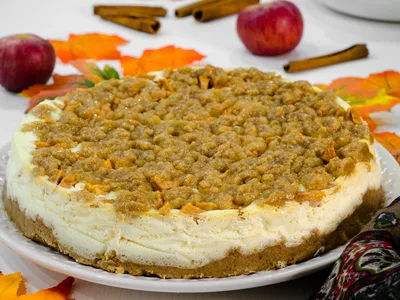
Apple Cheesecake with Crumble Topping
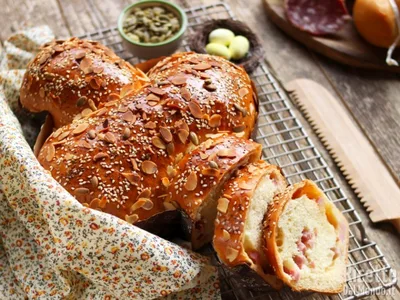
Savory Brioche Colomba with Cured Meats and Cheese

Easter Shortbread Cookie Dough with Lemon
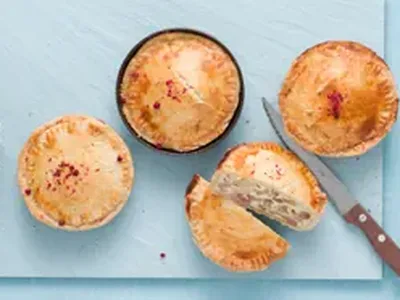
Individual Quiche Lorraine Pies with Bacon and Caramelized Onions
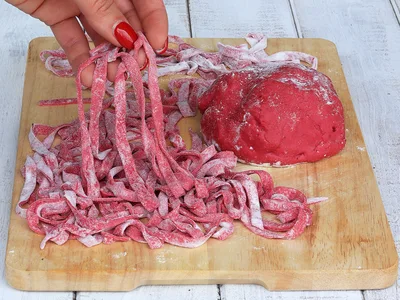
Homemade Beet Tagliatelle Pasta