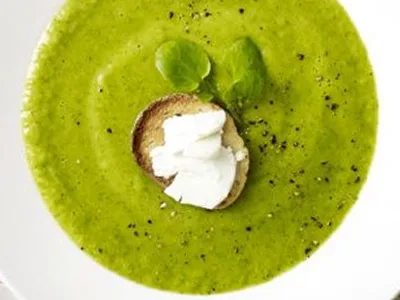
All About Vegetable Stock
Vegetable stock forms the foundation of soups, risottos, and sauces. Made from simmering vegetables for 45-60 minutes, it adds savory depth without meat. A good stock tastes clean and slightly sweet, with hints of onion and carrot. Home cooks reach for it when water alone would leave a dish flat. You'll find it simmering under risotto rice, thinning pasta sauces, or building the base for split pea soup.
How to Select
Check sodium levels first. Low-sodium versions contain 140mg per cup while regular hits 800mg. Liquid stocks taste cleaner than cubes or powders. Glass jars let you see the color. Look for amber-gold liquid without cloudiness. Avoid stocks listing sugar in the first five ingredients.
How to Store
Unopened cartons keep 12-18 months in the pantry. Once opened, refrigerate and use within 4-5 days. Pour leftover stock into ice cube trays. Each cube equals 2 tablespoons. Frozen cubes stay good for 3 months. Store bouillon cubes in a cool, dry spot for up to 2 years. Homemade stock lasts 4 days refrigerated or 6 months frozen in dated containers.
How to Prep
Heat stock to 180°F before adding to risotto or grains. This prevents temperature shock that stops absorption. For soups, start with cold stock and bring to a simmer over medium heat. Reconstitute bouillon using 1 cube or 1 teaspoon powder per cup of boiling water. Taste and dilute if too salty. Reduce stock by half over high heat to concentrate flavors for pan sauces.
Flavor Pairings
Stock bonds with olive oil to create silky soup bases. Garlic and onion amplify its savory notes. Tomato paste stirred into hot stock builds umami depth. Ground cumin transforms plain stock into an earthy base for tagines. Butter whisked into warm stock creates instant pan sauces. The neutral flavor carries lemon in risottos or herbs in steamed fish dishes.
Cooking Tips
Keep stock at 180°F on a back burner when making risotto. Cold stock drops rice temperature and stops starch release.
Replace half the water with stock when cooking grains. Use a 2:1 ratio of liquid to quinoa or 1.5:1 for rice.
Reduce 2 cups stock to 1/2 cup over high heat for pan sauces. Takes 12-15 minutes.
Add 1 tablespoon tomato paste per cup of stock for richer color and umami in soups and stews.
Varieties
Need a substitute? See our Best Substitutes for Vegetable Stock guide with tested ratios.
FAQ
Can I substitute water for vegetable stock?
Water works but leaves dishes one-dimensional. Stock adds 15-20% more flavor depth. For every cup of water, add 1/2 teaspoon soy sauce or 1 teaspoon tomato paste to approximate stock's savory quality. In risottos or pilafs where stock gets absorbed, the difference shows most. Soups hide the swap better, especially if you add an extra bay leaf or parmesan rind while simmering.
How much stock do I need per person for soup?
Plan 1.5-2 cups of finished soup per person as a main course. Since vegetables and proteins take up space, start with 1.25 cups stock per serving. A pot serving 4 needs 5 cups stock. For starter portions, use 3/4 cup stock per person. Hearty soups with beans or potatoes stretch further than brothy ones.
What's the difference between stock and broth?
Stock simmers 45-90 minutes with more vegetables and sometimes roasted bones. Broth cooks 20-30 minutes and tastes lighter. Stock has 3-4 grams protein per cup from dissolved collagen. Broth contains 1-2 grams. Stock's thicker body comes from longer cooking. Both work interchangeably in recipes, though stock gives richer results in reductions.
How do I fix oversalted stock?
Dilute salty stock with equal parts water to cut sodium by 50%. Add a peeled potato cut in quarters and simmer 15 minutes to absorb excess salt. Remove potato before using. For every too-salty cup, add 1/4 cup water plus 1 teaspoon tomato paste to maintain flavor. Next time, use low-sodium stock at 140mg per cup instead of regular at 800mg.
Recipes with Vegetable Stock
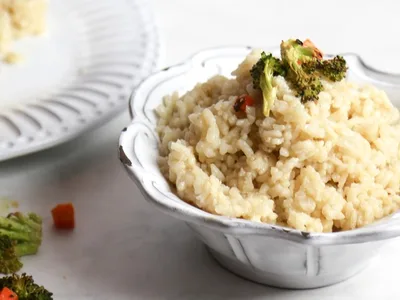
5-Ingredient Vegan Risotto with Lemon
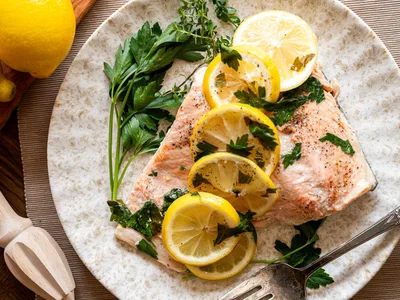
Lemon-Herb Steamed Salmon with Butter and Stock
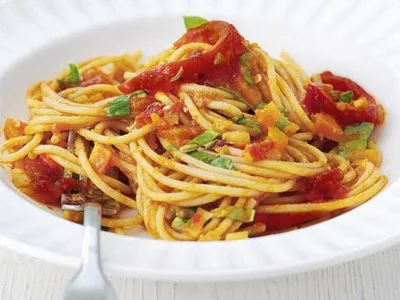
Roasted Red Pepper Vegetable Pasta Sauce
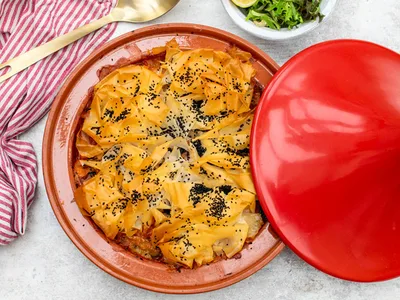
Sweet Potato Tagine Pot Pie with Phyllo Crust
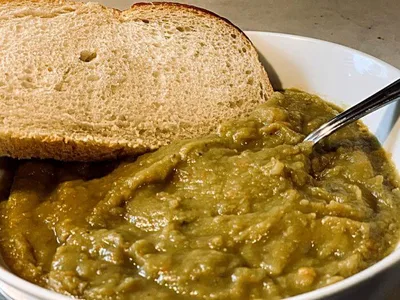
Vegan Split-Pea Soup with Potatoes