All About Vodka
Vodka is a clear, neutral spirit distilled from grains or potatoes to 95% alcohol, then diluted to 40% ABV. In cooking, it dissolves both water-soluble and alcohol-soluble compounds, creating smoother sauces and extracting flavors other liquids miss. Beyond cocktails, vodka prevents ice crystals in frozen desserts, keeps pie crusts flaky at 1-2 tablespoons per crust, and makes tomato sauces taste brighter without adding its own flavor.
How to Select
Buy 80-proof vodka for cooking. The bottle should list 40% ABV or 80 proof on the label. Skip flavored versions for cooking unless a recipe specifically calls for them. A $15-20 bottle works perfectly. Store brands perform identically to premium ones in cooked dishes.
How to Store
Keep vodka in a cool, dark cabinet at 60-70°F. The bottle stays good indefinitely when sealed. After opening, vodka maintains quality for 10-20 years if you keep the cap tight. Freezer storage at -5°F won't hurt it, but room temperature works fine. Vodka won't freeze in home freezers since it needs -16°F to solidify.
How to Prep
Measure vodka in a dry measuring cup for accuracy. For pasta sauce, add 1/4 cup vodka after tomatoes cook for 5 minutes, then simmer 20 minutes to cook off harsh alcohol taste. In pie dough, substitute 2 tablespoons vodka for water to create steam without developing gluten. For infusions, add 2 cups vodka to herbs or peppers in a jar, steep 3-5 days, then strain through coffee filters.
Flavor Pairings
Vodka amplifies tomatoes, cream, and citrus without competing. It dissolves capsaicin in hot peppers for even heat distribution. With coffee liqueur, it creates Black Russians. Lime juice and vodka form the base for Moscow Mules. Heavy cream and vodka create silky pasta sauces that cling better than cream alone.
Cooking Tips
Add vodka to tomato sauce at 1/4 cup per 28-ounce can of tomatoes for brighter flavor.
Replace 25% of ice water with vodka in pie dough for flakier crusts that roll out easier.
Freeze vodka to -5°F for smoother frozen cocktails that blend without dilution.
Let vodka-spiked sauces simmer 20 minutes minimum to cook off raw alcohol bite.
Need a substitute? See our Best Substitutes for Vodka guide with tested ratios.
FAQ
Does cooking burn off all the alcohol?
No. After 15 minutes of simmering, about 40% of alcohol remains. After 30 minutes, 35% stays. Even after 2.5 hours of cooking, 5% of the original alcohol content persists. Most vodka pasta sauces retain 25-40% of their alcohol after typical 20-minute cooking times.
Can I substitute something else for vodka in recipes?
In tomato sauces, use 2 tablespoons white wine vinegar plus water to equal the vodka amount. For pie crusts, use ice-cold water. In frozen desserts, add 1 tablespoon corn syrup per 1/4 cup vodka called for. These substitutes won't perfectly replicate vodka's effects but provide workable alternatives.
Why add vodka to pasta sauce?
Vodka dissolves flavor compounds in tomatoes that neither water nor oil can access. At 40% ABV, it acts as a bridge between water-based and oil-based ingredients, creating a unified sauce. The alcohol also releases aromatic compounds that evaporate at 173°F, carrying tomato essence to your nose.
How much vodka should I keep for cooking?
A 750ml bottle lasts 6-12 months for regular cooking. Most recipes use 1/4 to 1/2 cup. At 2 tablespoons per pie crust or 1/4 cup per pasta sauce, one bottle covers 12 pies or 12 pasta dinners. Buy the cheapest unflavored 80-proof vodka available.
Recipes with Vodka
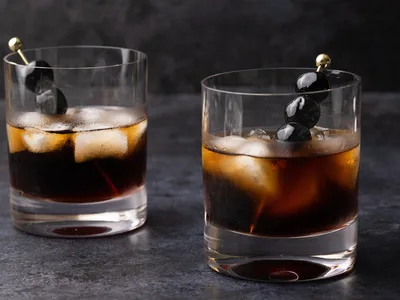
Black Russian Cocktail: Vodka and Kahlúa Recipe
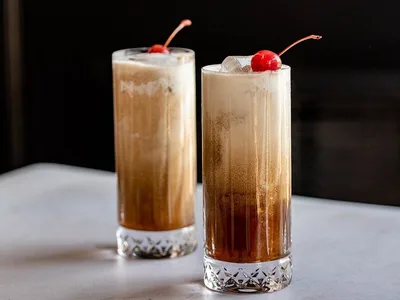
Colorado Bulldog: Creamy Coffee Vodka Cocktail
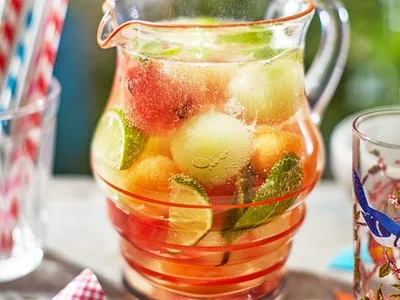
Cucumber Mint Melon Vodka Punch
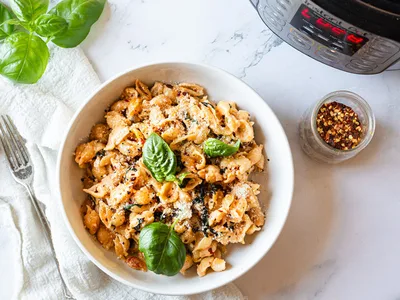
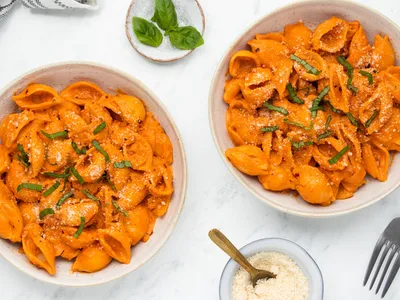
Instant Pot Vodka Pasta with Cream and Basil
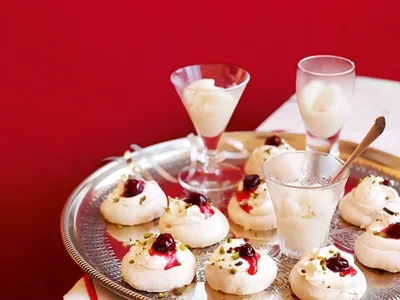
Mini Meringues with Vodka-Soaked Cranberries