All About White Chocolate
White chocolate contains cocoa butter, milk solids, and sugar but no cocoa solids. It brings creamy sweetness and vanilla notes to desserts. Melts at 86-88°F, making it perfect for ganaches and mousses. Unlike dark chocolate, white chocolate won't add bitterness or deep cocoa flavor to your bakes.
How to Select
Look for ivory or pale yellow color. Check the label for at least 20% cocoa butter content. Good white chocolate snaps cleanly when broken. Avoid anything that looks chalky or has gray streaks. Lindt, Ghirardelli, and Valrhona make reliable baking bars.
How to Store
Keep wrapped tightly in a cool, dry spot at 60-70°F. Pantry shelf life is 4-6 months. In the fridge, it lasts up to 1 year but can absorb odors. Store away from spices and onions. White chocolate develops bloom (white spots) faster than dark chocolate when temperature fluctuates. Bloom is safe to eat but affects texture.
How to Prep
Chop with a sharp knife on a dry board. For even melting, cut into 1/4-inch pieces. Melt in 20-second microwave bursts at 50% power, stirring between. Double boiler method: heat water to 140°F, remove from heat, then stir chocolate in top bowl. White chocolate seizes easily, so keep water away. For folding into batters, chop to rice grain size.
Flavor Pairings
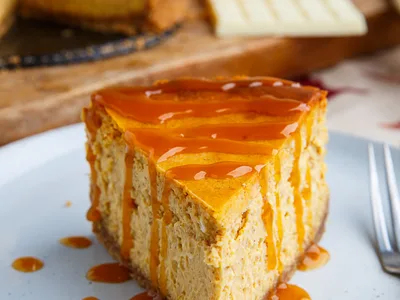
White chocolate loves berries, especially raspberries and strawberries. The sweetness balances tart fruit. Pairs beautifully with lemon curd, fruit, and mango. Nuts like macadamias and hazelnuts add crunch. Vanilla, cinnamon, and cardamom enhance the creamy notes. Works in blondies with brown butter or cheesecakes with gingersnap crusts.
Cooking Tips
Melt white chocolate at 86-88°F max. Higher temps cause it to seize and turn grainy.
Add 1 tablespoon neutral oil per 8 ounces when making bark or dipped treats for better flow.
Fold chunks into cookie dough during the last 30 seconds of mixing to prevent overmixing.
For ganache, use a 2:1 ratio of white chocolate to cream. Heat cream to 180°F before pouring.
Need a substitute? See our Best Substitutes for White Chocolate guide with tested ratios.
FAQ
Why does my melted white chocolate turn thick and lumpy?
White chocolate seized because it got too hot or water touched it. Even 1 drop of water makes it clump. Fix seized chocolate by stirring in 1 teaspoon of vegetable oil per 6 ounces of chocolate. Next time, melt at 86-88°F and keep bowls completely dry. Use a thermometer to check temperature.
Can I substitute white chocolate chips for chopped bars?
Chips contain stabilizers that prevent proper melting. They hold their shape at 350°F oven heat. For melting or ganache, use bar chocolate with at least 20% cocoa butter. Chips work fine folded into cookie dough or muffin batter. One 12-ounce bag of chips equals about 2 cups.
How do I make white chocolate curls for decorating?
Warm a white chocolate bar to 70-75°F by microwaving for 5 seconds. Drag a vegetable peeler along the edge at a 45-degree angle. Work quickly before it cools. For best results, use a bar at least 1/2 inch thick. Store curls between parchment in an airtight container for up to 2 weeks.
What's the difference between white chocolate and almond bark?
Real white chocolate contains cocoa butter, while almond bark uses vegetable oils. Check labels for cocoa butter in the first 3 ingredients. Almond bark melts easier but tastes waxy. White chocolate costs $8-12 per pound versus $3-5 for almond bark. For candy making, splurge on real white chocolate.
Recipes with White Chocolate
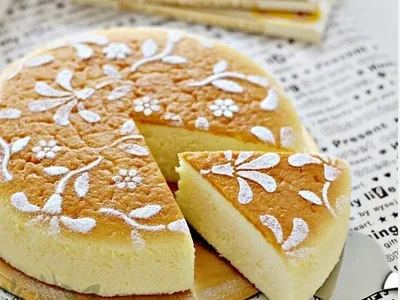
Japanese-Style Steamed Soufflé Cheesecake
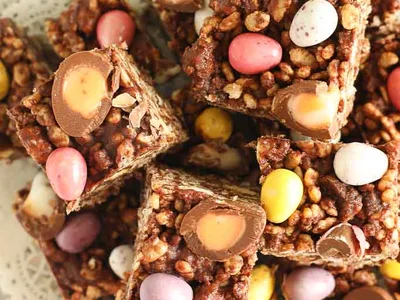
No-Bake Dark Chocolate Rice Crispy Easter Fridge Cake
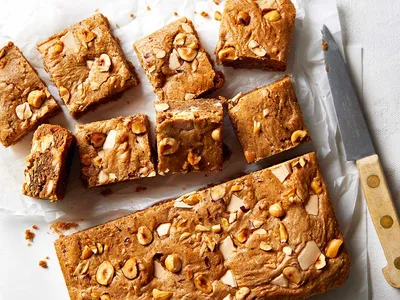
Rye and Hazelnut Blondies with Brown Butter
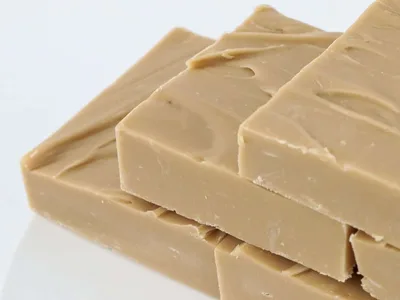
Thermomix Caramel Fudge with White Chocolate
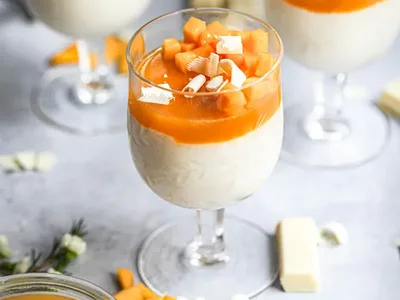
White Chocolate Mousse with Mango Jelly