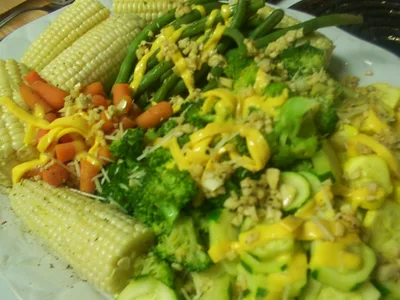
All About Yellow Squash
Yellow squash is a mild summer vegetable with tender flesh and edible skin that cooks in 5-10 minutes. Its subtle flavor and soft texture make it perfect for quick sautés, grilling, and casseroles. The flesh releases moisture as it cooks, turning from firm and crisp to silky and slightly sweet at 165°F internal temperature.
How to Select
Choose squash that weighs 4-8 ounces with bright yellow skin and no soft spots. The skin should feel firm and slightly waxy. Smaller ones under 6 inches taste sweeter. Check the stem end for freshness. It should be green and moist, not brown or shriveled.
How to Store
Keep unwashed squash in the crisper drawer for up to 7 days. Store in a perforated plastic bag to maintain 95% humidity. Once cut, wrap tightly in plastic and use within 3 days. Never store below 45°F as cold damage causes pitting. Cooked squash keeps 3-4 days refrigerated in an airtight container.
How to Prep
Rinse and trim both ends. For half-moons, slice lengthwise then cut crosswise into 1/4-inch pieces. For rounds, cut straight across at 1/8 to 1/2 inch thickness. Dice by quartering lengthwise, then cutting across. The skin is edible but peel if it feels tough. Pat dry before cooking to prevent steaming. Salt slices 10 minutes before grilling to draw out excess moisture.
Flavor Pairings
Yellow squash loves garlic and olive oil, absorbing both flavors as it softens. Fresh herbs like basil and oregano complement its mild taste. It pairs naturally with zucchini in ratatouille and grilled vegetable platters. Red bell peppers add sweetness while onions provide depth. Parmesan cheese melts beautifully over roasted slices.
Cooking Tips
Sauté over medium-high heat for 4-5 minutes until edges turn golden but centers stay tender.
Grill 1/2-inch slices for 3 minutes per side at 400°F for char marks without mushiness.
Roast at 425°F for 15-20 minutes, flipping once when bottom browns.
Steam whole baby squash for 6-8 minutes until knife-tender at 165°F internal temperature.
Varieties
FAQ
Why does my yellow squash turn mushy when cooking?
Overcooking or using too low heat causes mushiness. Yellow squash is 95% water and needs high heat to evaporate moisture quickly. Cook at 400°F or higher and remove from heat when just fork-tender, about 5-7 minutes for sautéing. Salt slices 10 minutes before cooking to draw out water. Cut pieces uniformly so they cook at the same rate.
Can I freeze yellow squash?
Yes, but the texture changes. Blanch 1/2-inch slices in boiling water for 3 minutes, then ice bath immediately. Drain well and freeze in single layers on sheet pans before transferring to bags. Use within 10 months. Frozen squash works best in soups and casseroles where texture matters less. For best results, add frozen directly to hot dishes without thawing.
What's the difference between yellow squash and zucchini?
Both are summer squashes with similar cooking times and 95% water content. Yellow squash has slightly sweeter flavor and softer seeds. Zucchini holds its shape better at high heat. You can substitute one for the other in any recipe using a 1:1 ratio. They cook identically and pair with the same seasonings.
Should I peel yellow squash?
Only peel squash over 8 inches long or if the skin feels tough and waxy. Young squash under 6 inches has tender, nutritious skin. The skin contains most of the vitamin A and adds color to dishes. If you notice bitter flavor, the squash is likely overripe. Peel these and remove large seeds before cooking.
Recipes with Yellow Squash
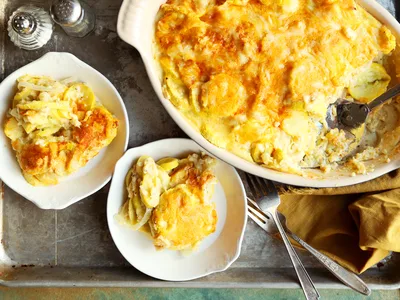
Charleston Yellow Squash Casserole with Nutmeg
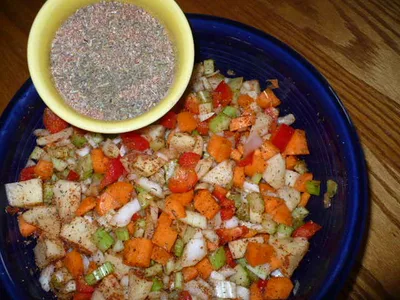
Creole Chicken Pot Pie with Frozen Crust
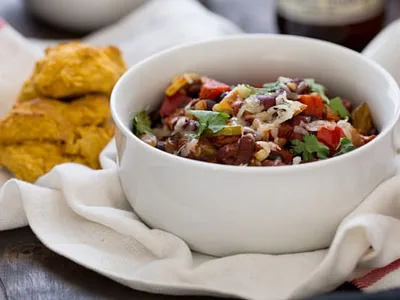
Freezer-Friendly Vegetarian Bean and Vegetable Chili
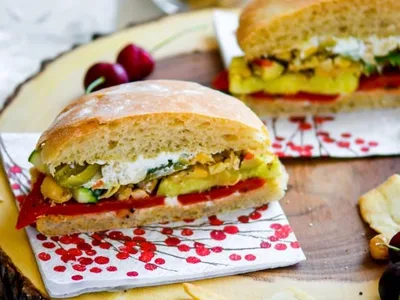
Grilled Vegetable and Smashed Chickpea Ciabatta Sandwich
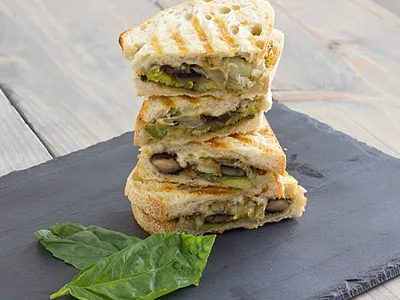
Pesto-Roasted Vegetable Panini with Parmesan and Sourdough