All About Zwiebel
Zwiebel, the German word for onion, forms the foundation of countless dishes across cuisines. These pungent bulbs deliver sharp, sulfuric heat when raw that mellows into sweet, caramelized depth after 15-20 minutes of cooking. Beyond flavor, onions provide textural contrast and help build the aromatic base that makes stews, curries, and braises taste complete.
How to Select
Choose onions that feel firm and heavy for their size, with dry, papery outer skins. Avoid bulbs with soft spots, green sprouts, or dark patches. A 7-ounce yellow onion should fill your palm. Red onions show deep purple-red color throughout. Store-bought onions typically last 2-3 weeks at room temperature.
How to Store
Keep whole onions in a cool, dark spot with good airflow, ideally 45-55°F. A mesh bag or open basket works better than plastic. Never store with potatoes, which release moisture and gases that speed sprouting. Cut onions go in an airtight container in the fridge for up to 7 days. Whole onions last 30-45 days in proper storage, while refrigerated ones keep 2 months.
How to Prep
For even dice, halve the onion pole to pole, peel, then make vertical cuts 1/4 inch apart without cutting through the root. Turn 90 degrees and slice crosswise. Soak sliced raw onions in cold water for 10 minutes to tame their bite. For caramelized onions, slice 1/8 inch thick and cook over medium-low heat for 35-45 minutes, stirring every 5 minutes.
Flavor Pairings
Onions amplify the savory notes in tomato-based sauces and balance the richness of bacon or ground meat. Garlic and onion together create the aromatic base for Italian pasta sauces, Mexican salsas, and Indian curries. Cumin enhances onion's earthy sweetness in Middle Eastern dishes. Fresh herbs like thyme or oregano brighten cooked onions.
Cooking Tips
Salt sliced onions and let sit 15 minutes before cooking to draw out moisture for faster caramelization.
Add a pinch of baking soda to onions cooking over high heat to speed browning by 50%.
Cook onions in a 2:1 ratio of oil to achieve deep golden color in under 10 minutes.
Freeze caramelized onions in ice cube trays for instant flavor boosts, each cube equals 2 tablespoons.
Varieties
FAQ
Why do onions make you cry?
Cutting onions releases sulfur compounds that form sulfuric acid when they hit your eyes. Chill onions for 30 minutes before cutting to slow this reaction. A sharp knife causes less cell damage than a dull one. Some cooks light a candle near their cutting board, claiming the flame burns off the compounds, though scientists debate whether this actually works.
Can you freeze onions?
Raw chopped onions freeze well for up to 8 months in freezer bags with the air pressed out. They lose their crisp texture but work perfectly in cooked dishes. Blanching for 3 minutes before freezing helps preserve flavor. Frozen onions release more water when cooked, so use 25% less liquid in your recipe. Caramelized onions freeze even better than raw ones.
How much onion equals one medium onion?
One medium onion weighs about 8 ounces and yields 1 cup diced or 1.5 cups sliced. This equals roughly 2 tablespoons onion powder or 1/4 cup dried onion flakes when substituting. Most recipes calling for one onion work fine with anything from 6-10 ounces. German recipes often specify 100-150 grams per serving.
What's the difference between sautéing and caramelizing onions?
Sautéed onions cook 5-8 minutes over medium-high heat until translucent with slight browning. Caramelized onions need 30-45 minutes over medium-low heat to develop deep amber color and jammy texture. The long, slow cooking converts onion starches into sugars, creating sweetness. True caramelization happens around 320°F, when sugars brown and develop complex flavors.
Recipes with Zwiebel

Crispy Tofu Bowl with Ssamjang and Pak Choi
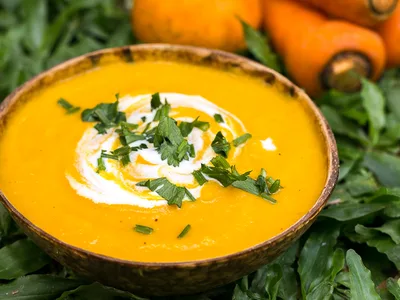
Vegan Carrot Ginger Soup with Orange
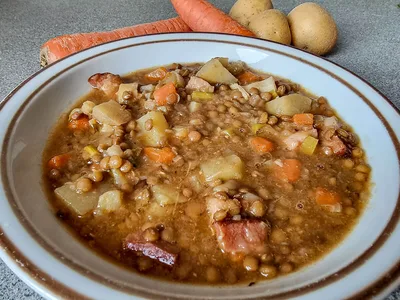
Slow Cooker Lentil Stew with Bacon
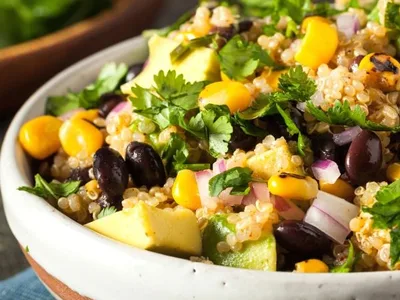
Mexican Quinoa Salad with Avocado and Beans

Grilled Steak Baguette with Chili Cheese