Classic White Bread with Lard and Yeast
- Prep
- 15 min
- Cook
- 30 min
- Yield
- 3 servings
- Level
- medium
- Cuisine
- American
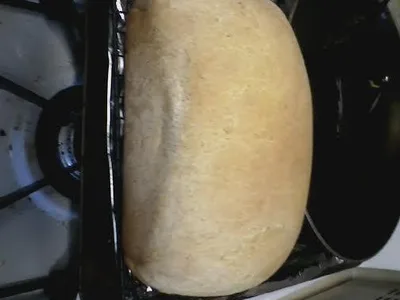
A traditional homemade white bread made with warm water, active dry yeast, and lard for a tender crumb and soft crust. This three-loaf recipe uses a simple bulk fermentation method without machinery, allowing time for flavor development. The dough rises twice for volume and structure. Best served warm with butter, perfect for sandwiches, toast, or alongside soups and stews. This version prioritizes the old-fashioned lard technique, which creates a distinctly soft texture compared to oil-based breads.
No ratings yet — be the first
Ingredients
- 2 ¾ cup water, warm, approximately 105 degrees
- 1 tablespoon active dry yeast, or instant yeast
- ⅓ cup sugar
- 1 tablespoon salt
- 2 tablespoon lard, melted
- 6 cup all-purpose flour, or 7 cups, adjust for dough consistencybread flour1:1baking
May require slightly less water; produces chewier crumb
Method
11 steps- 1
Combine sugar, yeast, melted lard, and warm water in a large bowl.
- 2
Stir and let stand until mixture becomes bubbly, about 2 to 5 minutes.
- 3
Add salt and flour, stirring until combined, then mix well until shaggy dough forms.
- 4
Cover with a towel and let stand for 30 to 60 minutes until nearly doubled.
- 5
Punch down dough to release gas.
- 6
Knead briefly on a floured surface until smooth.
- 7
Divide into three equal portions and shape into loaves.
- 8
Place each loaf into greased loaf pans.
- 9
Let rise uncovered until dough rounds above the rim of the pans.
- 10
Bake at 350 degrees until golden and done, about 30 minutes.
- 11
Turn out onto wire racks and brush tops with butter if a softer crust is desired.
Tips
Water temperature is critical: too cold slows fermentation, too hot kills yeast. Use 105 degrees for reliable activation.
Lard creates a notably tender crumb; if unavailable, substitute shortening or butter at the same ratio for similar results.
Rise times vary with room temperature; warmer kitchens may need only 30 minutes, cooler rooms up to 60 minutes.
Good to Know
Keep in an airtight container at room temperature for up to 3 days. Freeze wrapped loaves for up to 2 months; thaw at room temperature.
Mix dough up to 12 hours ahead; refrigerate after first rise and let come to room temperature before shaping and final rise.
Serve warm or at room temperature. Excellent with butter, jam, sandwich fillings, or alongside soups and chowders.
Common Mistakes
Use water cooler than 100 degrees or hotter than 110 degrees to avoid killing yeast or slow fermentation.
Skip the towel during rise to prevent surface drying and cracking.
Overwork dough after punching down; brief kneading maintains tender crumb.
Substitutions
FAQ
Can I use instant yeast instead of active dry?
Yes. Instant yeast works at the same ratio and may activate slightly faster. Reduce standing time by a minute or two and watch for bubbles before proceeding.
What if my dough is too sticky after mixing?
Add flour one tablespoon at a time during mixing until dough pulls together. The recipe allows 6 to 7 cups; use the higher amount for humidity-prone kitchens.
How long can I keep baked loaves?
At room temperature in an airtight container, up to three days. Freeze unwrapped loaves, then wrap tightly in plastic for up to two months.