Cuban Ropa Vieja: Braised Shredded Beef Stew
- Prep
- 15 min
- Cook
- 1 hr 15 min
- Yield
- 6 servings
- Level
- medium
- Cuisine
- Cuban
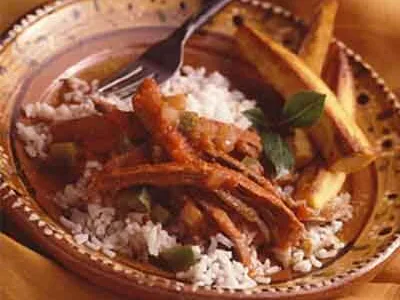
Ropa vieja, meaning 'old clothes' in Spanish, is a celebrated Cuban braise of tender shredded beef simmered in a vibrant tomato sauce with peppers and onions. This humble dish transforms tough cuts of meat through slow cooking into silky strands that absorb rich, savory flavors. Bell peppers, garlic, and cumin provide warmth and earthiness, while tomato sauce adds brightness and body. The dish balances acidity with depth, creating comfort food that's deeply satisfying yet restaurant-worthy. Perfect for weeknight dinners or casual entertaining, ropa vieja feeds a crowd affordably. This version uses flank steak braised until fork-tender, then combined with a quick-cooked pepper soffritto and tomato base. It's traditionally served over white rice, allowing the flavorful sauce to soak through each grain. The slow braise and simple technique make it accessible to home cooks seeking authentic Caribbean flavor without complexity.
No ratings yet — be the first
Ingredients
- 6 cup water
- 1 ½ pound flank steak
- 1 medium onion, quartered
- 1 large carrot, peeled and cut into 1-inch pieces
- 1 bay leaf
- 2 tablespoon butter
- 1 medium green bell pepper, coarsely chopped
- ½ cup onion, coarsely chopped
- 2 teaspoon garlic, fresh, chopped
- 15 ounce tomato sauce, canned, chunky
- 3 tablespoon red wine(optional)
- ½ teaspoon ground cumin
- ½ teaspoon salt
- rice, hot cooked
Method
6 steps- 1
Combine water, flank steak, quartered onion, carrot, and bay leaf in a 4-quart saucepan. Bring to a boil over medium-high heat, then reduce to low and simmer until the beef is tender.
- 2
Remove the beef and let it cool enough to handle. Reserve 1 cup of the broth. Shred the beef into 2-inch pieces using two forks.
- 3
Melt butter in a 12-inch skillet until sizzling. Add the chopped bell pepper, onion, and garlic. Cook over medium-high heat until softened.
- 4
Pour in the reserved broth, tomato sauce, red wine if using, cumin, and salt. Bring to a boil.
- 5
Add the shredded beef and reduce heat to low. Cook, stirring occasionally, until flavors blend.
- 6
Serve over hot cooked rice.
Tips
Shred the beef while still warm for cleaner, more uniform strands. Cold beef becomes stringy and harder to break apart evenly with forks.
Reserve the cooking broth to build sauce body. This beef stock carries gelatin and flavor that store-bought broth cannot match, creating silkier, more cohesive sauce.
Red wine deepens the sauce's complexity, but omit it if you lack it; the tomato and cumin provide sufficient flavor depth on their own.
Good to Know
Refrigerate in an airtight container up to 4 days. The flavors meld and deepen after a day. Reheat gently over low heat, stirring, adding broth or water if sauce has thickened.
Braise the beef through shredding a day ahead. Cool, cover, and refrigerate. Prepare the sauce separately, then combine and warm through before serving.
Serve over white rice. Accompany with black beans, fried plantains, lime wedges, and a simple green salad for a full Cuban meal.
Common Mistakes
Skip the resting period after cooking beef to avoid difficulty shredding; warm meat shreds cleanly.
Overcook the vegetable soffritto to avoid losing the fresh pepper flavor that balances the rich, long-cooked beef.
Omit the reserved broth to avoid sauce that's too thick and pasty; the gelatin creates silky body.
Substitutions
Dairy-Free Swaps
General Alternatives
looser consistency, fresher taste
FAQ
Can I make ropa vieja in a slow cooker?
Yes. Place beef, water, onion, carrot, and bay leaf in a slow cooker. Cook on low 6-8 hours until very tender. Shred, then sauté pepper soffritto separately and combine as directed. Final simmer time reduces to 10 minutes.
What if I don't have flank steak?
Chuck roast, brisket, or short ribs work equally well and braise to similar tenderness in the same time. Adjust thickness slightly for even cooking. All develop the same fork-shred texture.
Can I freeze ropa vieja?
Yes. Cool completely, then freeze in airtight containers up to 3 months. Thaw overnight in the refrigerator. Reheat gently on the stovetop over low heat, stirring frequently, adding broth to loosen if needed.