Salmon Pie with Creamed Potato Filling
- Prep
- 30 min
- Cook
- 40 min
- Yield
- 6 servings
- Level
- medium
- Cuisine
- British
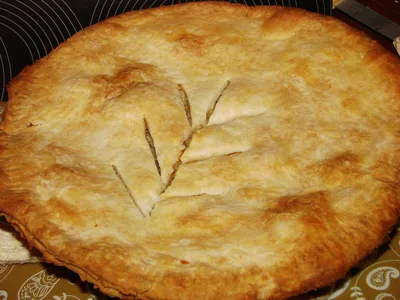
A rustic British-style salmon pie featuring a tender biscuit crust encasing a creamy mashed potato and canned salmon filling with fresh chives and basil. The flaky pastry contrasts beautifully with the smooth, buttery potato interior studded with flaked salmon. Serve warm as a comforting weeknight dinner or casual supper. This version uses pantry staples and canned salmon for convenience while maintaining homemade pastry, making it accessible without sacrificing texture or flavor.
No ratings yet — be the first
Ingredients
- 4 cup all-purpose flour, for doughgluten-free blend1:1gluten-freegluten-free
may require binder adjustment
- 2 teaspoon baking powder
- ½ teaspoon baking soda
- ½ teaspoon salt
- ½ cup shortening or lard
- 1 cup water, for dough
- 1 cup all-purpose flour, for rolling out doughgluten-free blend1:1gluten-freegluten-free
may require binder adjustment
- 1 can (213g) salmon, drained and de-boned
- 8 small potatoes, boiled or steamed
- ¼ cup butter or margarine, or 1/2 cup, to taste
- 1 cup evaporated milk or water, or less, adjusted for consistency
- ¼ cup fresh chives, finely chopped
- 2 teaspoon dried basil
- salt and pepper, to taste
Method
18 steps- 1
Mix flour, baking powder, baking soda, and salt in a large bowl.
- 2
Cut in shortening until mixture resembles coarse meal using pastry cutter, knives, or fork.
- 3
Add water gradually while mixing with fork or hands until slightly sticky.
- 4
Roll dough on floured surface and knead until smooth.
- 5
Divide dough in half, shape into balls, and chill until needed.
- 6
Boil or steam potatoes until fork-tender; drain.
- 7
Drain and de-bone canned salmon, removing all soft bones.
- 8
Cream cooked potatoes with hand mixer.
- 9
Add butter to potatoes and cream together until melted and distributed evenly.
- 10
Add milk gradually, half cup at a time, until potatoes reach smooth, creamy consistency.
- 11
Fold in salmon, chives, basil, salt, and pepper; mix until combined and taste for seasoning.
- 12
Roll first dough ball large enough for 13x9x2-inch pan bottom and sides.
- 13
Line pan with dough and fill evenly with salmon-potato mixture.
- 14
Roll second dough ball and place atop filling.
- 15
Trim excess dough and seal edges by pressing together.
- 16
Cut decorative incisions in top crust using parallel lines or cross pattern.
- 17
Bake at 400F on middle rack until browned on top and bottom.
- 18
Serve warm, topped with melted butter and salt and pepper if desired.
Tips
De-bone salmon thoroughly before mixing into filling; even soft bones detract from texture. Drain canned salmon well to avoid excess liquid in filling.
Control potato consistency by adding milk gradually. If too thick, add more milk; if too thin, it will soak into crust. Aim for stiff mashed potato texture.
Chill dough before rolling to prevent sticking and ensure flaky pastry; work quickly with chilled dough for best texture.
Good to Know
Cover cooled pie and refrigerate up to 3 days. Reheat covered in 350F oven until warmed through.
Prepare dough balls up to 2 days ahead; wrap tightly and refrigerate. Prepare filling and assemble day-of for best crust texture.
Serve warm with melted butter and extra salt and pepper at table. Pairs well with steamed peas or a simple green salad.
Common Mistakes
Do not skip de-boning salmon to avoid unpleasant bone texture in filling.
Do not overwork dough after adding water to avoid tough, dense pastry.
Do not add milk too quickly to potatoes to avoid watery filling that soaks into crust.
Substitutions
Vegan Options
Gluten-Free Swaps
may require binder adjustment
General Alternatives
improved flavor and texture
FAQ
Can I use fresh salmon instead of canned?
Yes. Use about 1.5 cups cooked flaked salmon. The pie will have better texture and more delicate flavor, though canned is convenient and traditional.
What if my potato filling is too thick or too thin?
Too thick: add milk by tablespoon until creamy. Too thin: spread on baking sheet to cool and firm up, or mix in a bit of mashed potato powder.
How long can I keep leftover pie?
Refrigerate covered up to 3 days. Reheat covered at 350F until warm. Freezing not recommended due to pastry texture degradation.