American Recipes
5,721 recipes
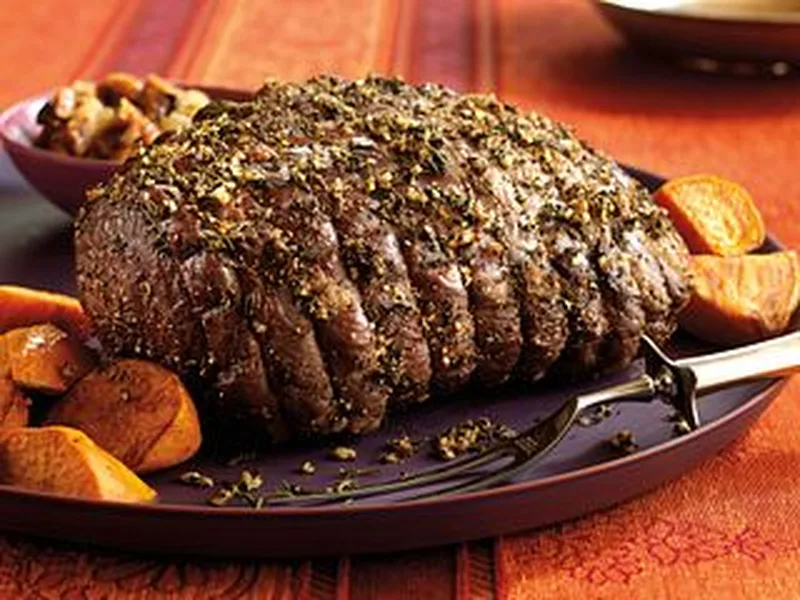
Herb-Crusted Sirloin with Fig-Onion Relish
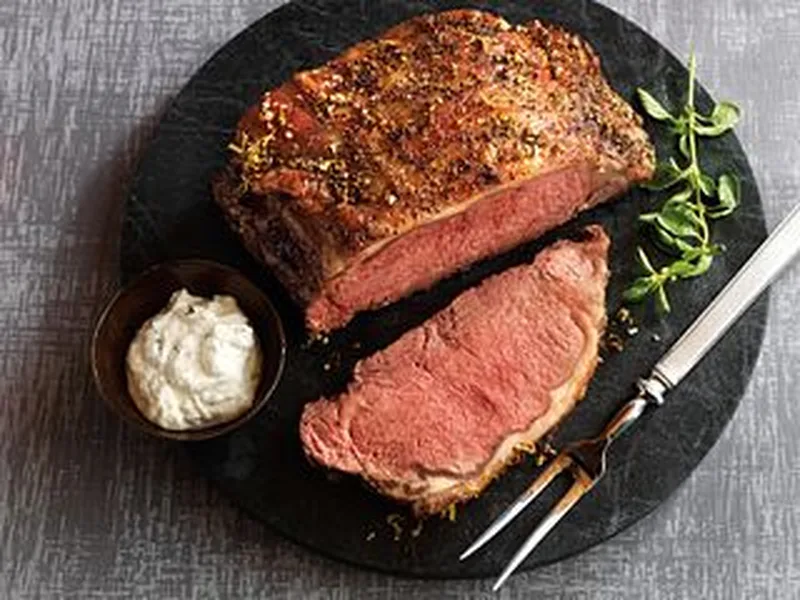
Lemon-Garlic Strip Roast with Horseradish-Oregano Sauce
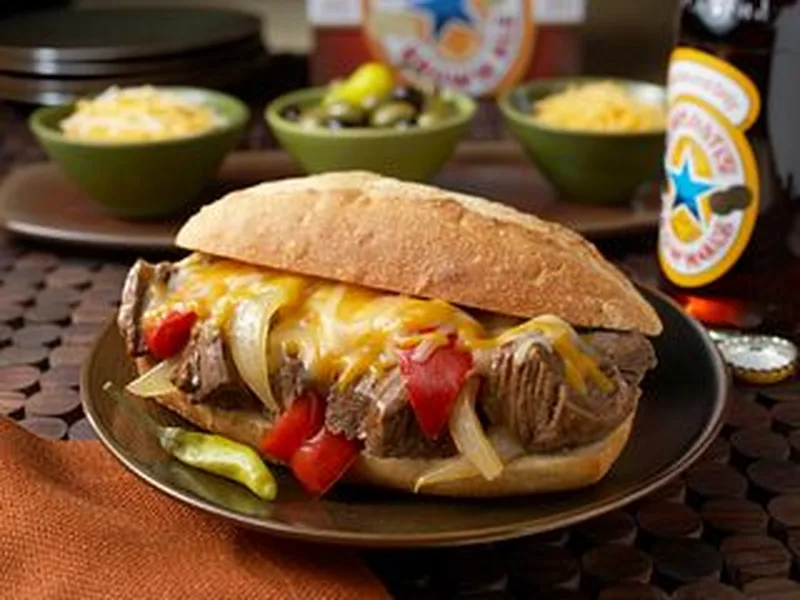
Slow Cooker Beef & Pepper Sandwiches with Au Jus
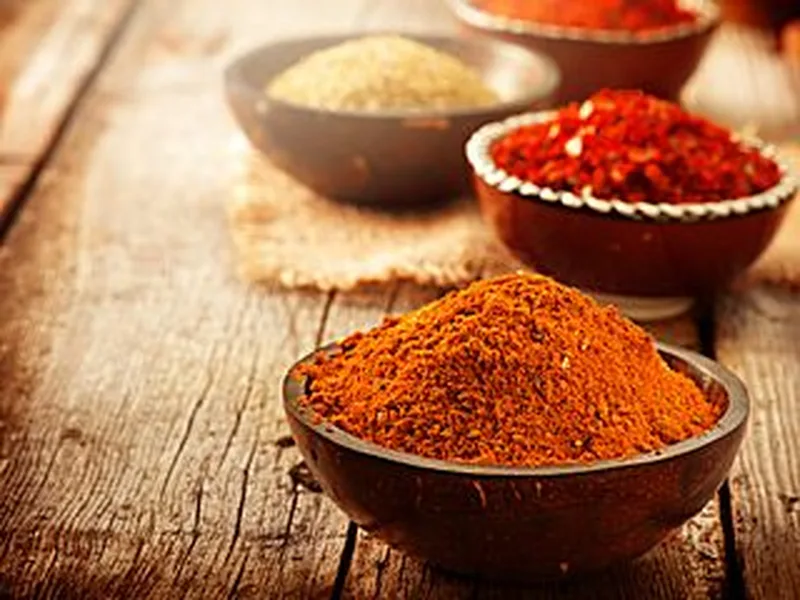
Cowboy Steak and Roast Seasoning Rub with Paprika and Herbs
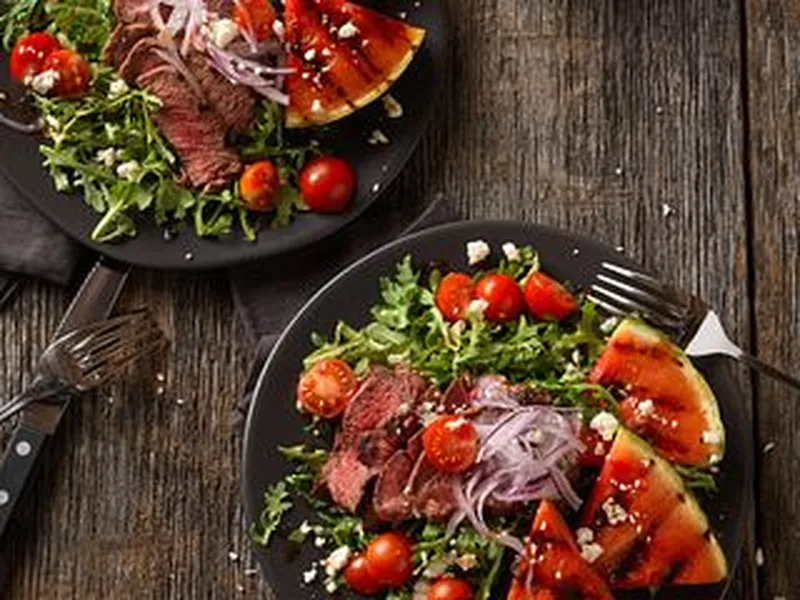
Grilled Beef Tenderloin and Watermelon Salad with Arugula
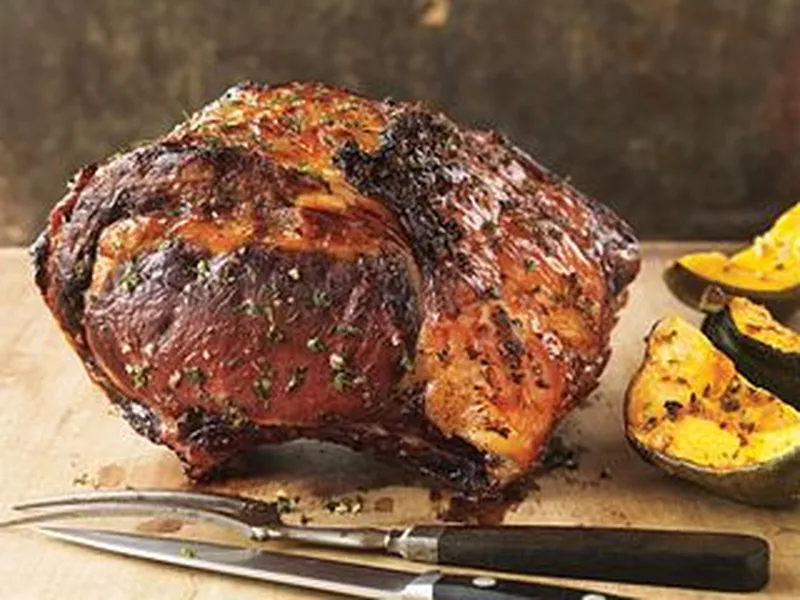
Maple-Glazed Bone-In Rib Roast with Roasted Acorn Squash
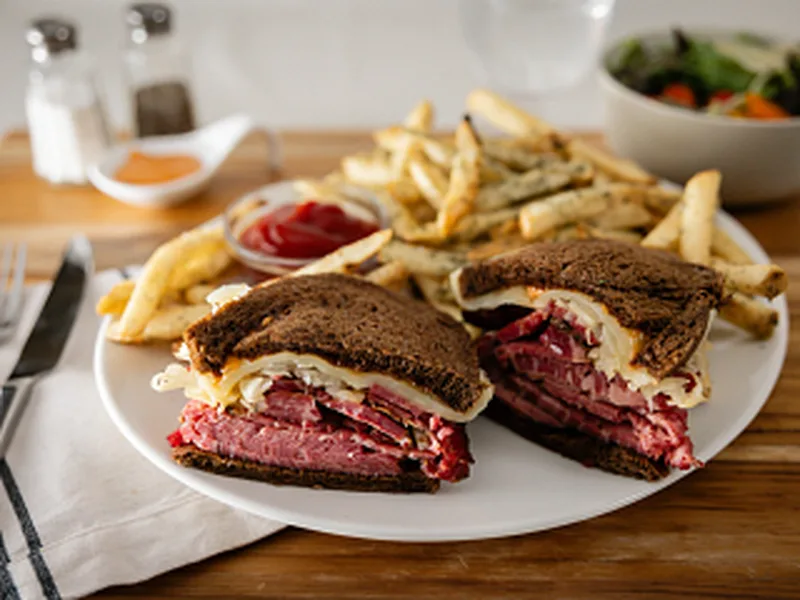
Classic Beef Reuben Sandwich with Homemade Dressing
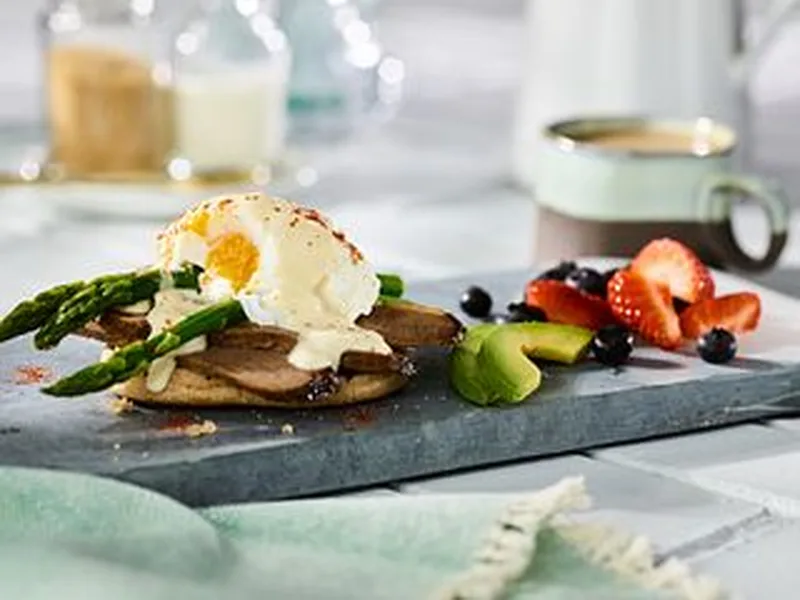
Smoked Beef Brisket Benedict with Steamed Asparagus
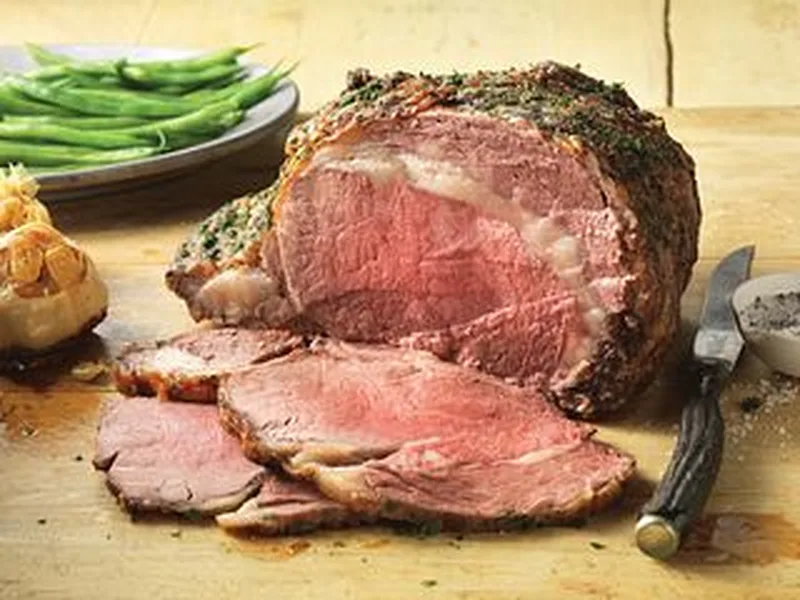
Peppered Ribeye Roast with Roasted Garlic Sauce
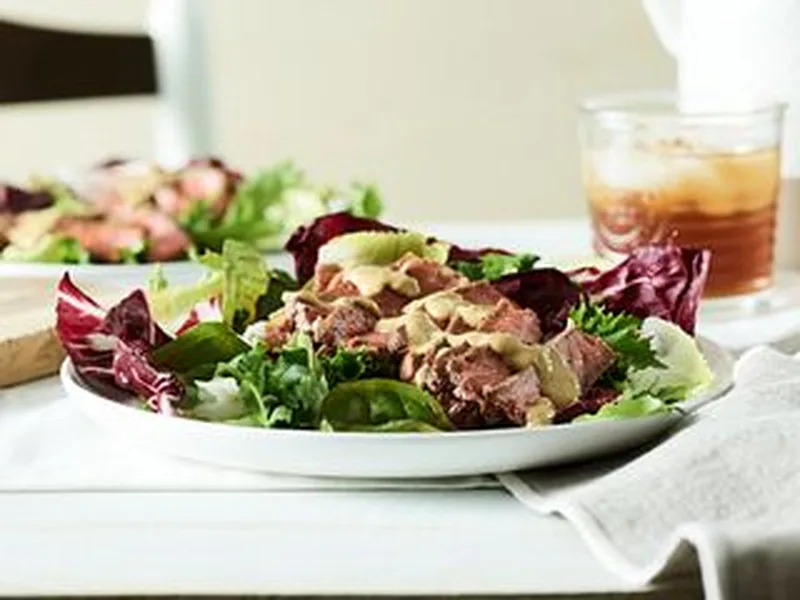
Smoked Strip Steaks with Blue Cheese-Wine Sauce
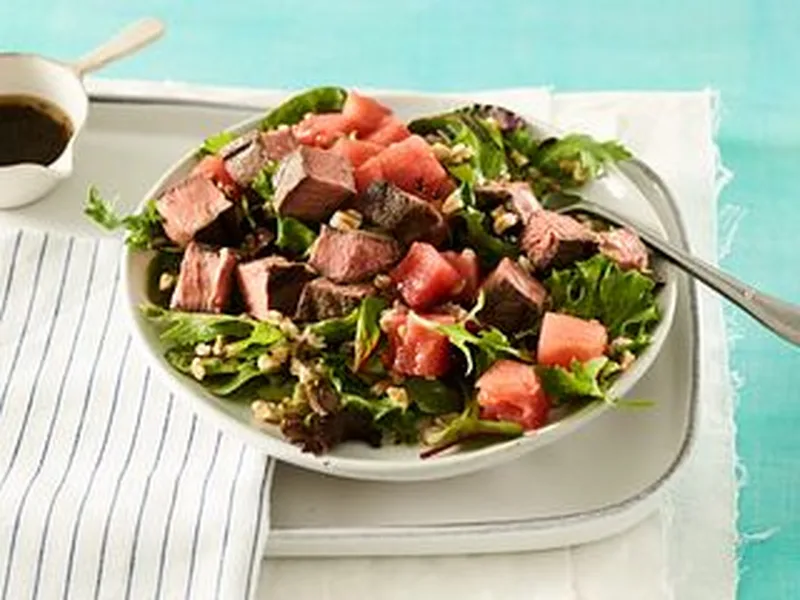
Sous Vide Top Sirloin with Farro and Compressed Watermelon
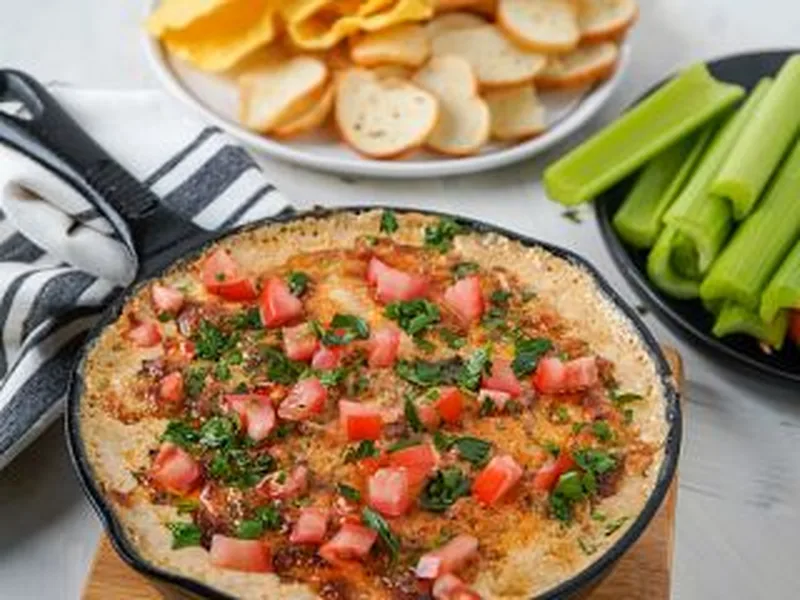
Cheesy Bourbon Hot Brown Skillet Dip with Roast Beef
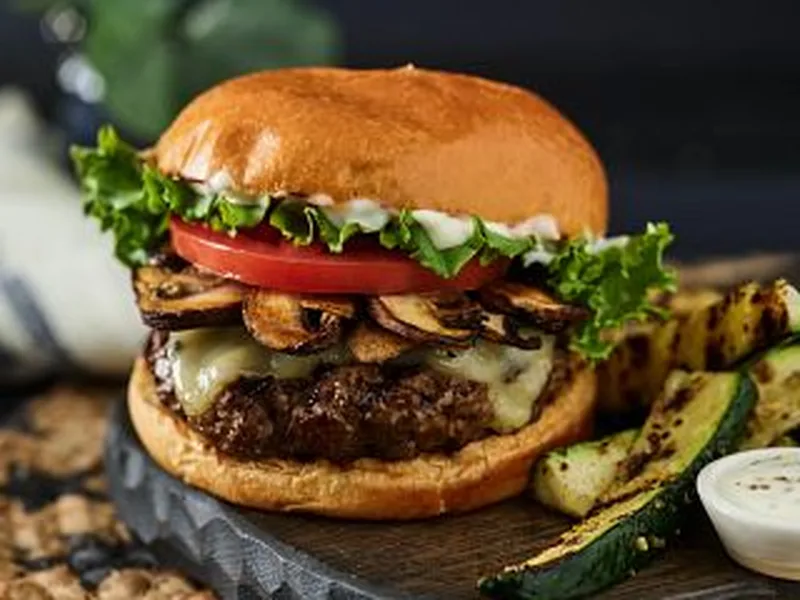
Grilled Mushroom Swiss Burger with Jalapeno Aioli
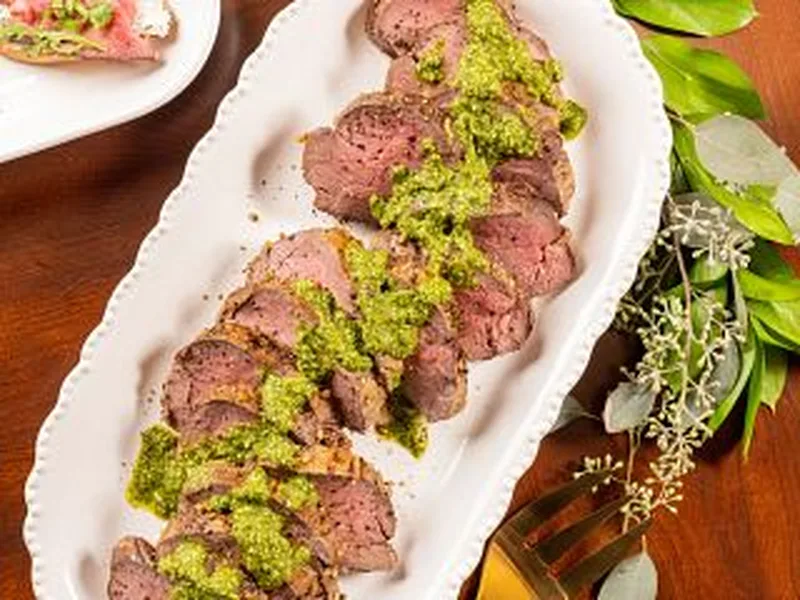
Garlic Roasted Tenderloin with Lemon Parmesan Gremolata
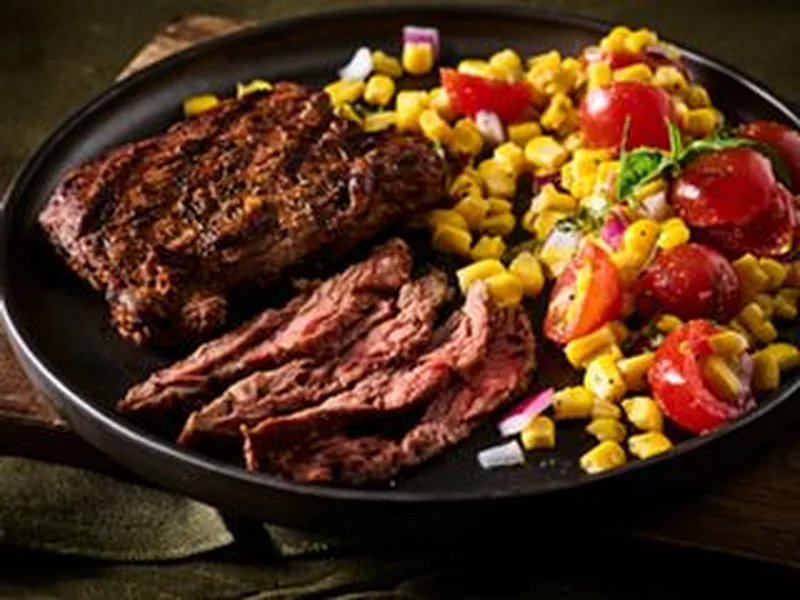
Cowboy Marinated Skirt Steak with Corn Salad
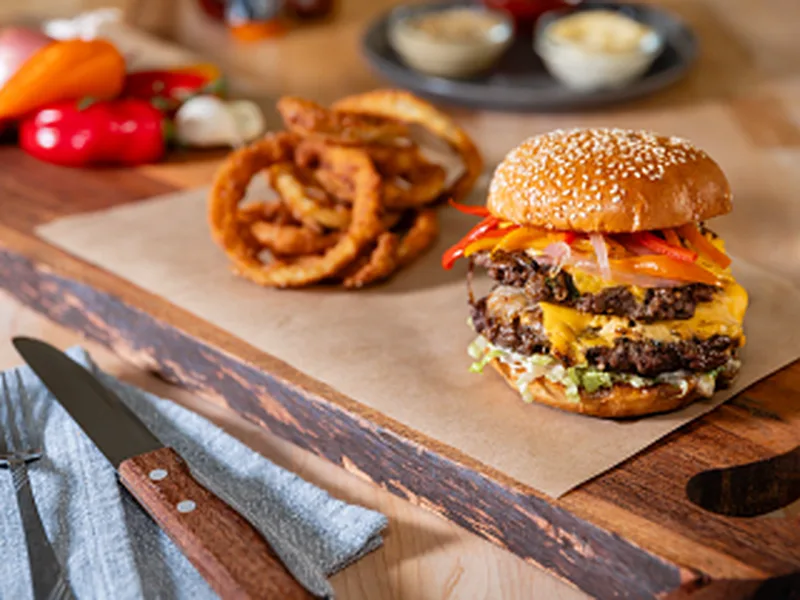
Smashed Beef Burgers with Caramelized Shallots and Garlic Mayo
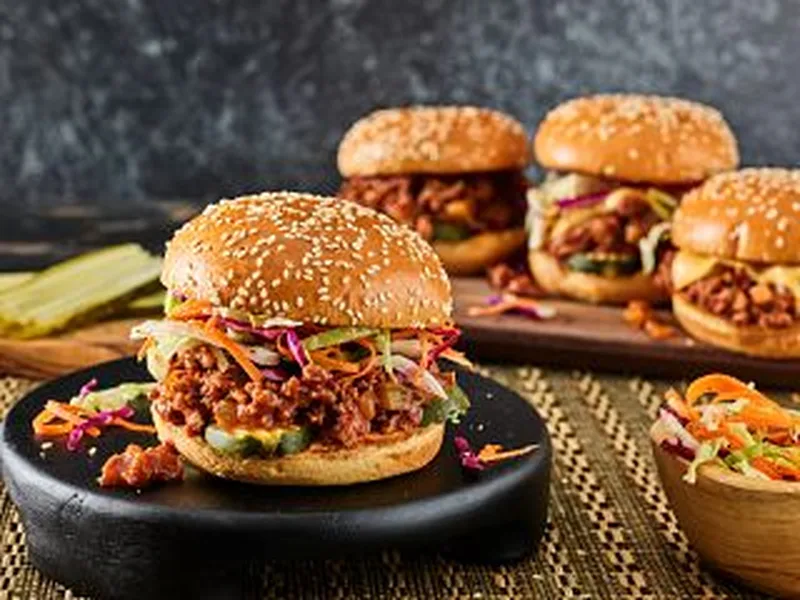
Ground Beef Sloppy Joes Five Flavor Variations
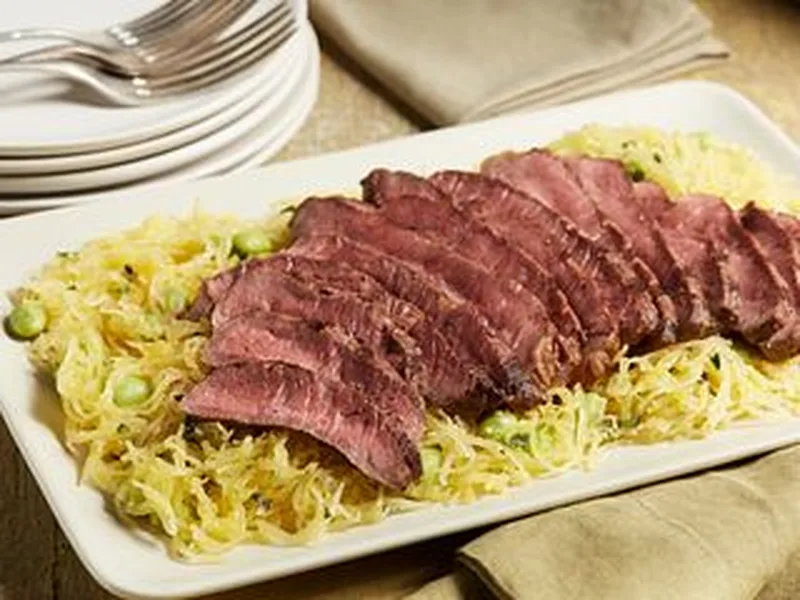
Grilled Sirloin with Spaghetti Squash and Edamame
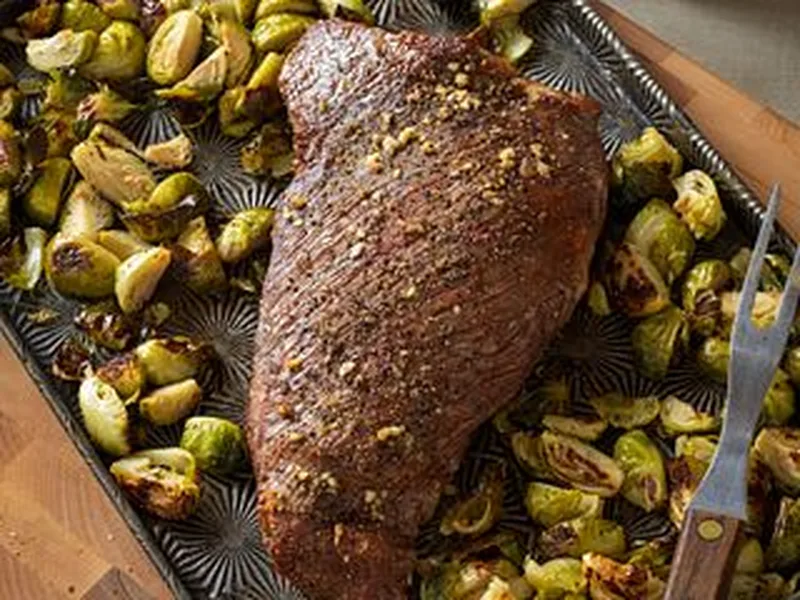
One Pan Roasted Beef Tri-Tip with Crispy Brussels Sprouts
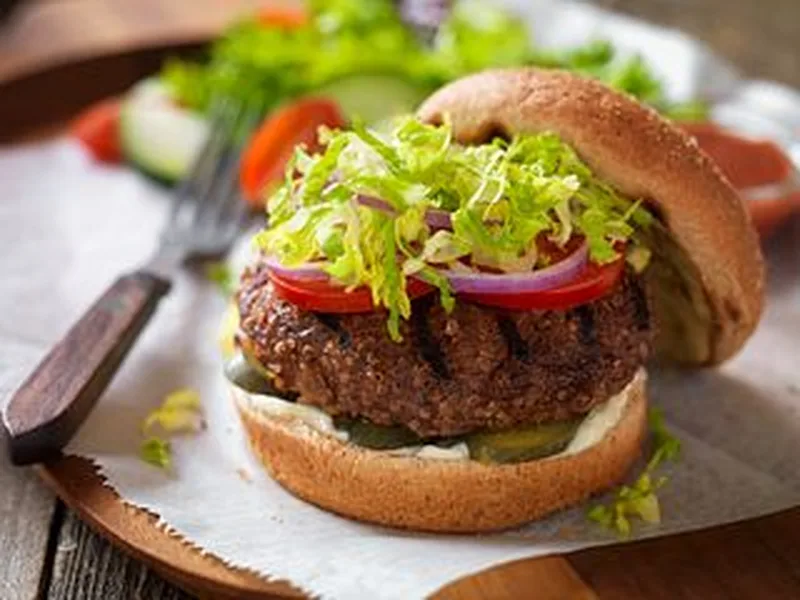
Grilled Beef and Quinoa Burgers
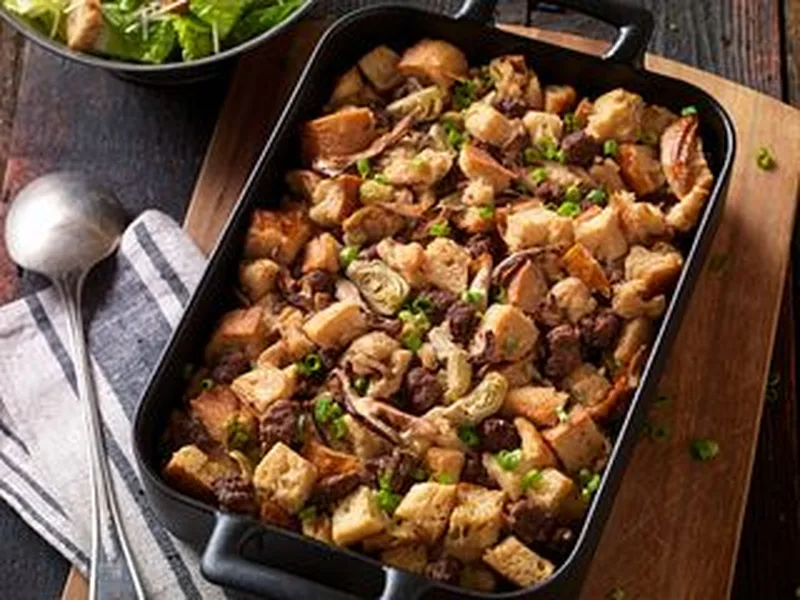
Beef Sausage Wild Mushroom Bread Pudding
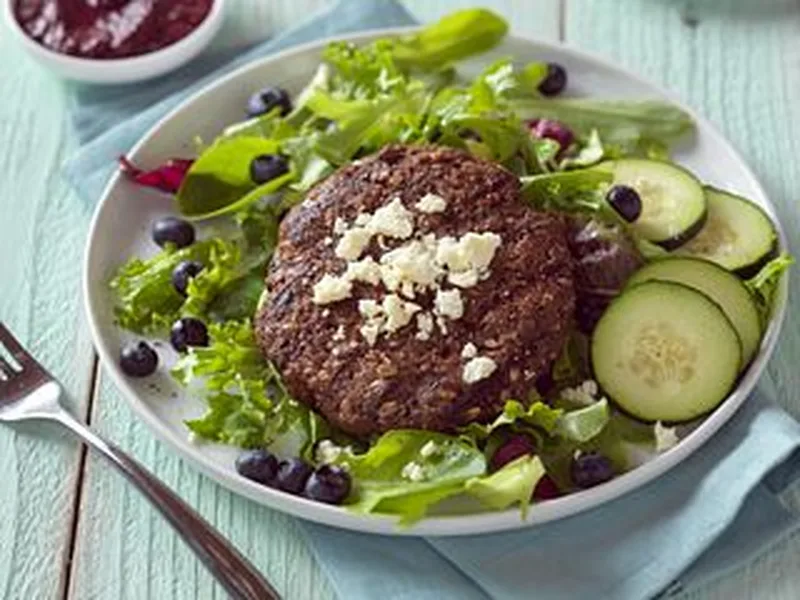
Blueberry Beef Burgers with Flax and Feta
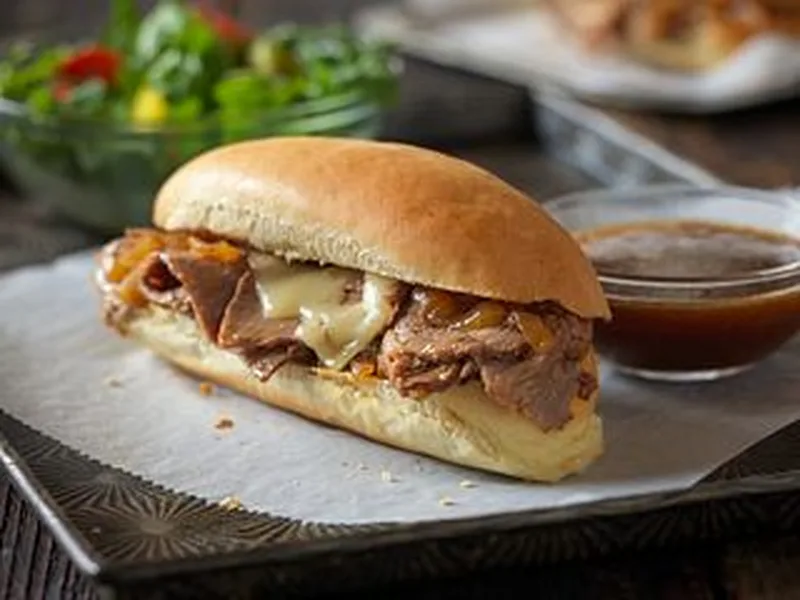
Slow-Cooked Beef Brisket French Dip Sandwiches
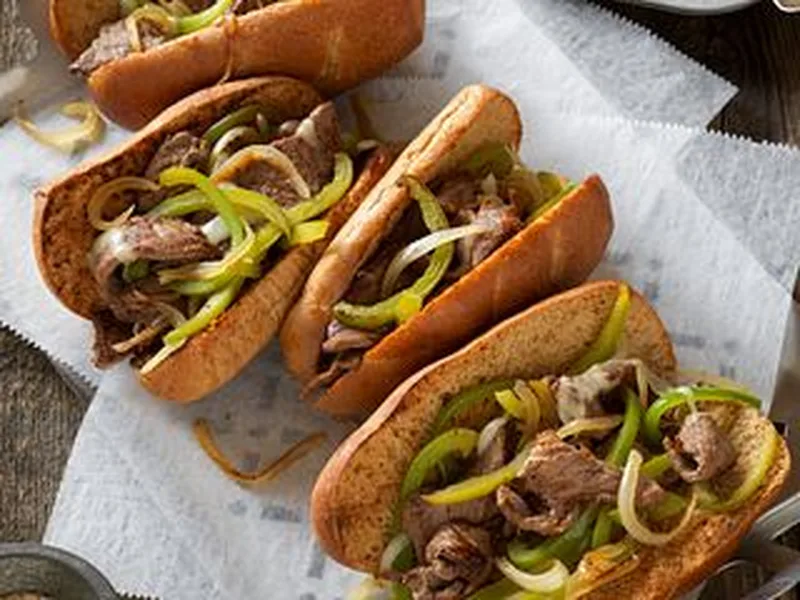
Pan-Seared Philly Beef Cheesesteak with Melted Provolone
American cooking draws from every corner of the world. German immigrants brought bratwurst. Italians taught us marinara. Chinese takeout became General Tso's chicken.
Think beyond burgers. Jambalaya simmers rice with andouille sausage at 325F for 45 minutes. New England clam chowder starts with salt pork rendered until crispy. Texas chili uses zero beans and 3 pounds of chuck roast per batch.
Most American recipes rely on the oven. Set it between 350F and 425F for nearly everything. Cast iron skillets go from stovetop to oven without thinking twice. Sheet pans handle 80% of weeknight dinners.
The pantry matters. Stock all-purpose flour, kosher salt, unsalted butter, and neutral oils like canola. Keep brown sugar, baking soda, and vanilla extract for cookies. Buy garlic powder and onion powder in bulk.
Regions define themselves through food. Louisiana builds flavor with the holy trinity: onions, celery, bell peppers in a 2:1:1 ratio. Kansas City slathers ribs in molasses-based sauce. Maine serves lobster rolls two ways: hot with butter or cold with mayo.
American breakfast deserves its own cookbook. Pancakes need buttermilk for tang and lift. Biscuits require cold butter cut into flour until pea-sized. Hash browns crisp best when potatoes soak in cold water for 20 minutes first.
Desserts lean sweet. Apple pie needs 6 cups of sliced Granny Smiths. Chocolate chip cookies improve with 36 hours of dough rest in the fridge. Cheesecake bakes in a water bath at 325F to prevent cracks.
This is food for feeding people. Casseroles stretch budgets. Slow cookers work while you're gone. Sheet pan dinners minimize dishes.
Forget fancy. American cooking values flavor over presentation. A perfectly seared burger beats molecular gastronomy every time.
Essential Ingredients
Key Techniques
FAQ
What oven temperature do most American recipes use?
Set your oven to 350F for 70% of American baking. Cookies need 375F for crispy edges. Roasted vegetables caramelize at 425F. Slow-roasted meats work at 275F to 300F. Pizza cranks up to 500F. Casseroles bubble away at 350F for 45 to 60 minutes. When in doubt, 350F rarely fails.
Which oils work best for different cooking methods?
Canola oil handles high heat up to 450F for frying chicken or searing steaks. Olive oil works under 400F for sautéing vegetables. Butter adds flavor but burns above 350F unless clarified. Vegetable oil stays neutral for baking. Peanut oil deep fries at 375F without smoking. Bacon grease saved in a jar seasons cast iron and flavors greens. Mix butter with oil to raise the smoke point while keeping butter flavor.
How do I convert between salted and unsalted butter?
One stick of salted butter contains 1/4 teaspoon salt. When recipes call for unsalted butter plus salt, reduce added salt by 1/4 teaspoon per stick if using salted butter. For 2 sticks salted butter, cut 1/2 teaspoon from the recipe's salt. Baking needs precision, so unsalted butter gives better control. Salted butter works fine for sautéing or spreading on bread.
What defines Midwest versus Southern cooking?
Midwest cooking uses Campbell's cream soups in 50% of casseroles, bakes at 350F for 45 minutes, and tops everything with crushed crackers or fried onions. Southern cooking starts with a roux, adds the trinity of vegetables, and simmers low for 2 to 3 hours. Midwest browns ground beef first. The South renders bacon or salt pork for fat. Both love cheese, but the Midwest grates mild cheddar while the South crumbles sharp white cheddar.