Asian Recipes
131 recipes
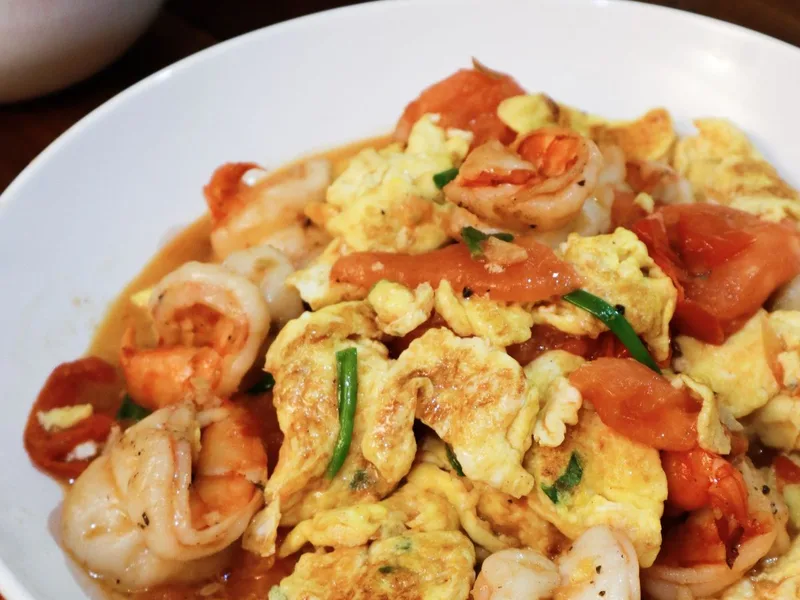
Chinese-Style Wok Scrambled Eggs with Tomatoes and Shrimp
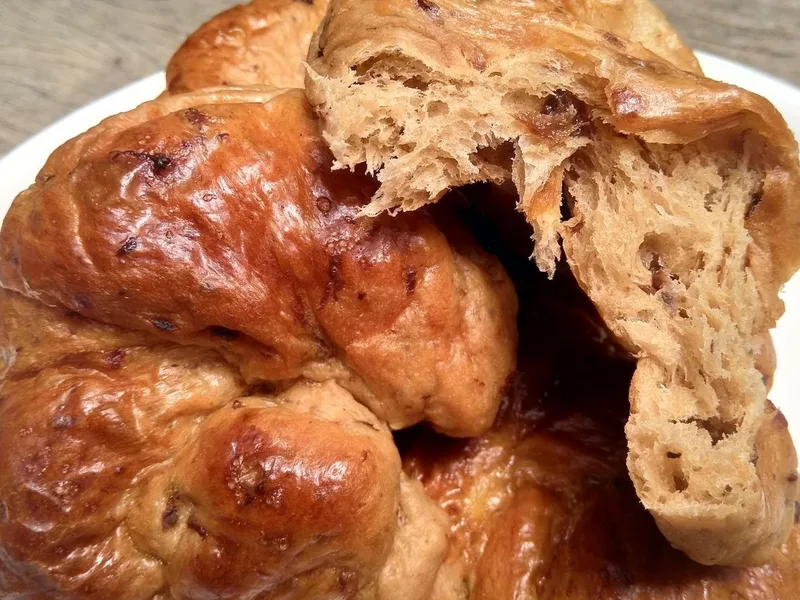
Soft Raisin Buns with Stand Mixer
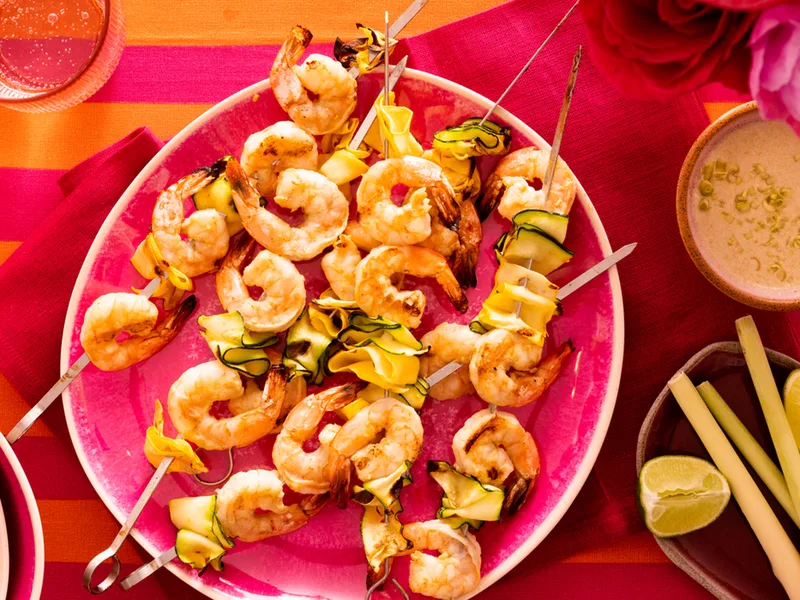
Grilled Lemongrass Shrimp and Summer Squash Skewers
Gluten-Free Black Eyed Pea Ramen Bowl
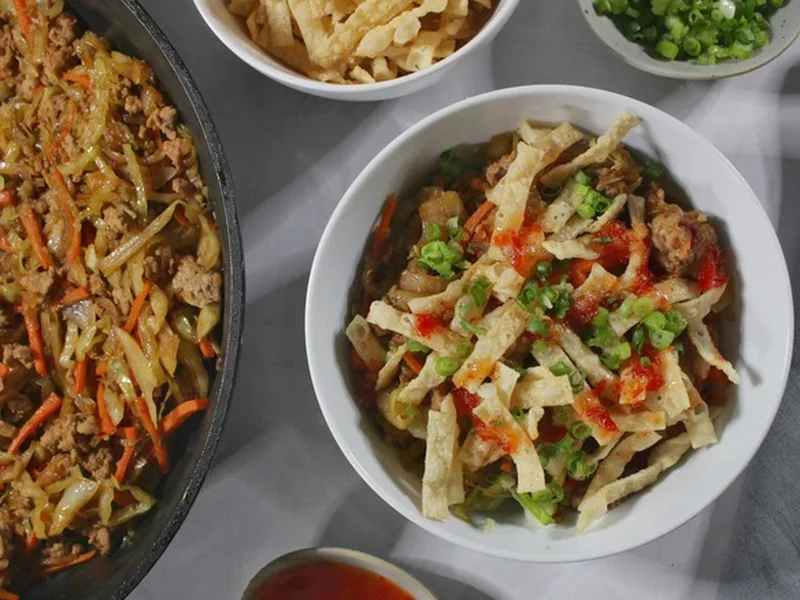
Deconstructed Egg Roll in a Bowl with Pork
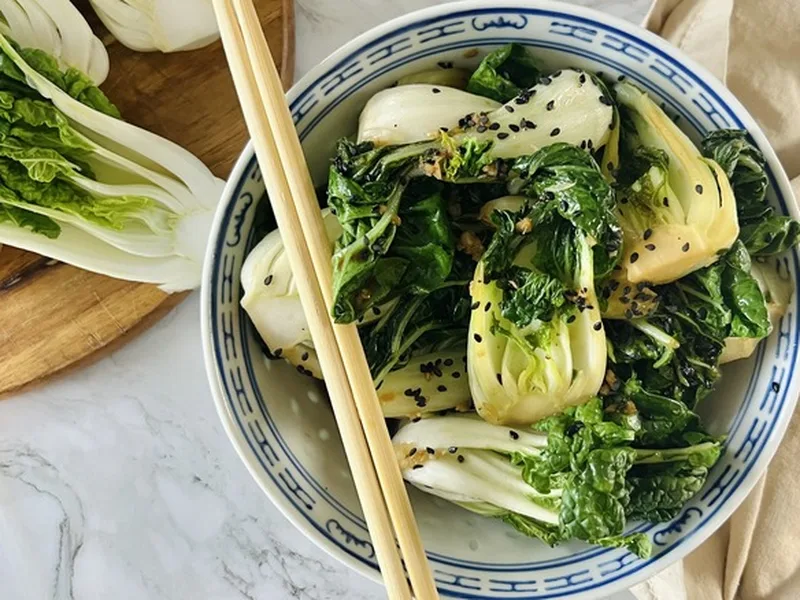
Quick Sesame Bok Choy Stir-Fry with Garlic
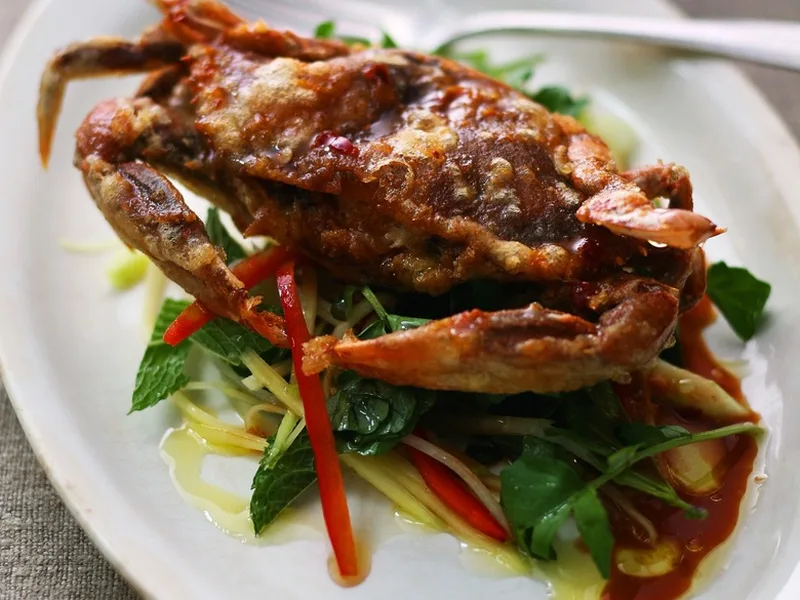
Crispy Beer-Battered Soft-Shell Crabs with Asian Glaze
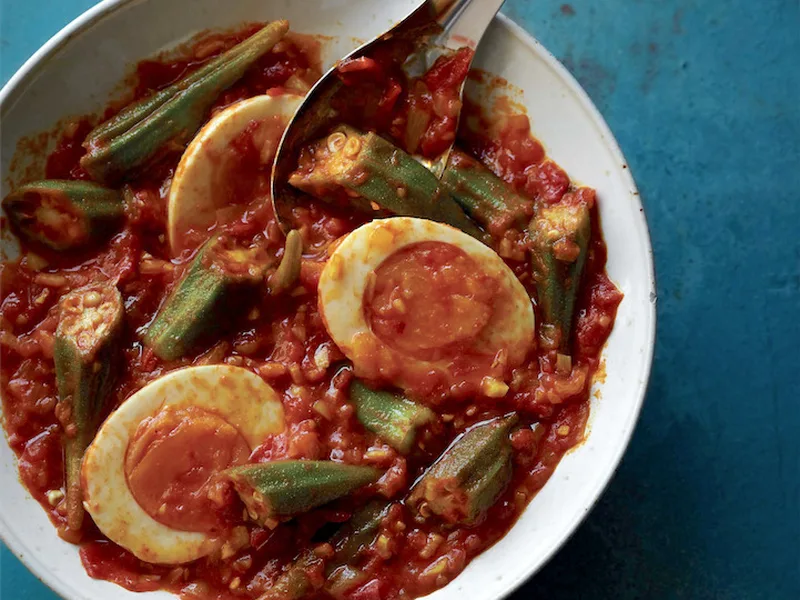
Thai-Style Egg and Okra Curry with Tomatoes and Shallots
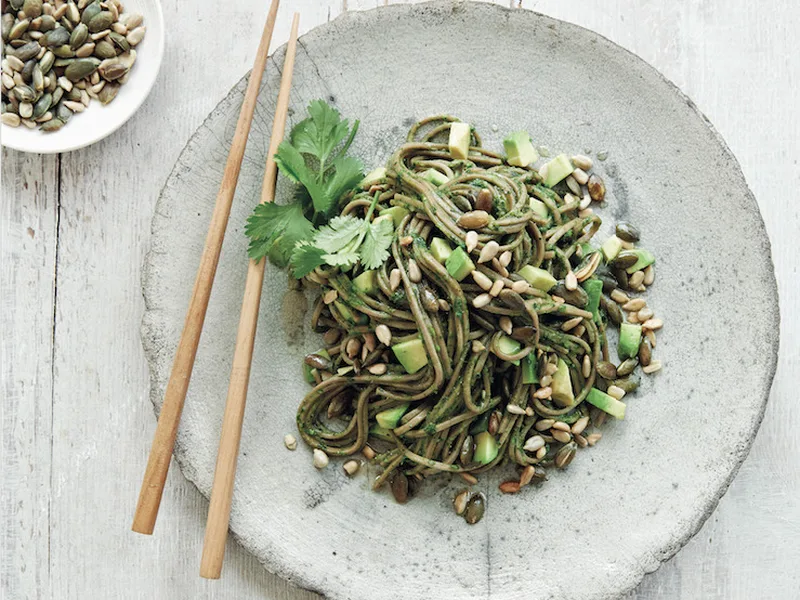
Buckwheat Soba Noodle Salad with Fresh Herb Asian Pesto
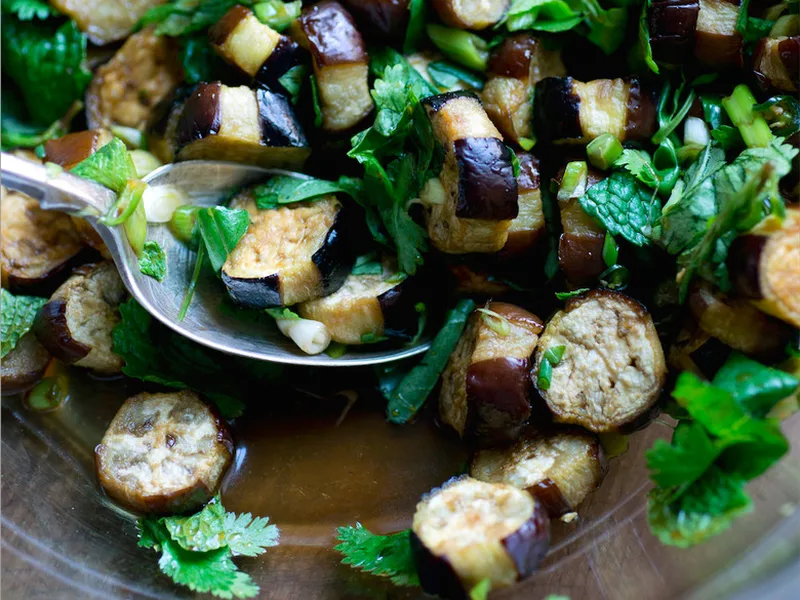
Roasted Japanese Eggplant Salad with Thai Herbs and Lime
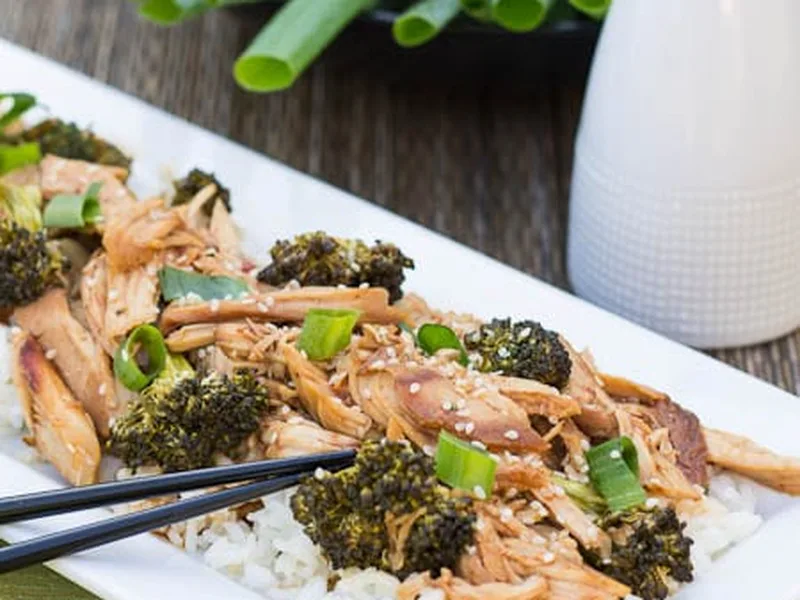
Crockpot Honey Soy Chicken with Broccoli - 4 Hour Recipe
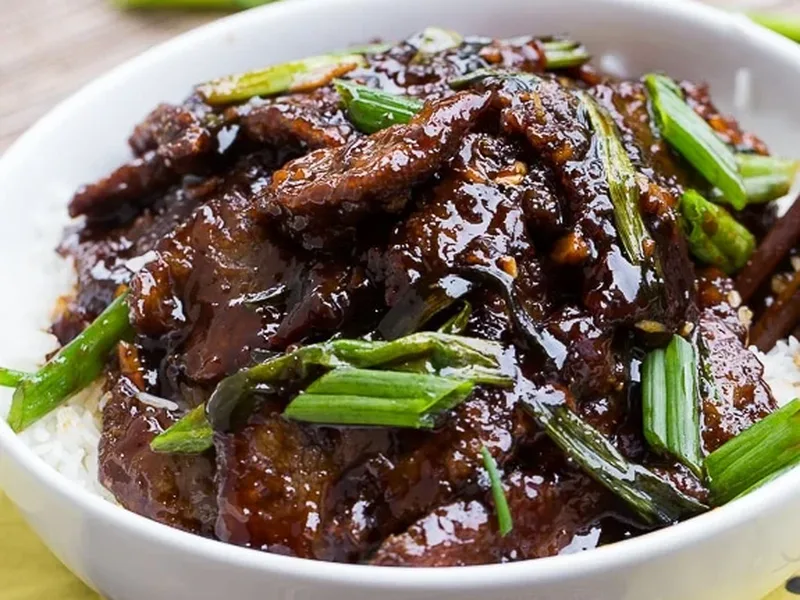
Crispy Mongolian Beef with Sweet Soy Glaze PF Chang's Style
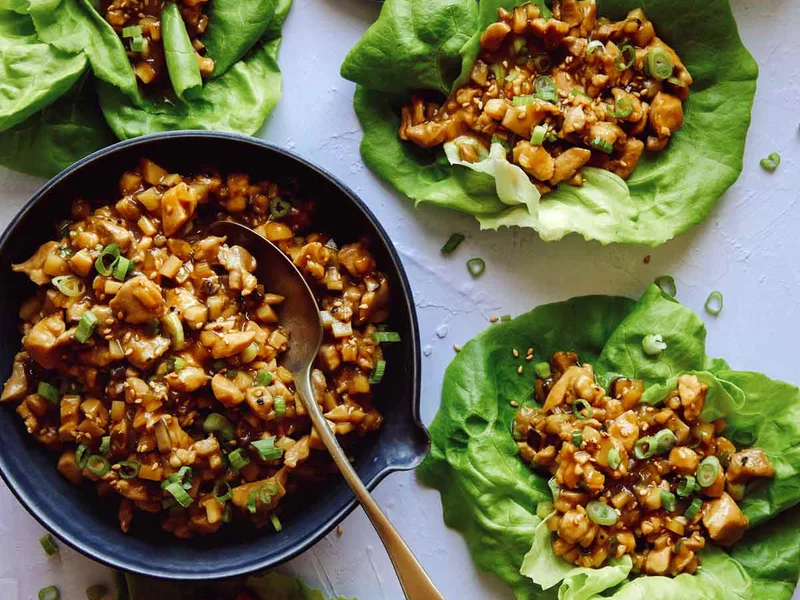
Pan-Seared Chicken Lettuce Wraps with Shiitake
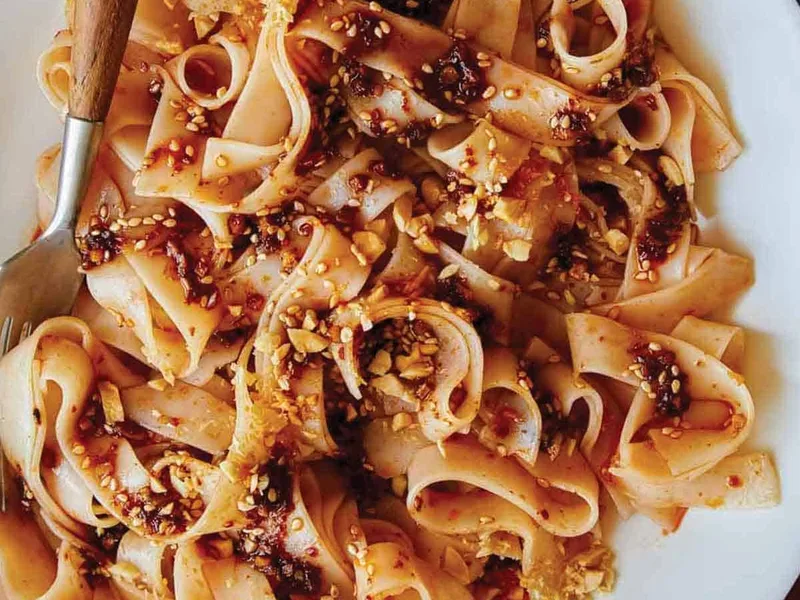
Korean Chile Oil Garlic Rice Noodles with Gochugaru
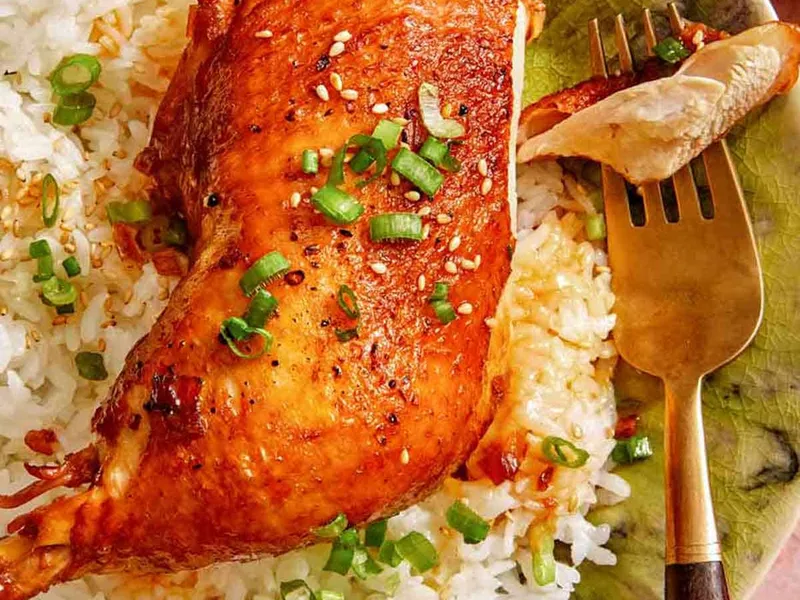
Garlic and Ginger Braised Chicken with Soy Glaze
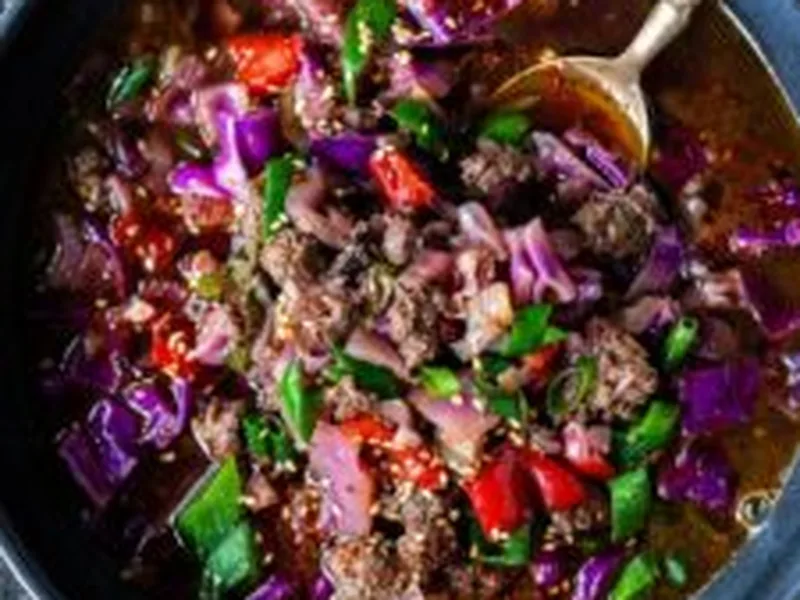
Hot and Sour Ground Meat Cabbage Soup
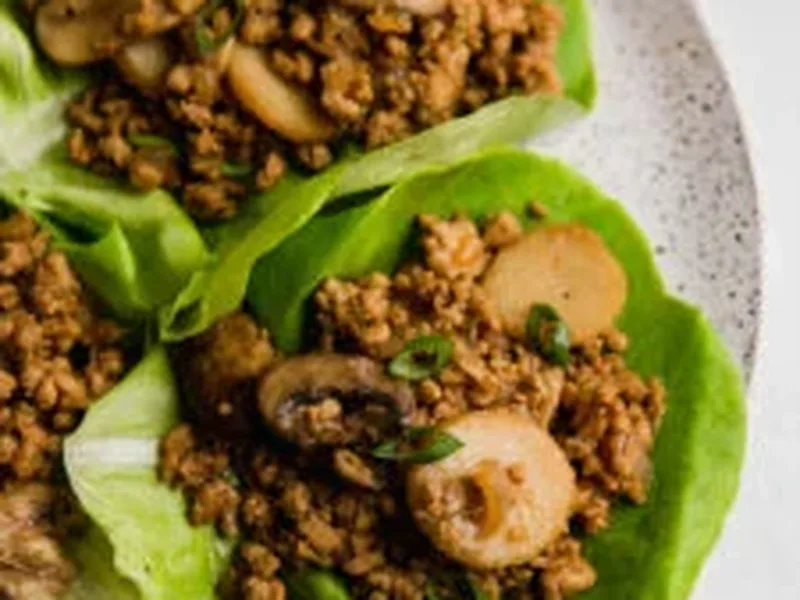
Paleo Chicken Lettuce Wraps with Coconut Aminos Sauce
Mongolian Ground Beef Noodles with Coconut Aminos Sauce
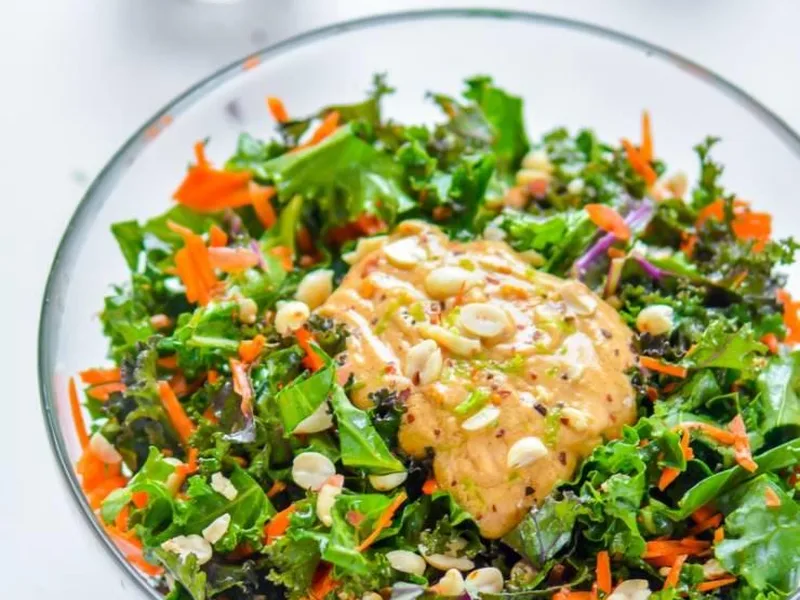
Kale Carrot Salad with Chili Lime Peanut Dressing
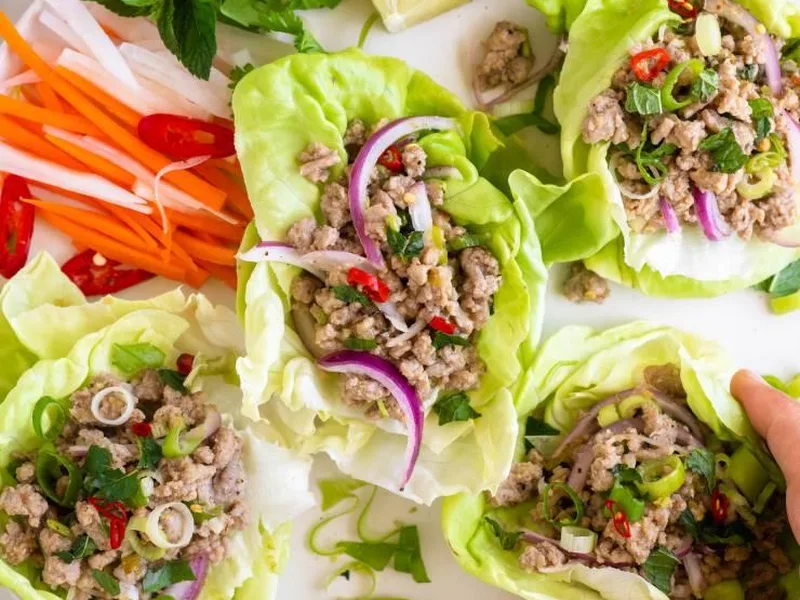
Thai Turkey Larb with Toasted Rice and Lettuce Wraps
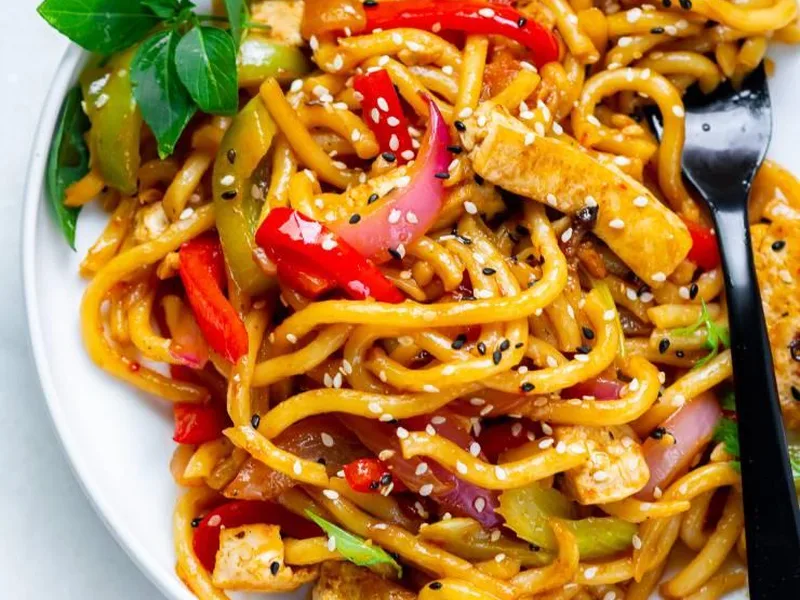
Pan-Fried Tofu Udon Stir Fry with Chili Sambal
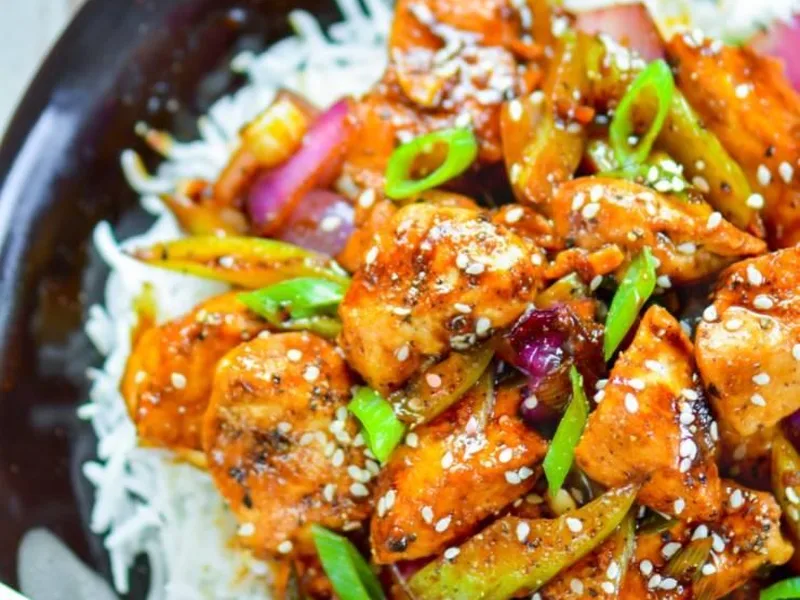
Chinese Black Pepper Chicken Stir-Fry with Silken Marinade
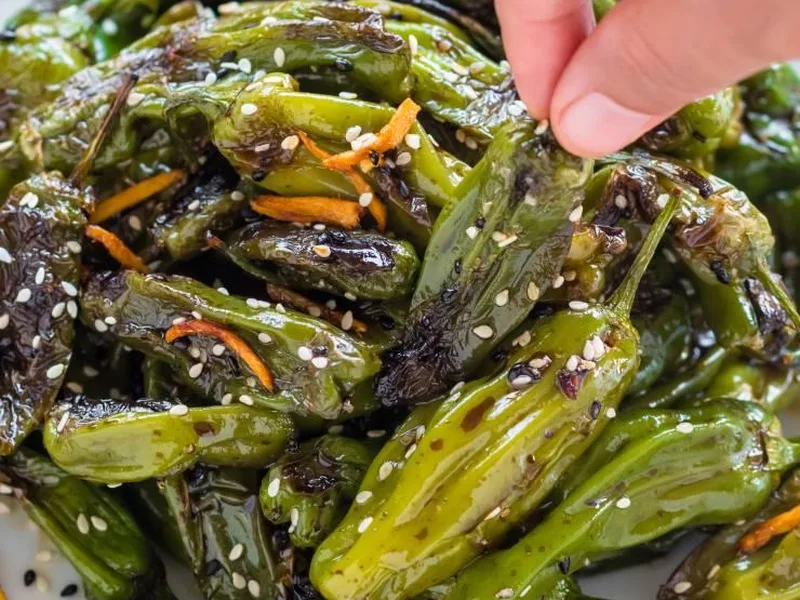
Blistered Shishito Peppers with Soy Ginger Sauce
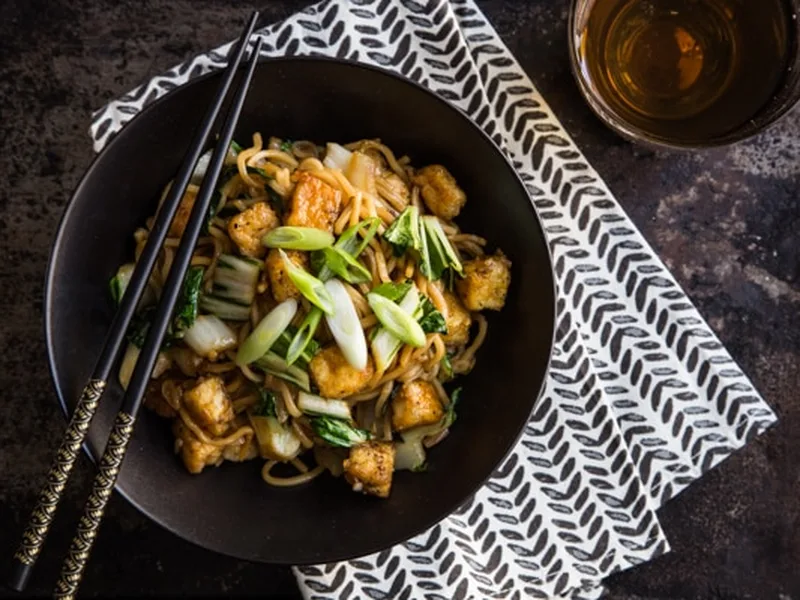
Malaysian Mee Goreng with Crispy Tofu and Fresh Bok Choy
Asian cooking spans thousands of miles and dozens of countries, but the basics stay consistent. Soy sauce, sesame oil, and rice vinegar form the foundation. Most recipes balance salt, sweet, sour, and umami in every bite.
Stir-frying remains the workhorse technique. Heat your wok until it smokes at 500F. Add oil only after the metal gets hot. Toss ingredients constantly for 2-3 minutes max. Everything cooks fast.
Soy sauce comes in light and dark varieties. Light soy sauce adds salt without changing color. Dark soy sauce brings sweetness and turns dishes mahogany brown. Most home cooks need only light soy sauce to start. Buy Kikkoman or Pearl River Bridge brands for consistent quality.
Fish sauce smells terrible in the bottle but transforms dishes. One tablespoon replaces salt in most recipes. Thai, Vietnamese, and Filipino dishes rely on it heavily. Red Boat and Three Crabs brands work best.
Rice forms the base for 80% of Asian meals. Short-grain rice sticks together for sushi and Korean dishes. Long-grain jasmine rice stays fluffy for Thai curries. Medium-grain rice works for everything else. Cook rice with a 1:1.5 ratio of rice to water for perfect results.
Marinades need time. Soy sauce, garlic, and ginger penetrate meat in 30 minutes minimum. Overnight works better. Add 1 tablespoon cornstarch per pound of meat to create the velvety texture you find in restaurants.
Fresh ginger beats powdered every time. Peel it with a spoon edge. Freeze whole roots for up to 6 months. Grate frozen ginger directly into dishes.
Asian cooking suits busy weeknights perfectly. Prep takes longer than cooking. Chop everything before you turn on heat. Most stir-fries finish in under 5 minutes once you start. Keep sesame oil for finishing dishes, not cooking. Its smoke point of 350F means it burns easily.
Start with fried rice, lo mein, or simple stir-fries. Master the wok hei (breath of the wok) flavor that comes from proper high-heat cooking. Build your pantry slowly. Good soy sauce, sesame oil, and rice vinegar handle 90% of recipes.
Essential Ingredients
Key Techniques
FAQ
What type of rice should I buy?
Jasmine rice works for 80% of Asian recipes. Buy 20-pound bags for best value at $1.50 per pound. Short-grain sushi rice costs more at $3 per pound but sticks properly for Japanese and Korean dishes. Medium-grain CalRose handles everything adequately. Skip instant rice completely. Store rice in airtight containers to prevent bugs.
Do I really need a wok?
A 14-inch carbon steel wok costs $30 and improves stir-fries dramatically. Season it like cast iron. Heat distribution beats any Western pan. However, a 12-inch skillet works for beginners. Just cook in smaller batches and crank heat to maximum. Gas stoves reach 15,000 BTUs, while electric tops at 2,400 watts. Woks perform better on gas.
How do I stop everything from sticking?
Heat your pan until water droplets dance and evaporate in 2 seconds. Add oil only after this point. Use 2-3 tablespoons oil per stir-fry, not 1 teaspoon. Keep ingredients moving constantly. Crowding drops temperature below 400F and causes sticking. Cook proteins separately from vegetables. Most sticking happens in the first 30 seconds.
Which soy sauce brand should I buy?
Kikkoman costs $3.50 per bottle and works for Japanese dishes. Pearl River Bridge Superior Light at $2 handles Chinese cooking better. San-J tamari works for gluten-free needs at $5. Avoid La Choy completely. Dark soy sauce from any brand adds color and sweetness. Start with one good light soy sauce. Add others as you specialize.