Brazilian Recipes
3 recipes

Brazilian Creamy Cheese Spread (Requeijão Cremoso)

Brazilian Cheese Buns with Tapioca Starch
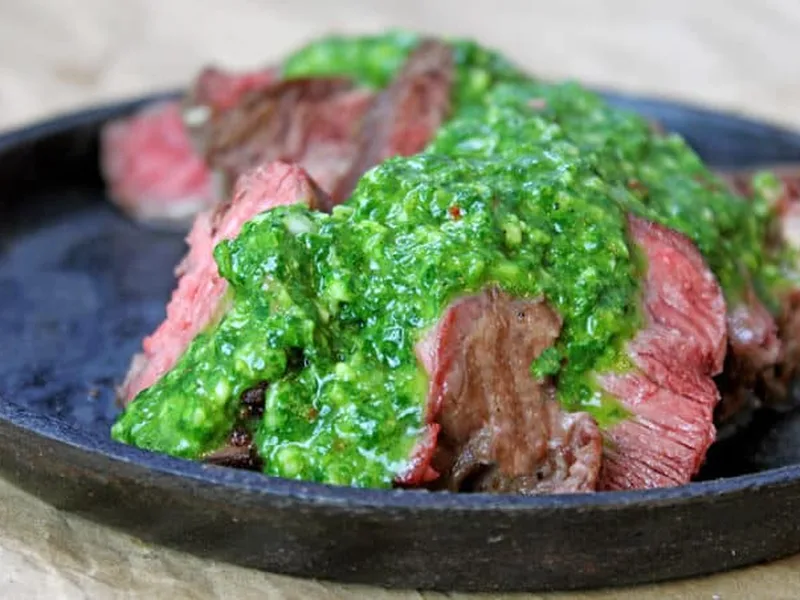
Perfect Cast Iron Ribeye with Fresh Chimichurri Sauce
Brazilian cooking runs on cassava flour and sweetened condensed milk. Two ingredients that show up everywhere.
You'll find tapioca flour in pão de queijo, those addictive cheese breads that puff up at 450F. You'll pour condensed milk into brigadeiros, the chocolate truffles rolled in sprinkles that appear at every birthday party. Brazilian home cooks keep both in stock like Americans keep flour and sugar.
The recipes split into two camps. Savory dishes rely on slow cooking methods. Think feijoada simmering for 3 hours, beans breaking down with pork shoulder and linguiça sausage. Or moqueca bubbling away with coconut milk, dendê oil, and whatever fish looked good at the market. These take time. No shortcuts.
Sweet recipes work faster. Most desserts come together in 20 minutes or less. Pudim de leite needs 5 minutes to mix, then an hour in the oven at 350F in its caramel-lined pan. Beijinho de coco takes 10 minutes on the stove, stirring condensed milk with butter until it pulls away from the pan at 235F.
Brazilians eat their main meal at lunch. Rice, beans, meat, farofa. Dinner stays light. Maybe soup, maybe sandwiches, often just coffee with pão de queijo. This explains why you'll find more dessert recipes than dinner recipes in Brazilian collections. After that heavy lunch, you want something sweet, not another full meal.
The cooking reflects the climate too. Hot weather means less oven use, more stovetop cooking, plenty of no-bake desserts. Why heat the kitchen to 400F when you can make brigadeiros on the stove? When you do bake, it's usually for special occasions. Bolo de fubá for June festivals. Quindim when guests come over.
Start with brigadeiros or pão de queijo. Both teach essential Brazilian techniques. Brigadeiros show you the right consistency for doce de leite desserts. Pão de queijo teaches you to work with tapioca flour, which behaves nothing like wheat flour. Once you master these, the rest makes sense.
Essential Ingredients
Key Techniques
FAQ
Why won't my pão de queijo puff up properly?
Two common problems. First, the liquid must be fully boiling when you pour it over the tapioca flour. Not simmering, actually boiling at 212F. Second, your oven needs to hit 450F before the breads go in. They need that blast of heat in the first 5 minutes to create steam pockets. Also check your tapioca flour isn't old. Fresh flour puffs better.
Can I make brigadeiros without condensed milk?
No good substitute exists. Heavy cream with sugar doesn't thicken the same way. Evaporated milk stays too thin. You need that 40% sugar content in condensed milk to reach the right consistency at 235F. Some recipes use cocoa powder mixed with powdered milk and sugar, but the texture comes out grainy. Just buy the cans.
What's the difference between Brazilian and Mexican beans?
Brazilian beans cook whole and stay saucy. Black beans simmer 2-3 hours with pork, creating thick liquid. Mexican refried beans get mashed and cooked down to paste consistency. Brazilians serve beans over rice, letting the liquid soak in. Also, Brazilian beans include meat chunks. A proper feijoada has 5-6 different pork cuts mixed in.
How do I know when doce de leite is ready?
The mixture reaches 235F-240F on a candy thermometer. Without a thermometer, drop a spoonful in cold water. It should form a soft ball you can pick up. On the stove, properly cooked doce de leite shows the pan bottom for 3-4 seconds when you drag a spoon through. Color turns deep caramel. Total cooking time runs 2-3 hours for homemade, stirring every 15 minutes.