Canadian Recipes
7 recipes
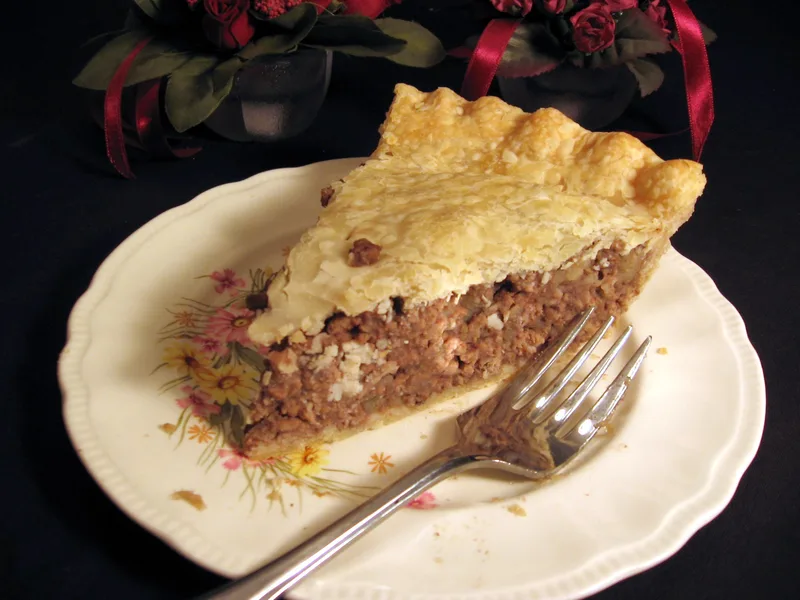
Alice's French Canadian Tourtiere Meat Pie
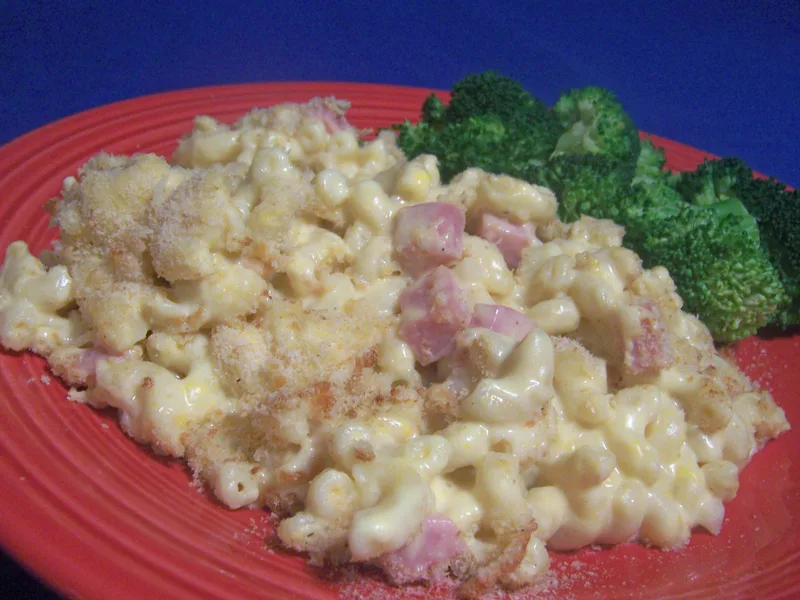
Creamy Ham and Cheddar Mac and Cheese Broil
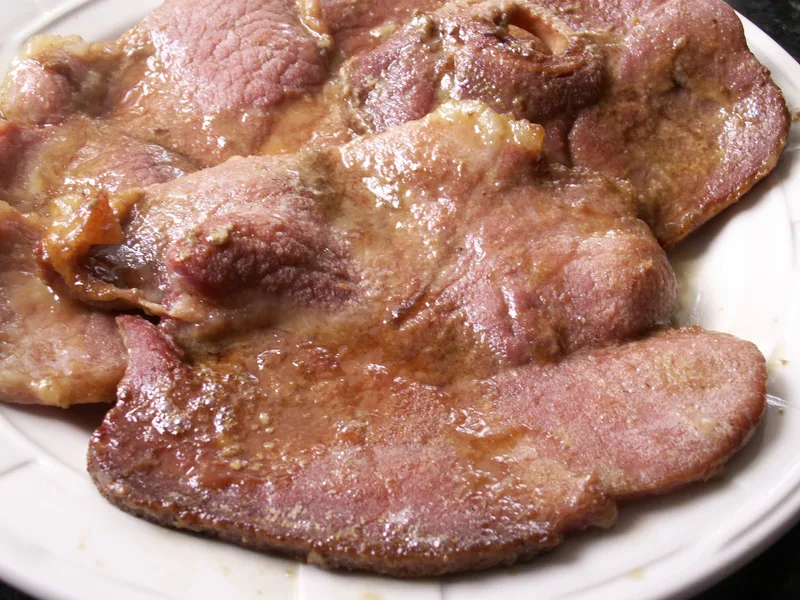
Canadian Glazed Ham with Ginger Ale Brine
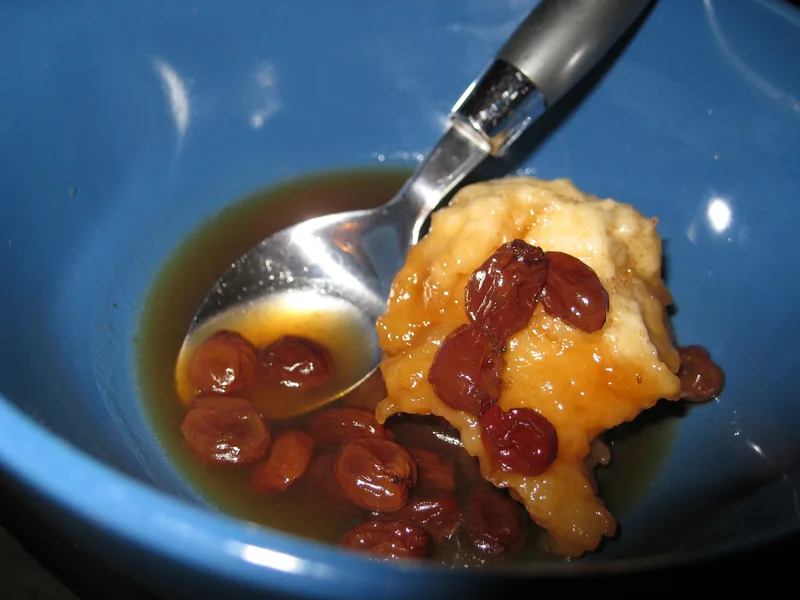
Steamed Pecan Dumplings with Caramel Raisin Sauce
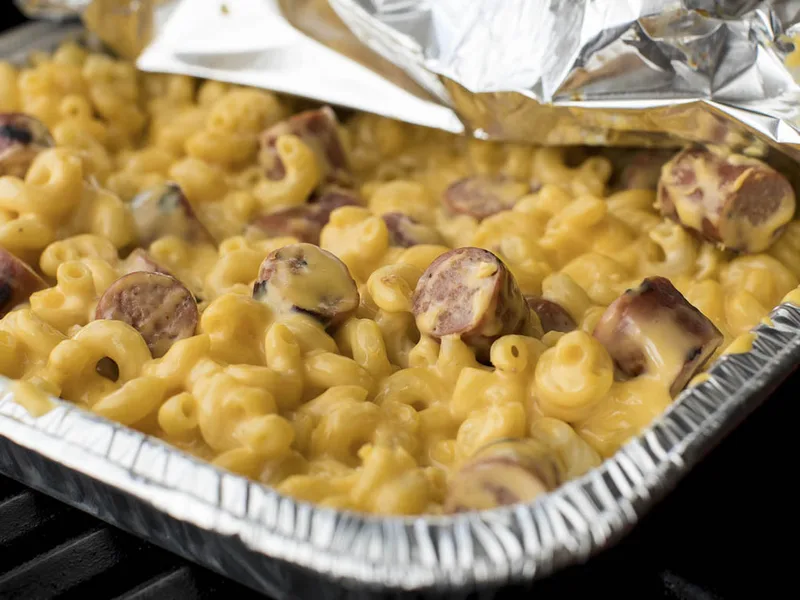
Grilled Montreal Steak Beef Mac and Cheese
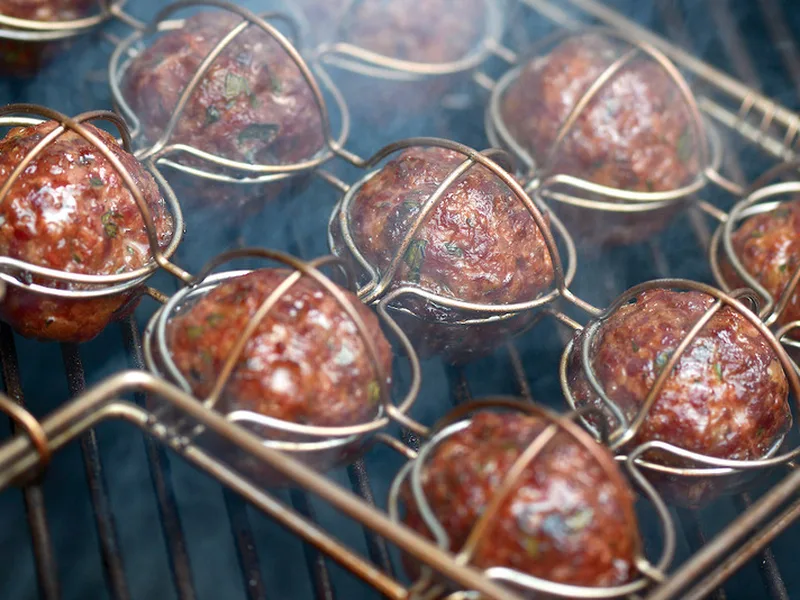
Smoked Montreal Pork Meatballs with Maple-Mustard Sauce

Breakfast Poutine with Hollandaise and Scrambled Eggs
Canadian cooking splits between French tradition and British practicality. Think butter tarts with flaky lard pastry, poutine with cheese curds that squeak, and tourtière packed with ground pork and warming spices.
Montreal brings bagels boiled in honey water before hitting a 500F wood oven. Toronto? Peameal bacon sandwiches. Vancouver serves spot prawns straight from the dock. Prairie provinces rely on Saskatoon berries, wild game, and enough pierogies to feed a hockey team.
Butter shows up everywhere. Pastry needs cold butter cut to pea-sized pieces. Seafood gets a butter bath at 350F. Even the vegetables swim in butter and cream.
Maple syrup isn't just for pancakes. It glazes salmon, sweetens baked beans, and turns into tire d'érable on snow. Grade A amber costs $15-20 per liter. Keep the dark stuff for cooking.
Cheese curds define poutine. Fresh ones squeak between your teeth. Gravy needs beef stock reduced by half, whisked with 3 tablespoons of flour-butter roux. Fries? Cut russets into 1/2-inch sticks, double-fried at 325F then 375F.
Game meats need special handling. Venison dries out past 140F internal temp. Bison burgers cook faster than beef. Wild boar braises for 3 hours minimum.
Bannock adapts to anything. Traditional versions use 2 cups flour to 2 teaspoons baking powder. Modern cooks add dried cranberries or cheddar. Fry it in a cast iron pan with 2 tablespoons of oil at medium heat.
Seasoning stays simple. Salt, pepper, thyme, sage. Montreal steak spice on everything from bagels to roasted vegetables. Newfoundland loves savory where mainland goes sage.
This food feeds families through -40C winters. Hearty portions. Stick-to-your-ribs satisfaction. No fancy plating needed.
Essential Ingredients
Key Techniques
FAQ
What makes poutine gravy different from regular gravy?
Poutine gravy starts with beef stock reduced by 50%, then thickened with a roux of 3 tablespoons each butter and flour. It needs to pour at 180F to properly melt fresh cheese curds without turning them rubbery. Some shops add a splash of vinegar. The consistency should coat a spoon but still flow freely over fries.
Can I substitute regular bacon for peameal bacon?
Not really. Peameal bacon is lean back bacon rolled in cornmeal, containing 5% fat versus regular bacon's 40%. It cooks in 2 minutes per side at 375F and tastes more like ham than bacon. Regular bacon overwhelms dishes designed for peameal's mild flavor. Look for it at Canadian grocery chains or substitute thick-cut deli ham.
What's the right temperature for cooking game meat?
Venison and elk dry out past 140F internal temperature. Bison steaks need 135F for medium-rare. Always cook 10-15 degrees lower than equivalent beef cuts. Rest meat 10 minutes after cooking. Ground game can go to 160F since fat gets mixed in during grinding. Use a meat thermometer every time.
How do I know if cheese curds are fresh enough?
Fresh curds squeak against your teeth when chewed. This happens within 24 hours of production, 48 hours maximum if refrigerated. The squeak comes from protein strands rubbing together. Once curds lose their squeak, they're still safe but won't give authentic poutine texture. Buy from dairies or cheese shops that list production dates.