Fusion Recipes
1 recipes
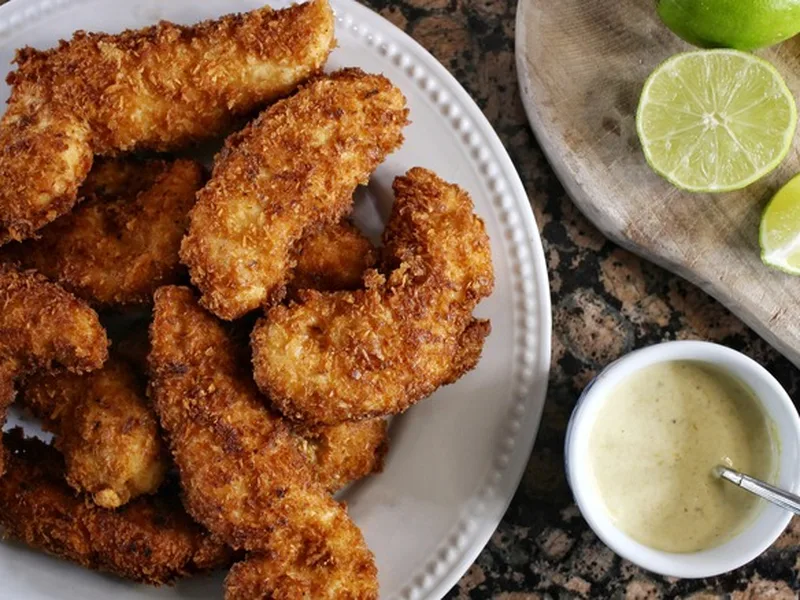
Fusion cooking breaks the rules. Take Korean gochujang and slather it on Mexican street corn. Fold Japanese miso into Italian carbonara. Works every time.
This isn't about authenticity. It's about flavor combinations that shouldn't work but do. Most fusion recipes pull from 2-3 cuisines max. Any more gets muddy. The best dishes keep one cuisine as the base, then add specific elements from another. Think tacos with Korean bulgogi instead of carne asada, or ramen with Italian sausage and parmesan broth.
Temperature control matters more in fusion than traditional cooking. You're mixing techniques that use different heat levels. Stir-fries need 500F+ while braises hover at 325F. When you combine both in one dish, sequence becomes critical. Sear proteins at high heat first, then drop to 350F for sauce work.
Fusion thrives on contrast. Crunchy tempura meets soft avocado. Tangy kimchi cuts through fatty pork belly. Sweet hoisin balances bitter greens. Build layers by thinking opposite textures and flavors.
Ingredient ratios need adjusting too. Soy sauce overpowers delicate French sauces at a 1:1 swap. Start with 1/4 the amount and build up. Fish sauce in pasta? Use 1 teaspoon per pound of noodles, not the 3 tablespoons you'd use in pad thai.
The 346 recipes here average 49 minutes cook time. That's because fusion often requires multiple components. Make sauces ahead. Pickle vegetables the night before. Prep takes longer but actual cooking stays under an hour.
Best part about fusion? No grandma to tell you you're doing it wrong. Mix Sri Lankan curry spices into mac and cheese. Stuff wontons with Mexican chorizo. Add miso to chocolate chip cookies for depth. Start with proven combinations like Asian-Mexican or Italian-Asian, then branch out once you understand which flavors bridge different cuisines.
Essential Ingredients
Key Techniques
FAQ
What ingredient substitutions work best in fusion cooking?
Substitute by flavor profile, not origin. Replace fish sauce with soy sauce plus 1/2 teaspoon sugar per tablespoon. Swap tahini for peanut butter using 3/4 the amount. Use Greek yogurt instead of Mexican crema at a 1:1 ratio. Miso works for parmesan in umami-forward dishes at 1 tablespoon miso per 1/4 cup cheese. Always taste and adjust since fusion relies on balance.
How do I know which cuisines mix well together?
Look for shared ingredients or techniques. Korean and Mexican both use chili, garlic, and grilled meats. Japanese and Italian share umami focus and noodle dishes. Start with cuisines that use similar cooking temperatures. Stir-fry techniques (500F+) clash with slow braises (250F). Most successful fusion combines no more than 2-3 cuisines per dish.
What ratios should I use when mixing sauces from different cuisines?
Start conservative. Use 1 part bold sauce to 3 parts mild base. For soy sauce in cream sauces, begin with 1 teaspoon per cup. Fish sauce in tomato sauce needs just 1/2 teaspoon per cup. Gochujang in mayo starts at 1 tablespoon per 1/2 cup. Build up gradually. You can always add more, but you can't take it back. Most fusion sauces peak at 2-3 tablespoons of the secondary flavor per cup of base.
Should I make fusion food less spicy than traditional versions?
Cut heat levels by 30-40% when mixing cuisines. A dish that combines Sichuan and Mexican chilies can overwhelm fast. Use 2 teaspoons chili flakes instead of 1 tablespoon. Pick either fresh jalapeños or dried chilies, not both. Balance heat with cooling elements like yogurt, coconut milk, or lime juice. You want 1 cooling ingredient for every 2 spicy ones. Build heat gradually since fusion diners expect milder flavors than single-cuisine dishes.