Global Recipes
67 recipes
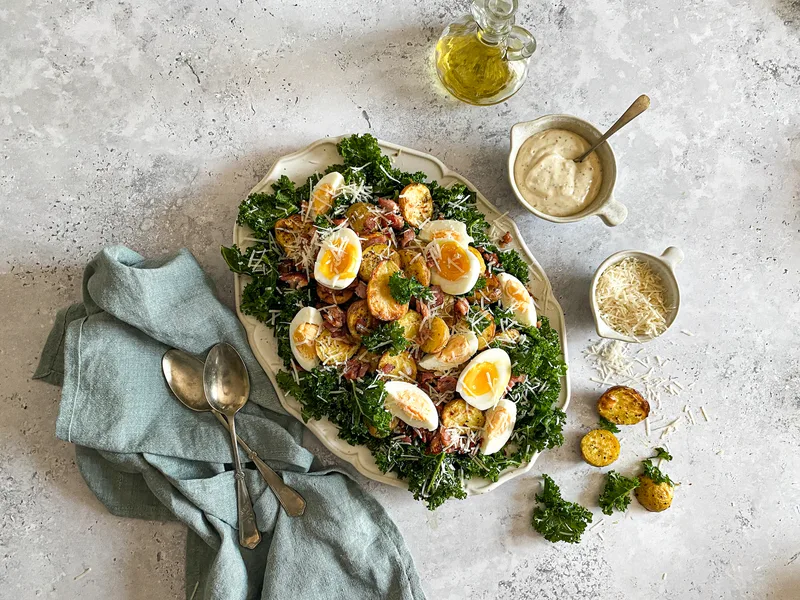
Roasted Potato & Kale Caesar Salad with Crispy Bacon
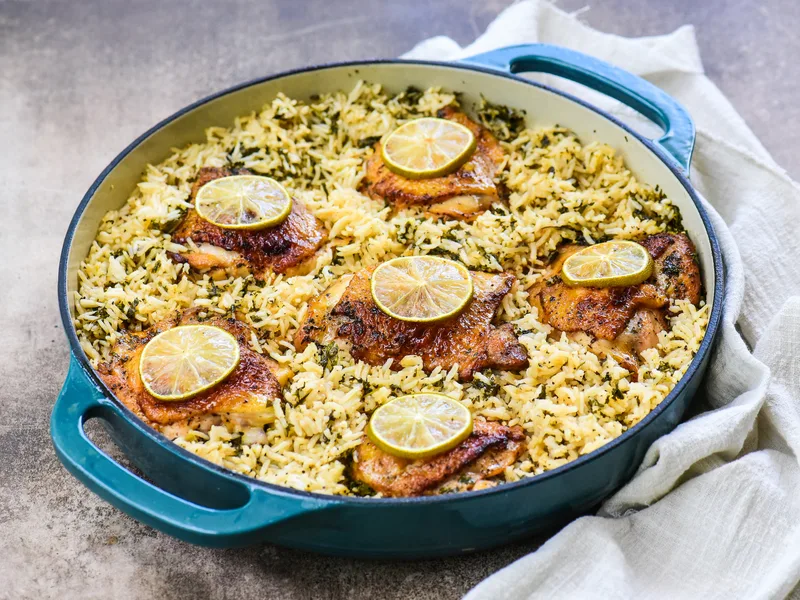
One-Pan Lime Chicken with Cilantro Rice
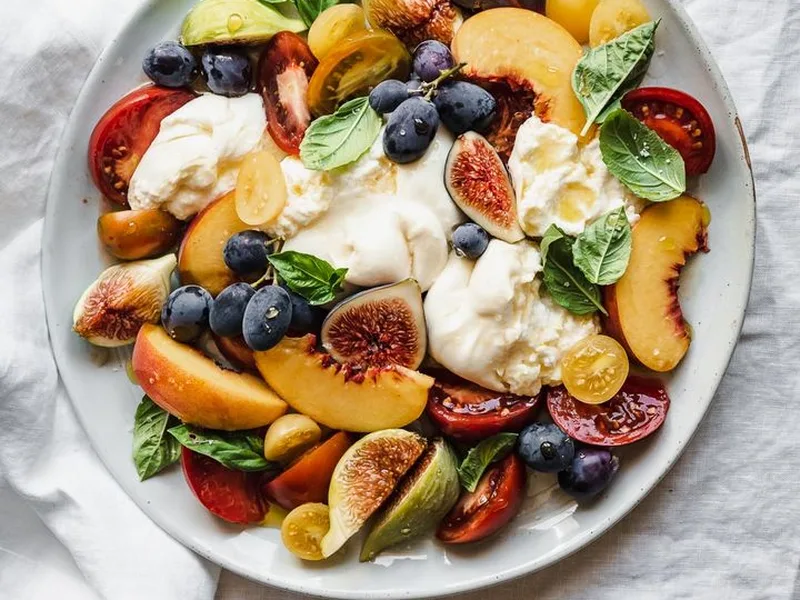
Late Summer Harvest Salad with Burrata
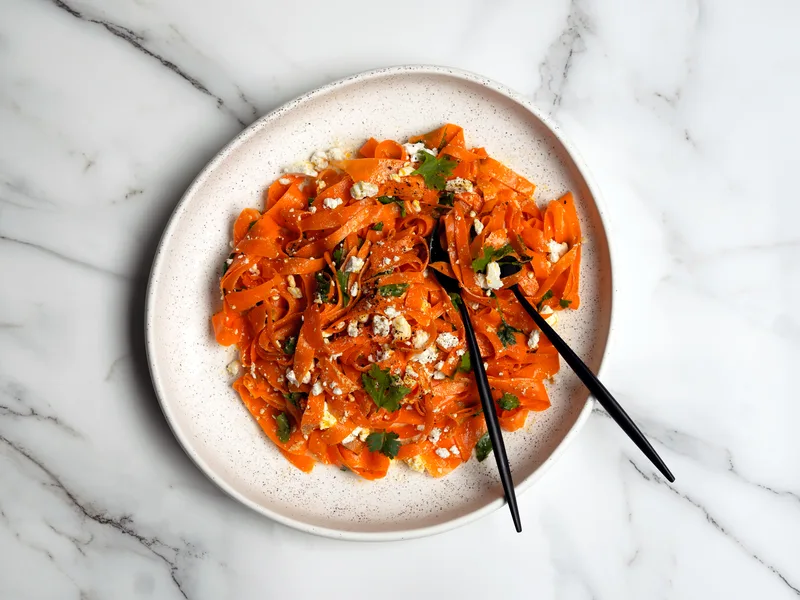
Spicy Carrot Feta Salad with Ginger-Garlic Dressing
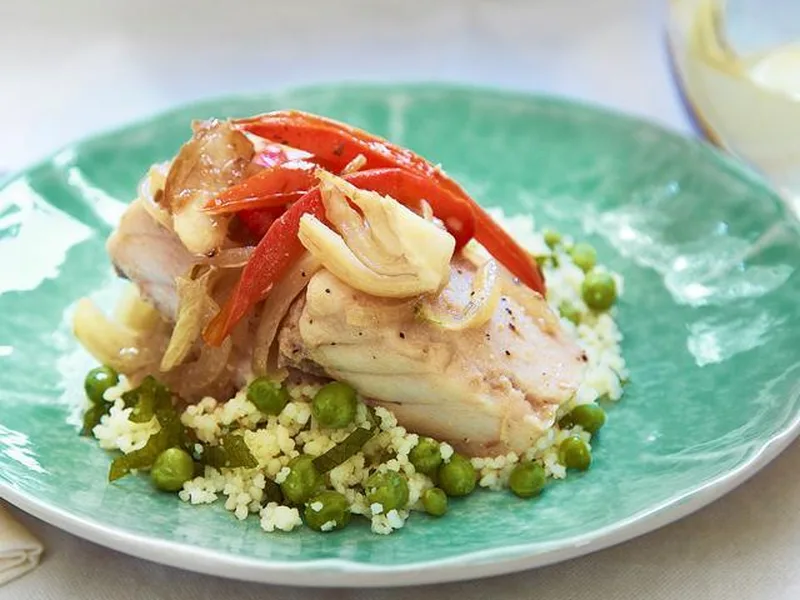
Oven-Roasted Snapper with Fennel and Herb Couscous
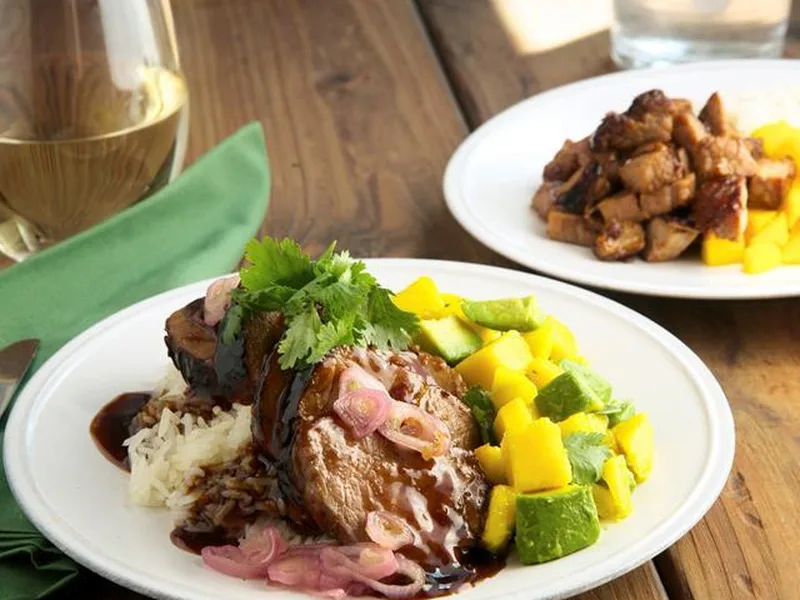
Hoisin-Glazed Pork Tenderloin with Avocado Mango Salad
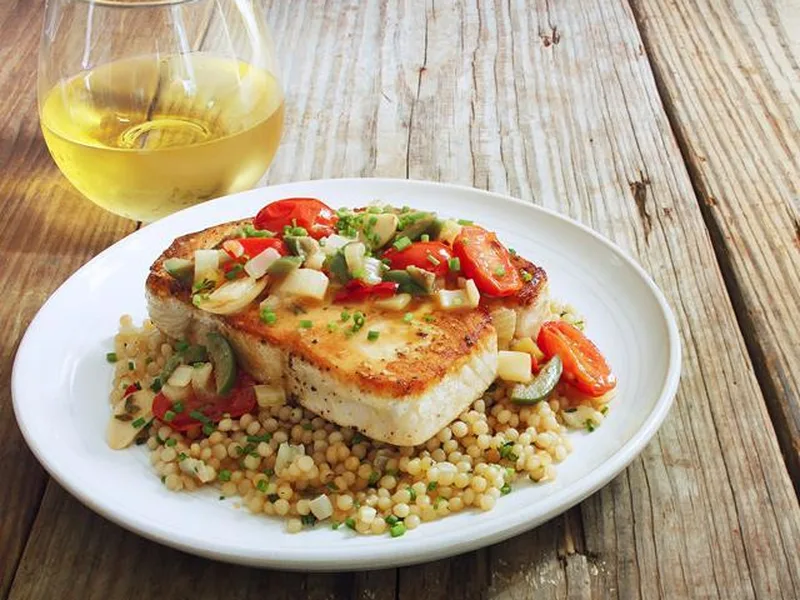
Pan-Roasted Swordfish with Spicy Tomato Wine Sauce
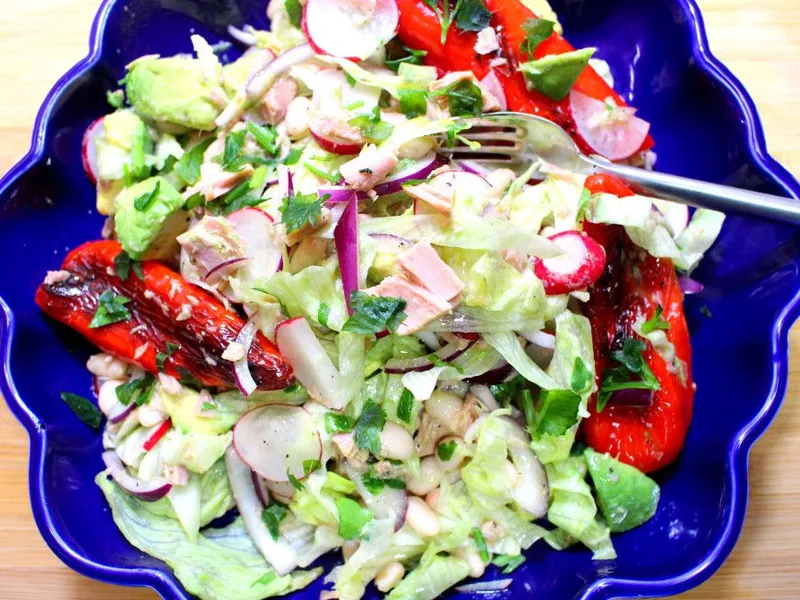
Seared Red Pepper, Avocado & Tuna Salad
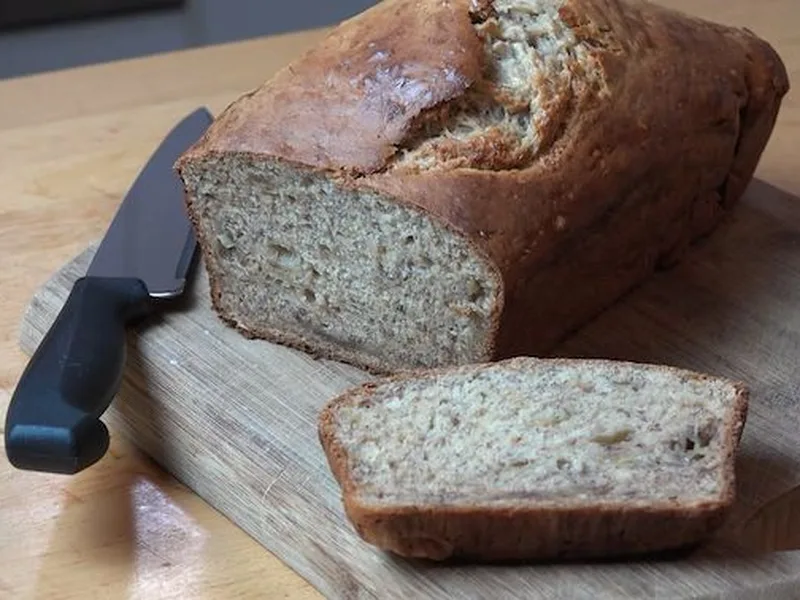
3-Ingredient Banana Bread with Cinnamon
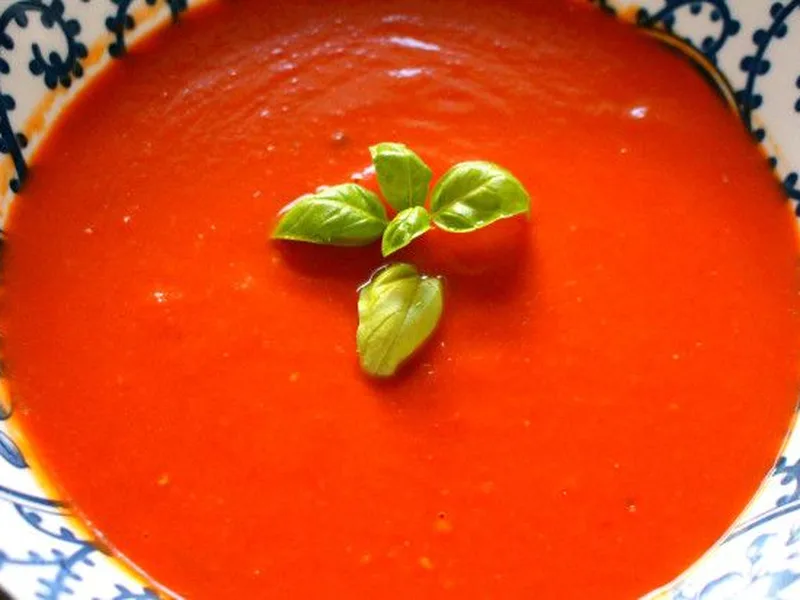
Creamy Tomato Pepper Soup with Fresh Basil
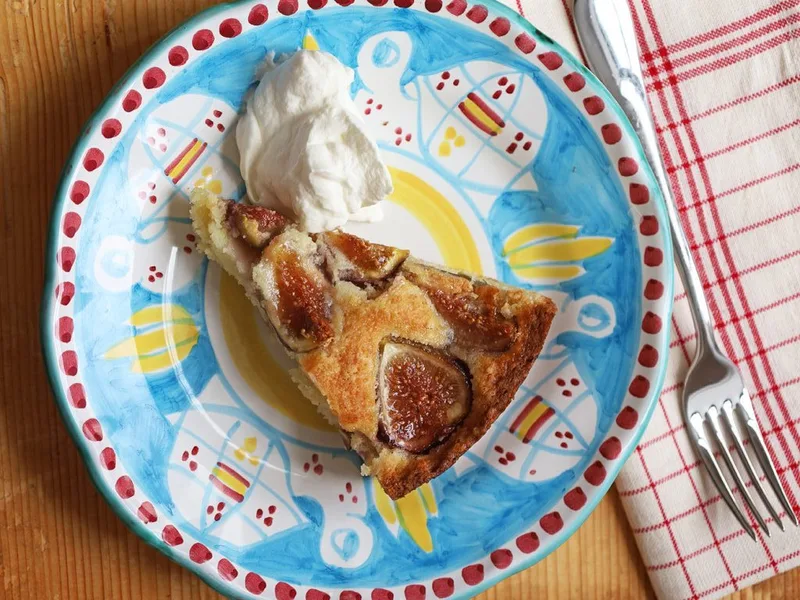
Fig and Almond Cake with Frangipane
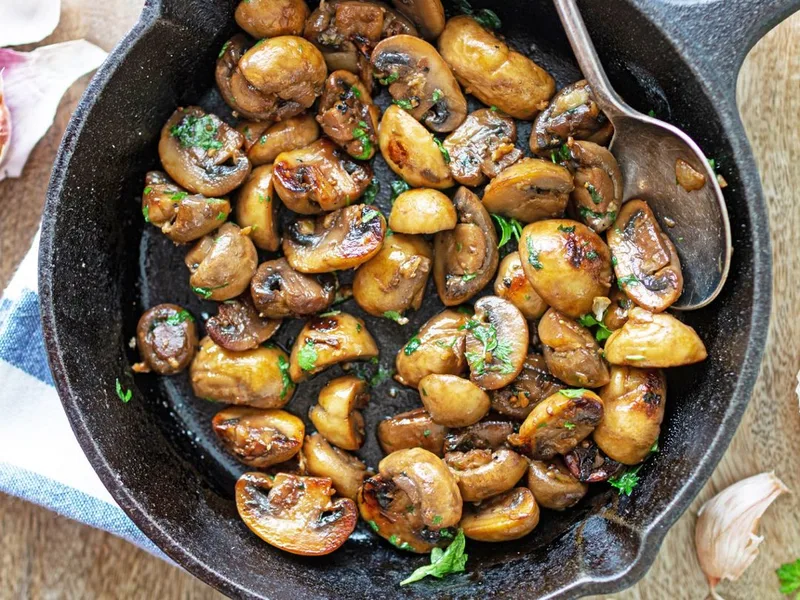
Sautéed Mushrooms with Garlic and Balsamic
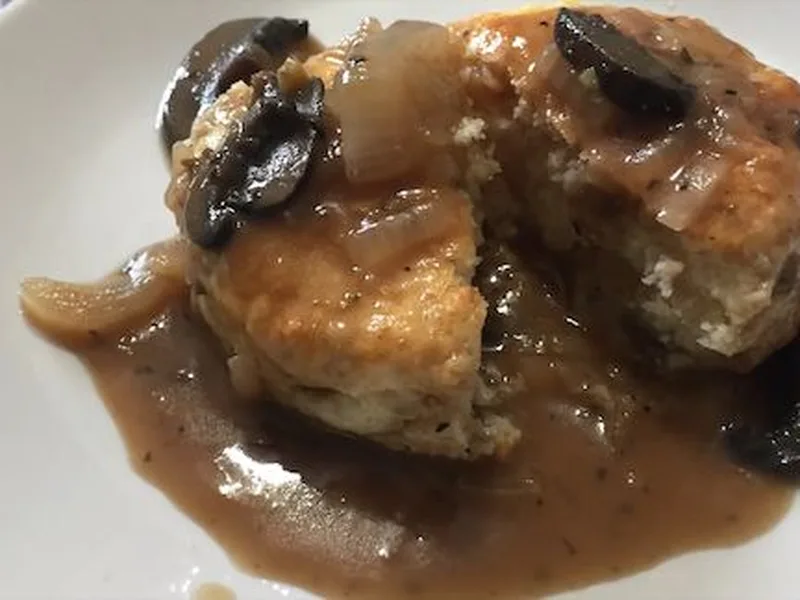
Brown Mushroom and Onion Gravy
VEEV Breakfast Fizz Cocktail with Egg White Foam
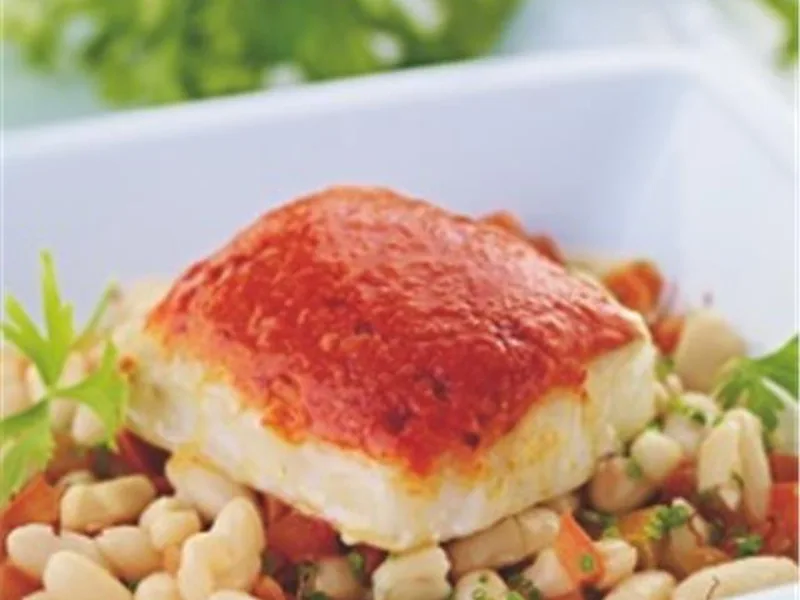
Romesco Cod with Saffron White Beans
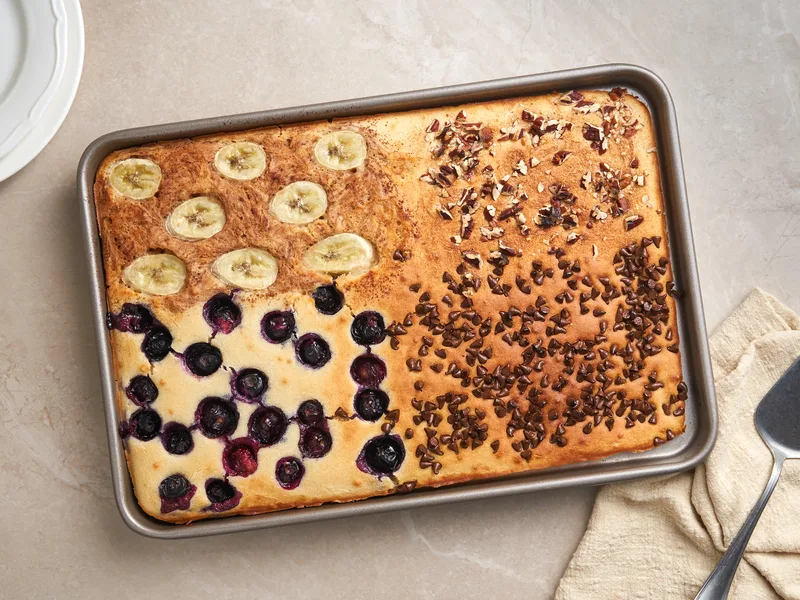
Sheet Pan Pancakes with Four Flavor Sections
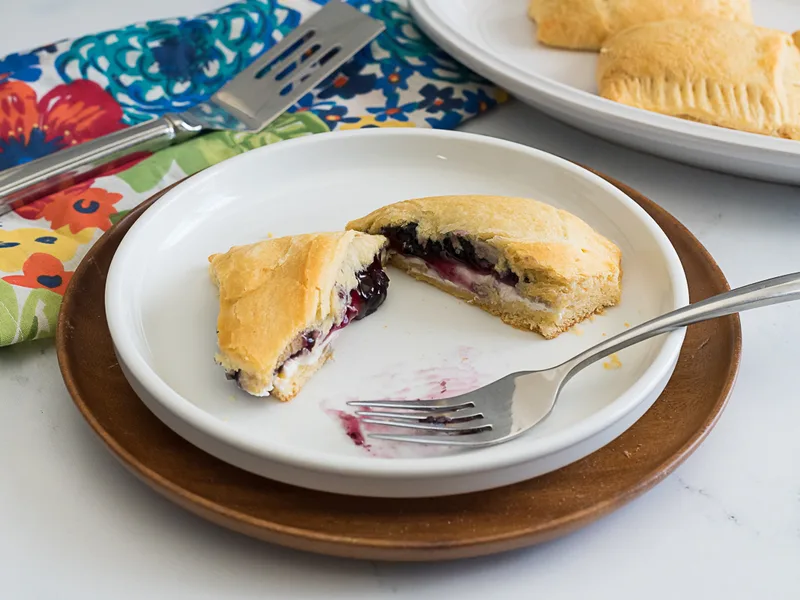
Blueberry Cream Cheese Crescent Pastries
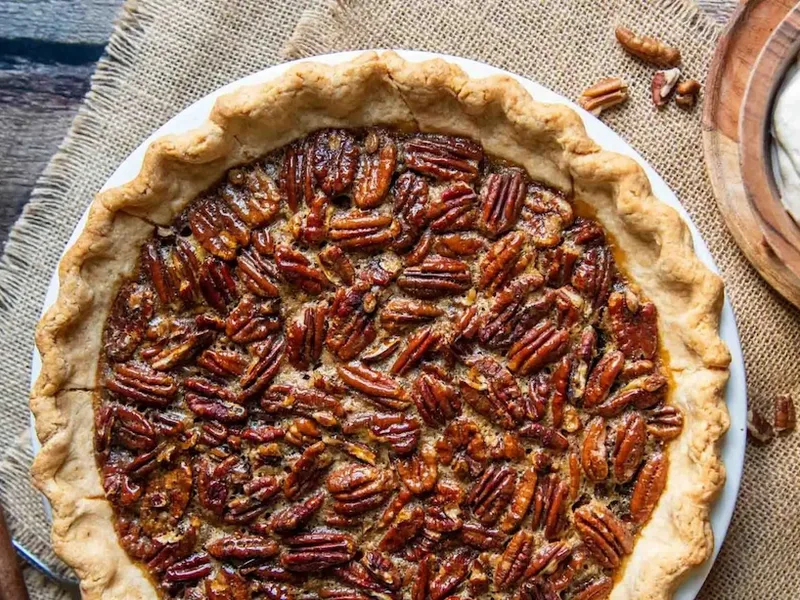
Gluten-Free Pecan Pie with Homemade Crust
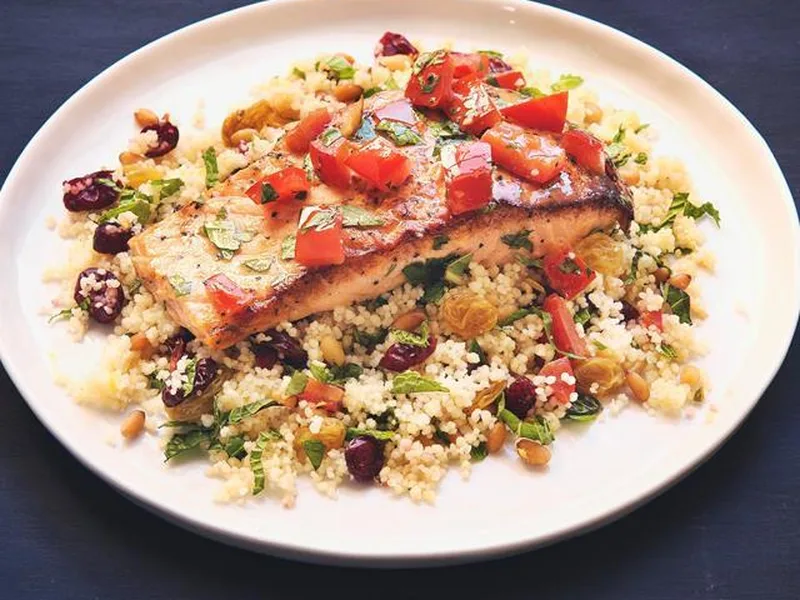
Lemon-Pepper Salmon with Moroccan Couscous
Global cuisine isn't one cuisine at all. It's what happens when home cooks grab techniques and ingredients from everywhere. You might roast a chicken at 425F with Middle Eastern za'atar one night, then simmer Japanese miso soup at 180F the next.
Think of it as cooking without borders. Your pantry holds fish sauce next to maple syrup. Tahini shares space with coconut milk. You use cast iron for Indian curries and the same pan for Mexican carnitas.
The recipes here pull from at least 30 different food traditions. Some fuse multiple cuisines in one dish. Others take a classic technique and swap the seasonings. A French frangipane tart gets almonds and figs instead of pears. Ranch dressing meets quinoa salad. Cajun spices coat Norwegian cod.
Most dishes cook between 350F and 425F. Slow cooker recipes hover around 200F for 4-8 hours. No-bake desserts need 2-4 hours of chill time.
Salt appears in 95% of these recipes. Not because they're salty, but because salt makes every cuisine work. Same with garlic, which shows up in 78% of dishes. These aren't fusion experiments. They're practical recipes that borrow the best techniques from everywhere.
You'll find breakfast dishes that take 15 minutes alongside desserts that need 90. Main courses average 45-60 minutes of active cooking. Many use familiar techniques like roasting and baking rather than specialized equipment.
Global cooking means keeping a wider pantry. You need good olive oil, real butter, fresh lemons, and quality vanilla. But also soy sauce, coconut milk, and spice blends from three continents. Most ingredients last months when stored properly.
These recipes work for cooks who get bored easily. Who want Korean flavors on Tuesday and Italian on Friday without buying entirely new pantries each time. The techniques transfer across borders. Once you know how to pan-fry at medium-high heat, you can cook Thai basil chicken or German schnitzel.
Start with dishes that use ingredients you already have. Branch out as your spice cabinet grows.
Essential Ingredients
Key Techniques
FAQ
What equipment do I need for global cooking?
Start with basics: a 12-inch skillet, 6-quart pot, rimmed baking sheets, and 9x13 baking dish. Add a instant-read thermometer that reads up to 500F. Most recipes here use standard American home equipment. Specialized tools like woks or tagines are nice but not essential. A $30 cast iron pan handles 80% of stovetop needs.
How do I stock a global pantry?
Build slowly. Start with 5-6 spice blends: Italian seasoning, curry powder, Chinese five-spice, za'atar, and Cajun seasoning. Each covers multiple recipes. Add one new condiment monthly: fish sauce, tahini, gochujang, or miso paste. Most last 6-12 months after opening. Buy small bottles first. A well-stocked pantry costs $100-150 to build but makes hundreds of meals.
How do I adapt recipes for dietary restrictions?
Coconut milk replaces dairy in most recipes at a 1:1 ratio. Tamari substitutes for soy sauce in gluten-free cooking. Use 3 tablespoons aquafaba (chickpea liquid) per egg in vegan baking. Cauliflower rice cuts carbs by 85% compared to white rice. Most global recipes adapt well because they already pull from traditions with different dietary rules.
What's the best way to learn new techniques?
Master one technique across multiple cuisines. Learn to pan-fry at 375F surface temperature, then apply it to schnitzel, tempura, and fried plantains. Practice making pan sauces with wine, stock, or coconut milk. Each technique typically appears in 20-30 recipes here. Start with familiar flavors, then branch out.