Indian Recipes
97 recipes
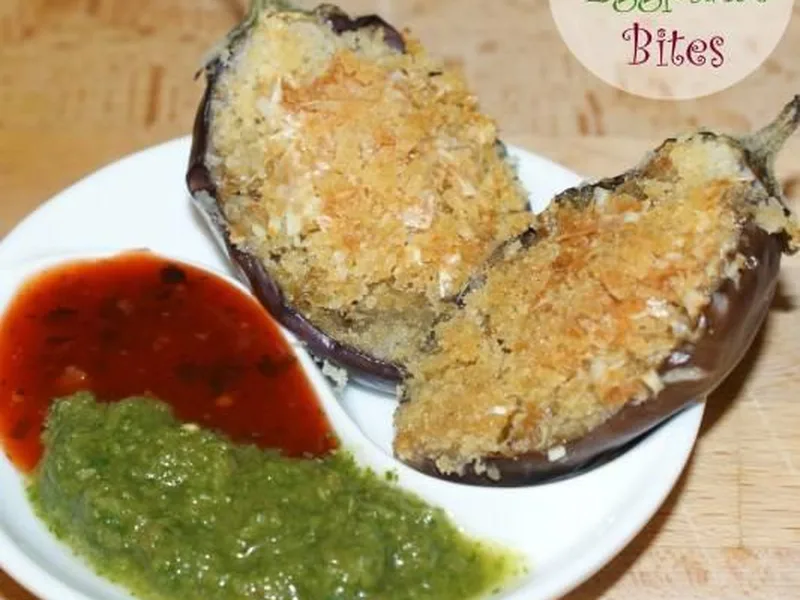
Stuffed Baby Eggplant Bites with Parmesan and Breadcrumbs
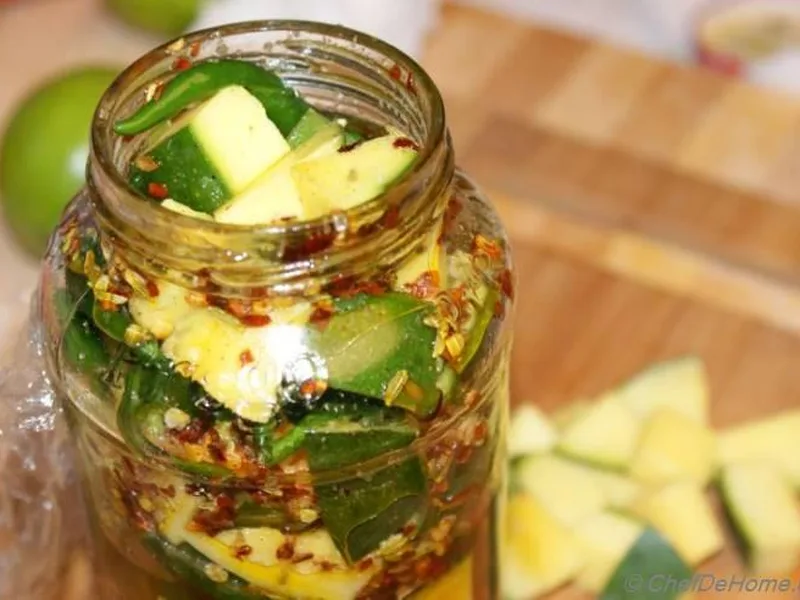
Raw Mango Serrano Pepper Pickle with Mustard Oil
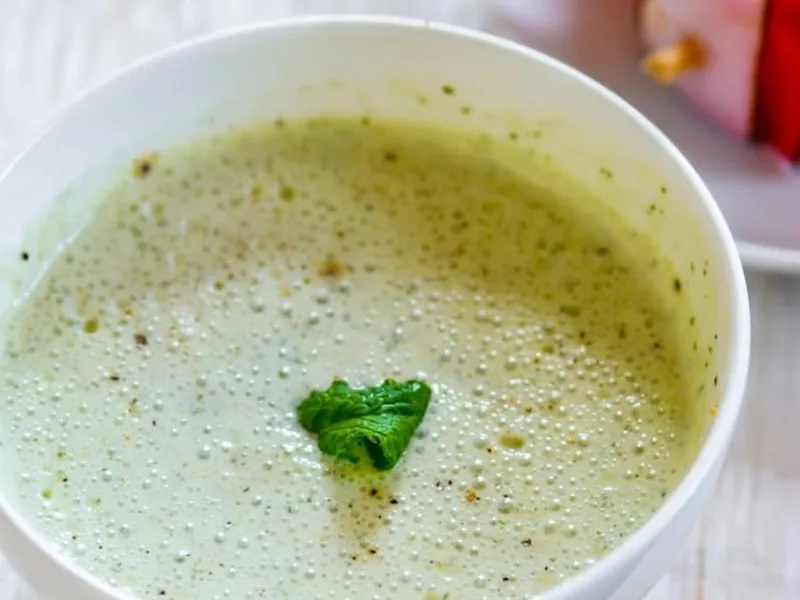
Fresh Mint Yogurt Dipping Sauce with Mustard Seed Tempering
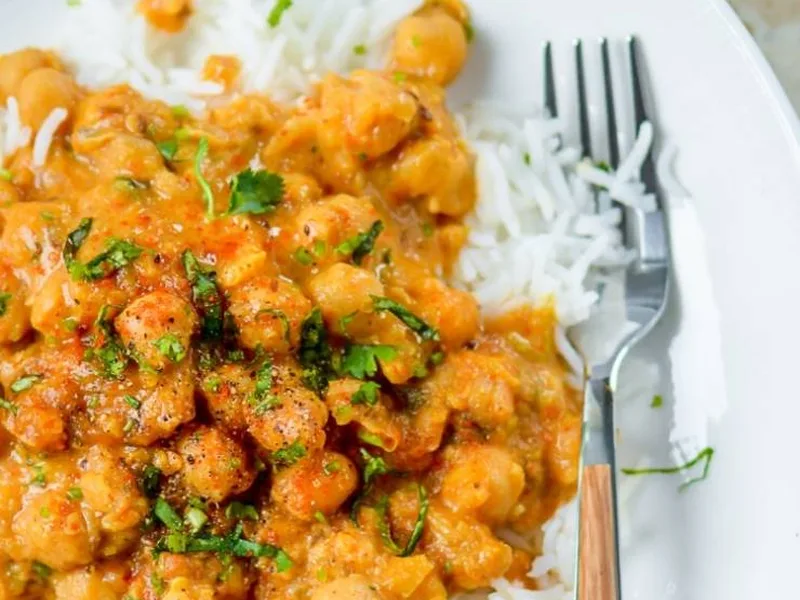
Easy Chickpea Curry with Basmati Rice
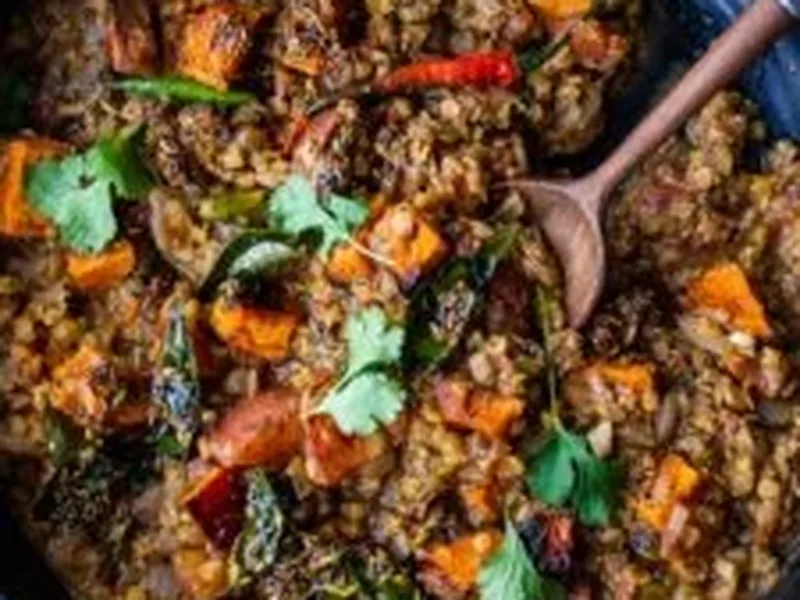
Lentil Dal with Sweet Potatoes and Spiced Ghee
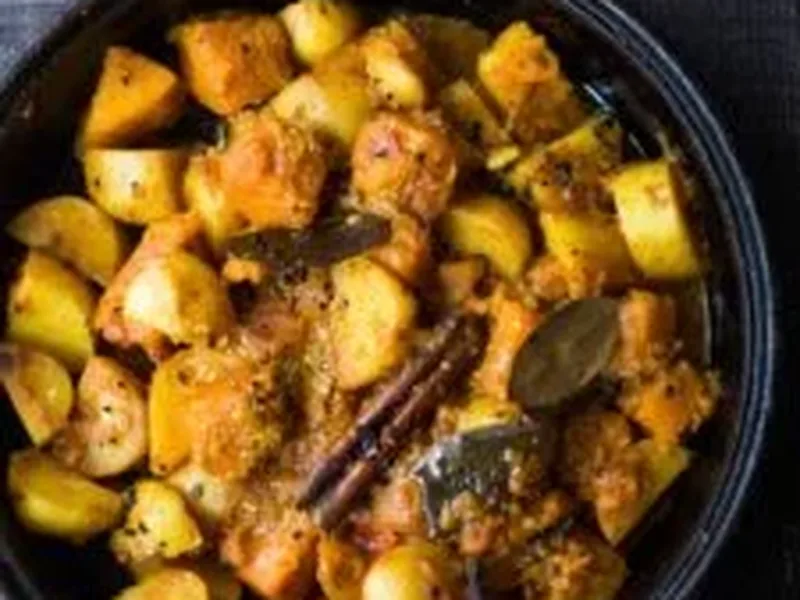
Rajasthani Butternut Squash and Potato Curry with Aromatic Spices
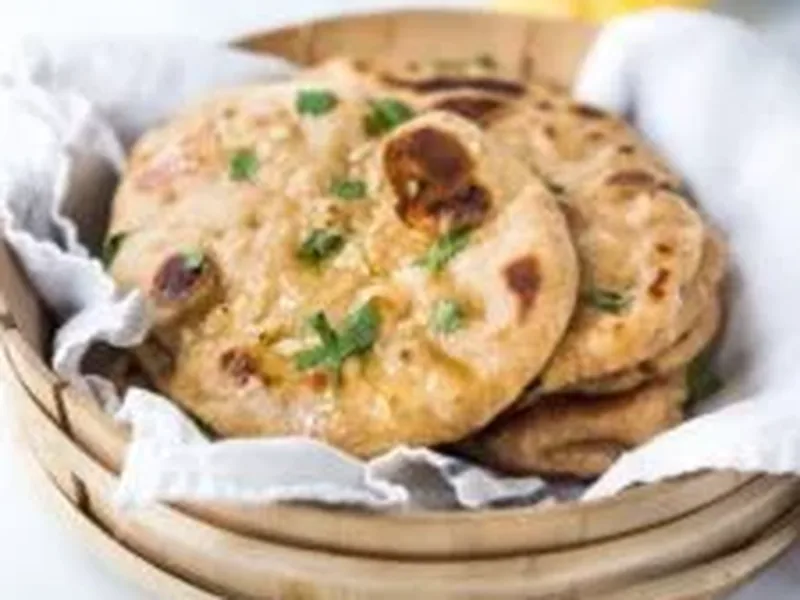
Homemade Indian-Style Naan Bread with Yogurt and Seeds
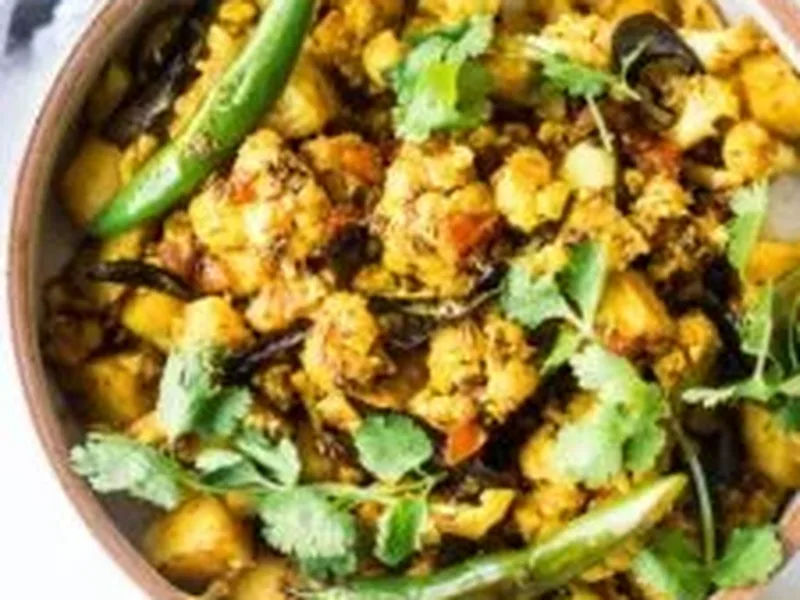
Spiced Indian Aloo Gobi with Cauliflower and Potatoes
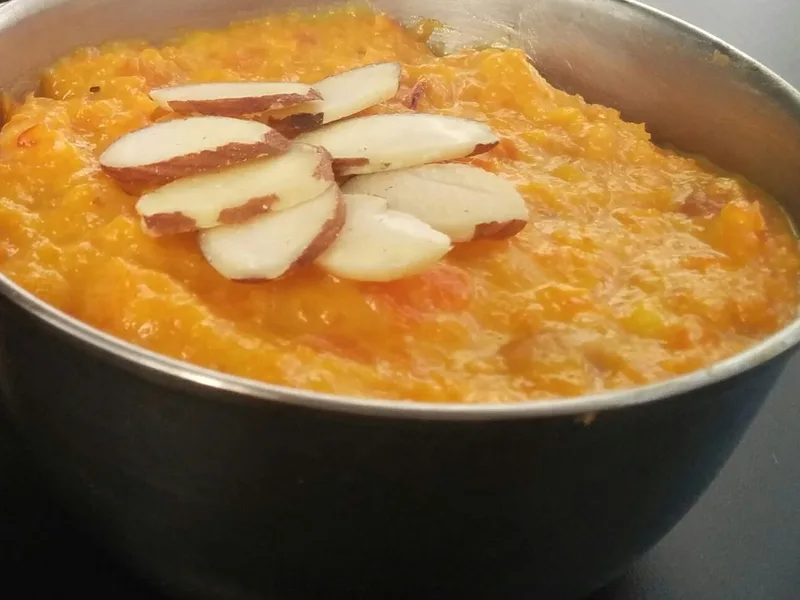
Traditional Carrot Halwa with Khoya and Cardamom
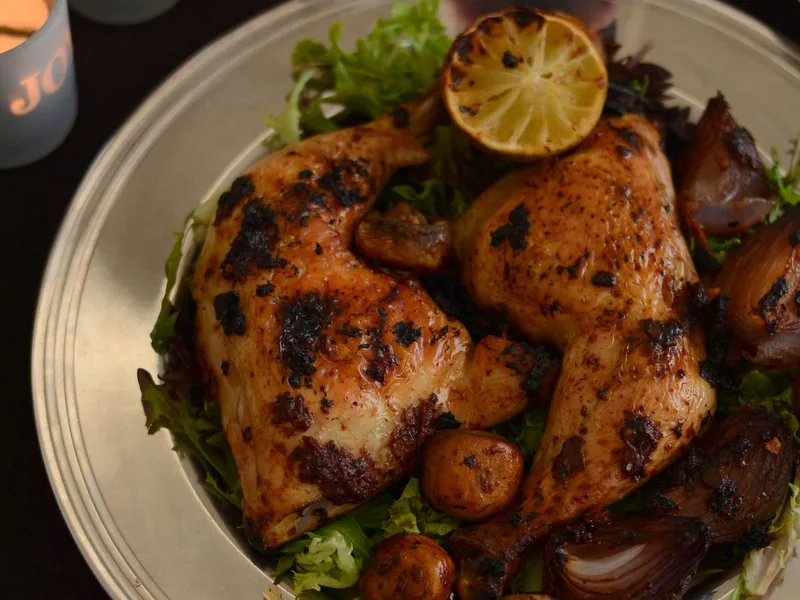
Roast Chicken with Vegemite Masala - Spiced Australian Fusion
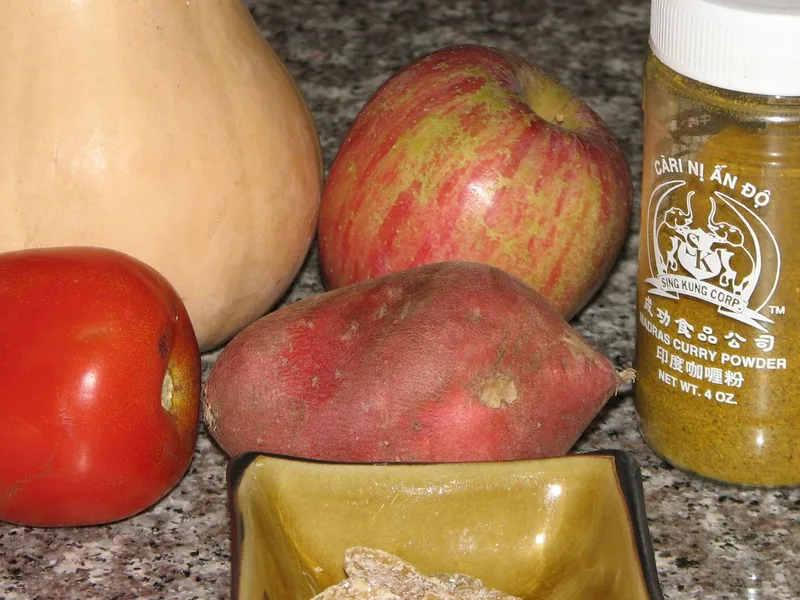
Madras Curried Butternut Squash Sweet Potato Soup
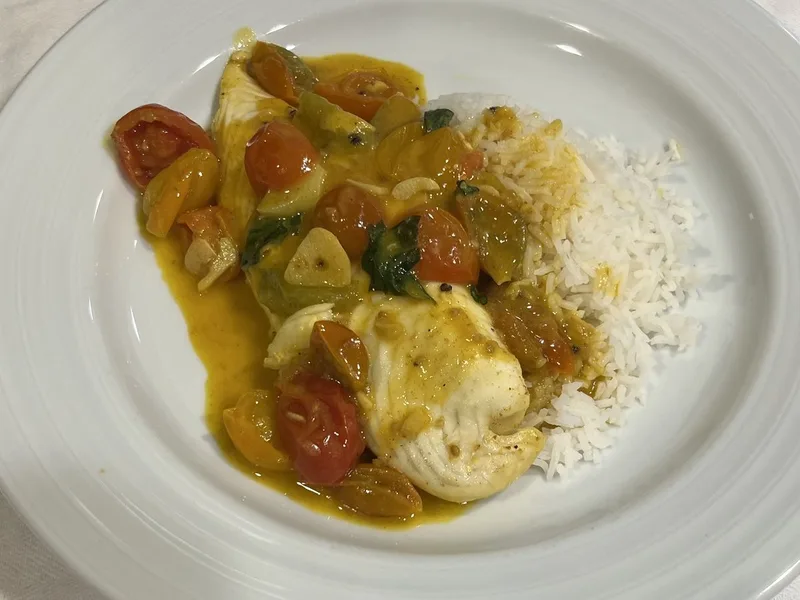
Poached Whitefish in Aromatic Tomato Coconut Curry
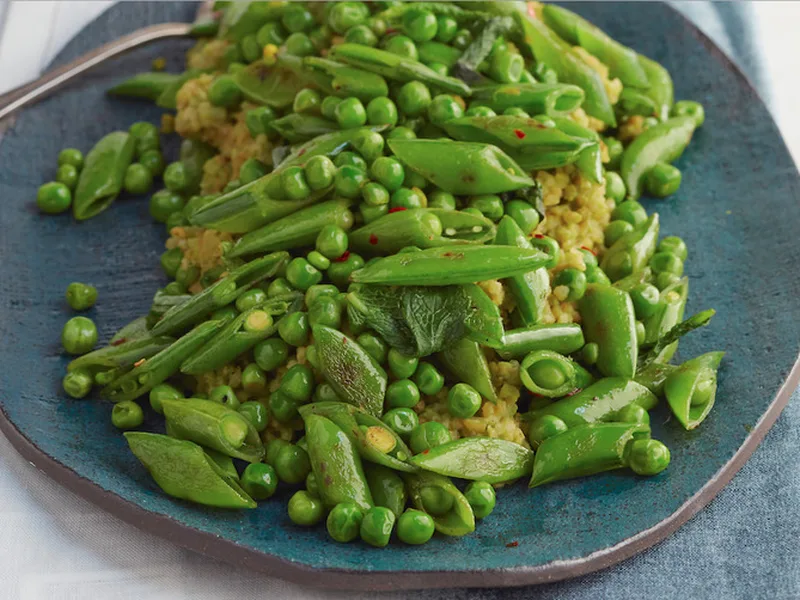
Cracked Wheat Pilaf with Spring Peas and Homemade Stock
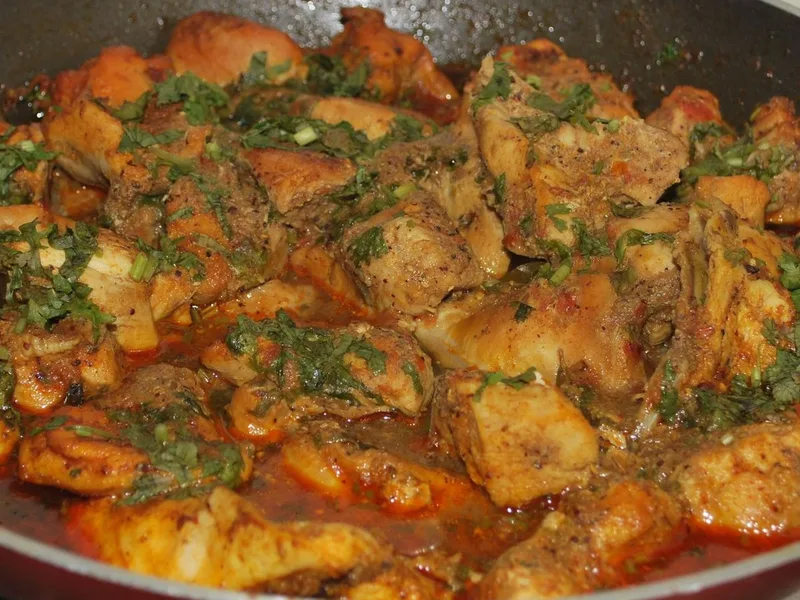
Backstretch Chef Curry Chicken with Apples and Raisins
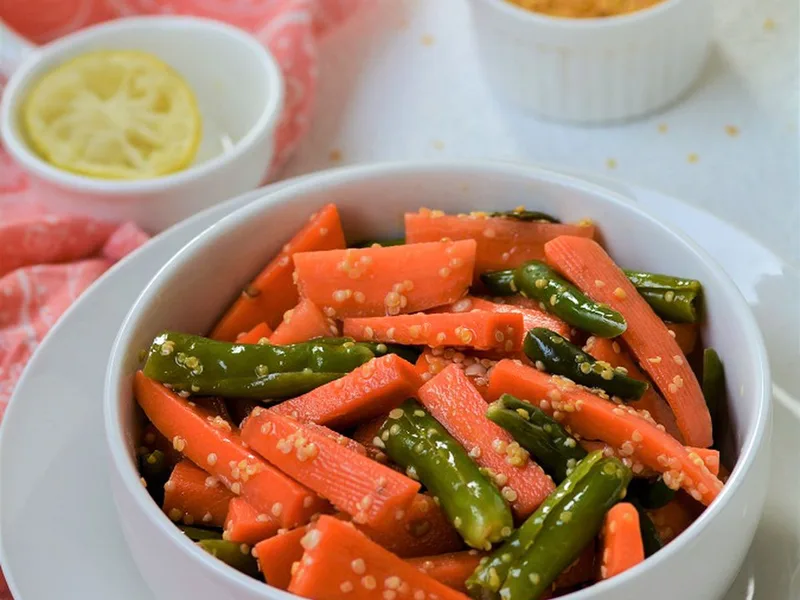
Instant Carrot and Green Chili Pickle - Quick Indian Pickled Vegetables
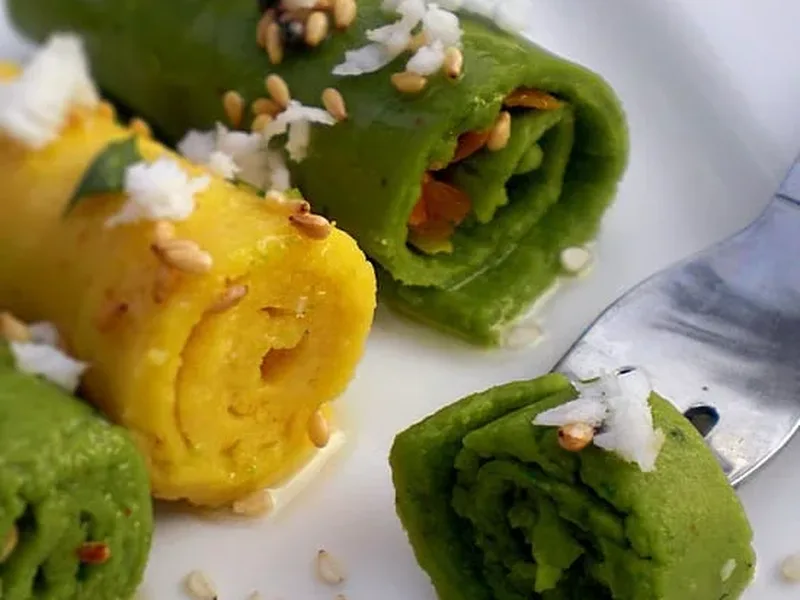
Savory Chickpea Flour Spinach Rolls with Sesame Tempering
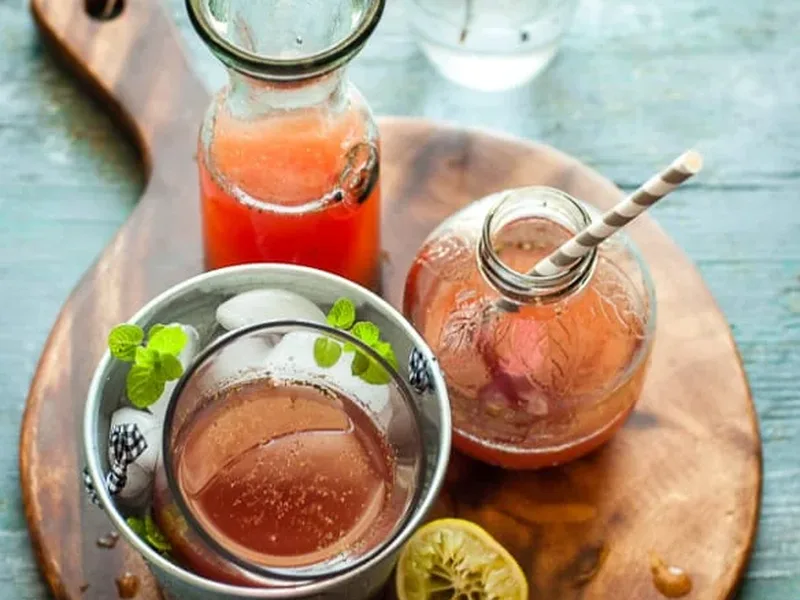
Spiced Blood Orange Citrus Cooler with Roasted Cumin
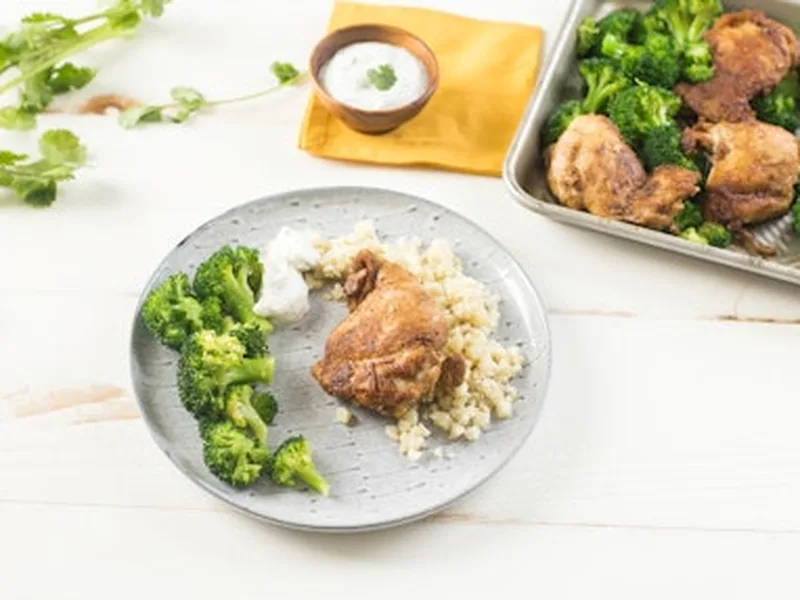
Sheet Pan Indian Spiced Chicken and Broccoli with Cauliflower
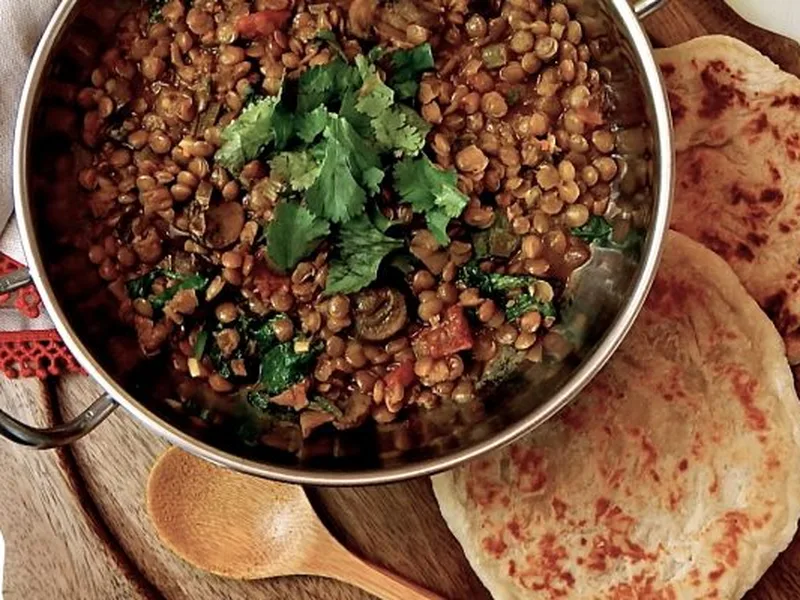
Easy Coconut Curry Lentils with Mushrooms and Kale
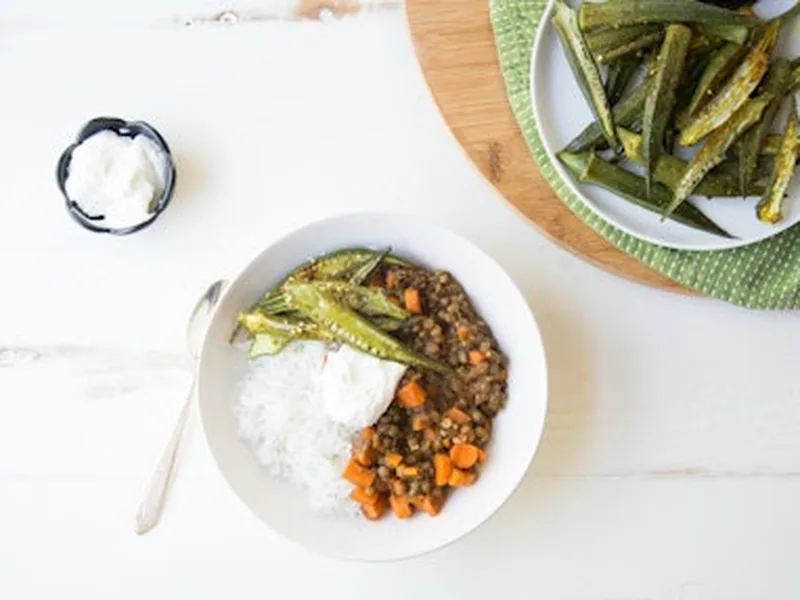
Curried Lentils with Roasted Spiced Okra and Basmati Rice

Spiced Potato and Chickpea Curry Wraps with Mango Chutney
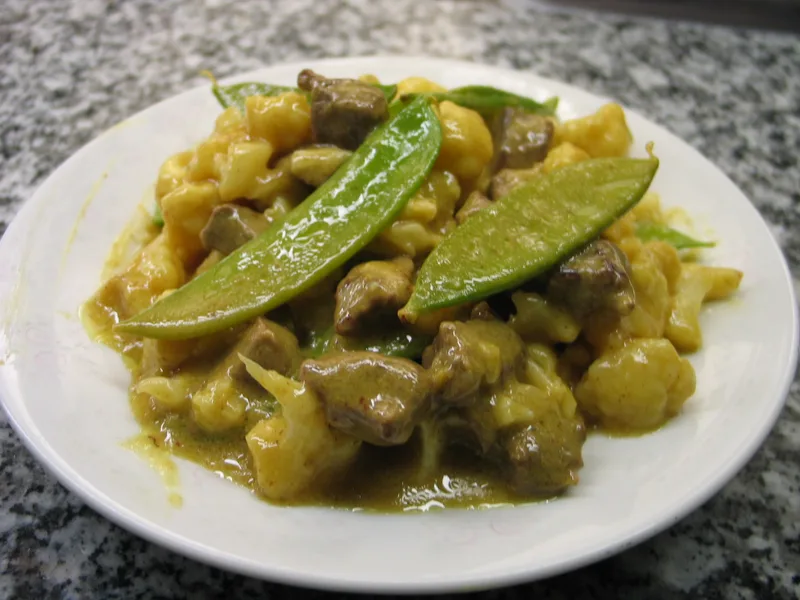
Bombay Beef and Cauliflower Stir-Fry

Spiced Turkey Sloppy Joes with Pistachios and Coconut
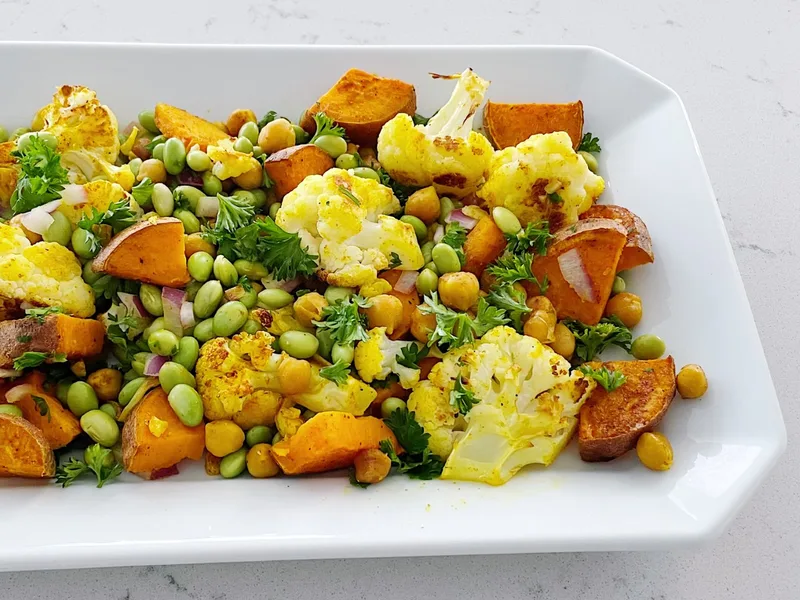
Curry Roasted Cauliflower Sweet Potato Bowl with Edamame
Indian cooking runs on spices. Not heat, but layers.
Most dishes start the same way. Heat oil to 350F. Drop in whole spices like cumin seeds or mustard seeds. Wait 30 seconds until they pop. This technique, called tempering or tadka, forms the backbone of thousands of recipes. The spices release their oils into the fat, creating a flavor base stronger than any stock cube.
Forget everything you know about curry powder. Real Indian cooks use individual spices, toasting and grinding them fresh. A basic spice box holds about 12 essentials. Turmeric gives color and earthiness at 1/4 teaspoon per serving. Red chili powder brings heat. Coriander seeds add lemony notes. Garam masala, a blend of warming spices, goes in at the end of cooking to preserve its aroma.
Texture matters as much as spice. Dal needs to be creamy but not mushy, cooked 45 minutes until individual lentils just start breaking down. Rice grains stay separate, never sticky. Achieve this by washing basmati rice 3 times until water runs clear, then using a 1:1.5 rice to water ratio.
Indian food splits broadly into North and South. Northern cooking uses dairy heavily. Think butter chicken with 4 tablespoons of butter per pound of meat. Southern cooking relies on coconut, curry leaves, and mustard seeds. Both use onions as a base, cooked 15-20 minutes until deep brown, never blonde.
Vegetarian dishes dominate. Even meat-centric regions eat vegetarian 4 days a week. This pushes creativity with vegetables. Okra gets crispy when cooked dry at 400F. Eggplant chars directly over flame until the skin blackens. Paneer cheese holds its shape at any temperature, making it perfect for beginners.
Bread varies by region too. Chapati needs no yeast, just flour and water rolled thin. Naan requires tandoor-level heat, 700F minimum. Most home cooks stick to chapati or buy naan fresh.
Start simple. Make dal, chapati, and one vegetable dish. Master the spice tempering technique. Everything else builds from there.
Essential Ingredients
Key Techniques
FAQ
What oil should I use for Indian cooking?
Use neutral oil with a high smoke point. Ghee works best at 485F smoke point, followed by mustard oil at 480F. Regular vegetable oil at 400F handles most recipes. Olive oil burns too quickly. For authentic flavor, use 2 tablespoons ghee per pound of vegetables. Coconut oil suits South Indian dishes but solidifies below 76F. Store ghee at room temperature for 3 months or refrigerate for a year.
How do I reduce the heat in a dish that's too spicy?
Add dairy first. Stir in 1/4 cup yogurt or cream per serving. Sugar helps too, about 1 teaspoon per portion. Coconut milk works for dairy-free options, using 1/3 cup per serving. Adding more tomatoes or 2 tablespoons lemon juice balances heat with acidity. Never add water, which spreads capsaicin around. For future cooking, remember that 1/4 teaspoon red chili powder equals medium heat for most palates.
Why does my curry taste flat compared to restaurants?
Restaurant curries cook onions 20-25 minutes until mahogany brown, not the 5 minutes most recipes suggest. They also use 3-4 tablespoons oil per serving, double what home cooks add. Toast your spices in oil at 350F for 30 seconds before adding other ingredients. Finish with 1/2 teaspoon garam masala per serving in the last 2 minutes. Salt early and often, using 1 teaspoon per pound of main ingredient.
How do I cook perfect basmati rice?
Rinse rice 3-4 times until water runs clear. Soak 20 minutes for longer grains. Use a 1:1.5 ratio of rice to water for stovetop cooking. Bring to a boil, then simmer covered on lowest heat for 12 minutes. Never stir while cooking. Let stand 5 minutes before fluffing with a fork. For extra flavor, add 3-4 whole spices like cardamom pods to the cooking water. One cup dry rice serves 2-3 people.