Italian Recipes
495 recipes
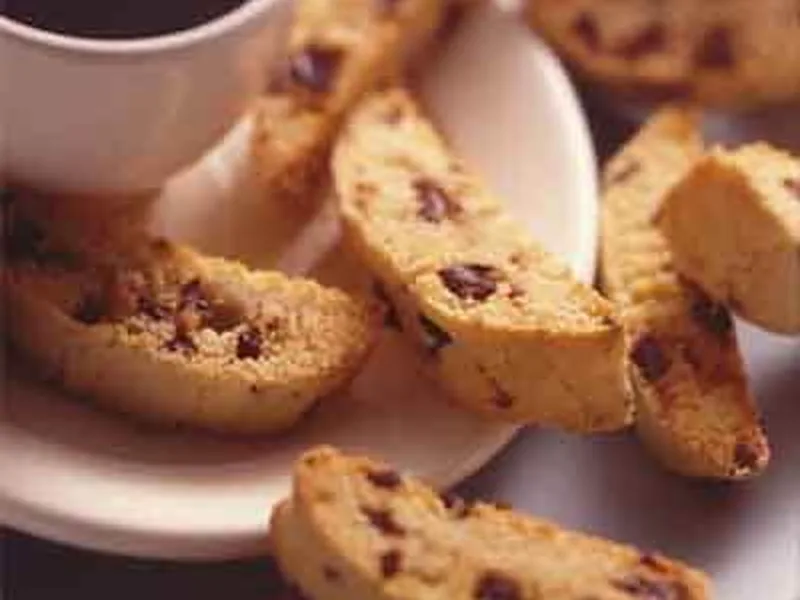
Chocolate-Cherry Biscotti: Twice-Baked Italian Cookies
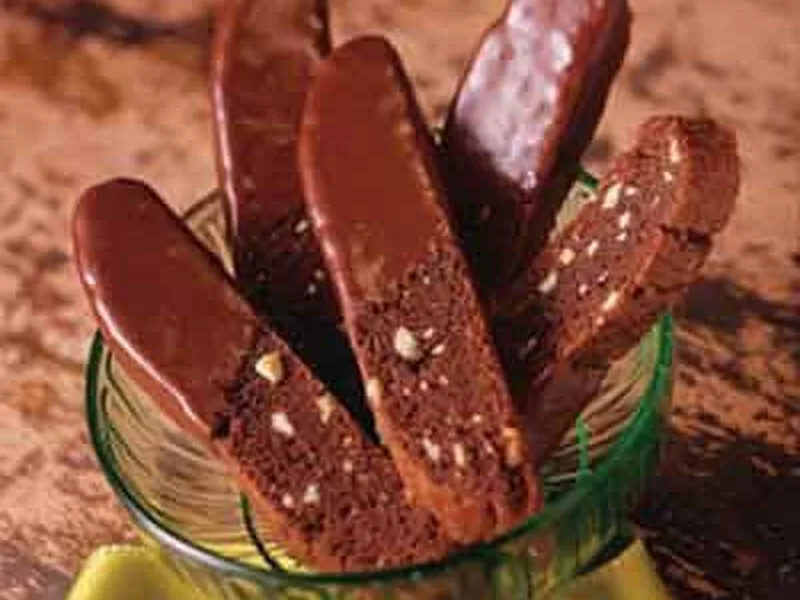
Dark Chocolate Hazelnut Biscotti with Chocolate Dip

Garlic Butter Italian Red Pepper Crostini
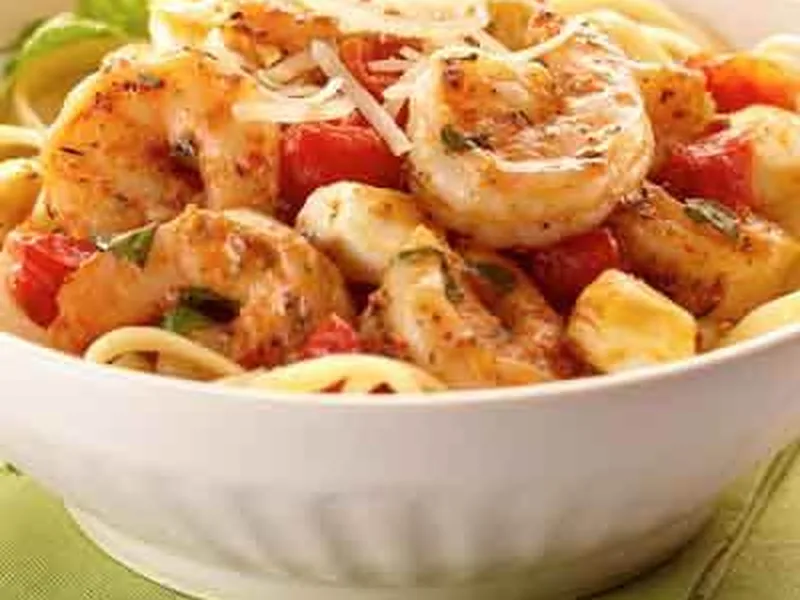
Garlic Butter Shrimp Caprese Pasta

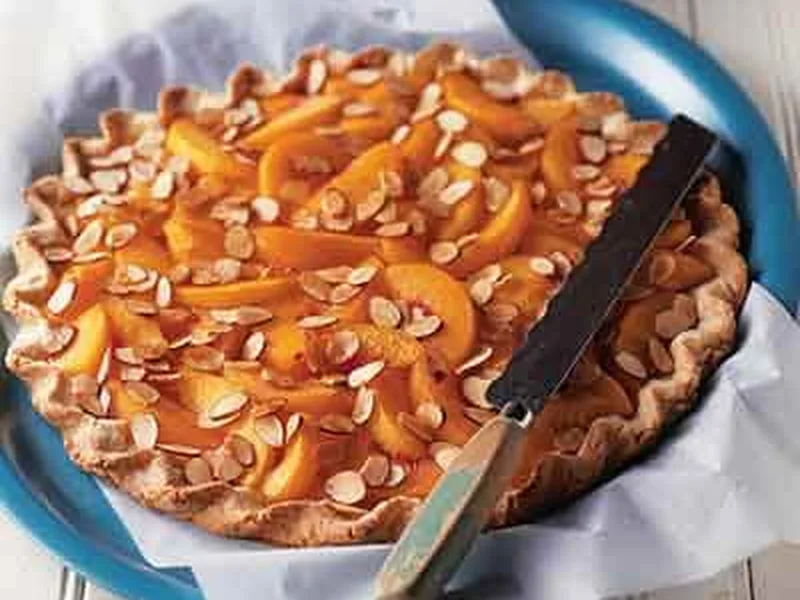
Rustic Peach Crostata with Toasted Almonds

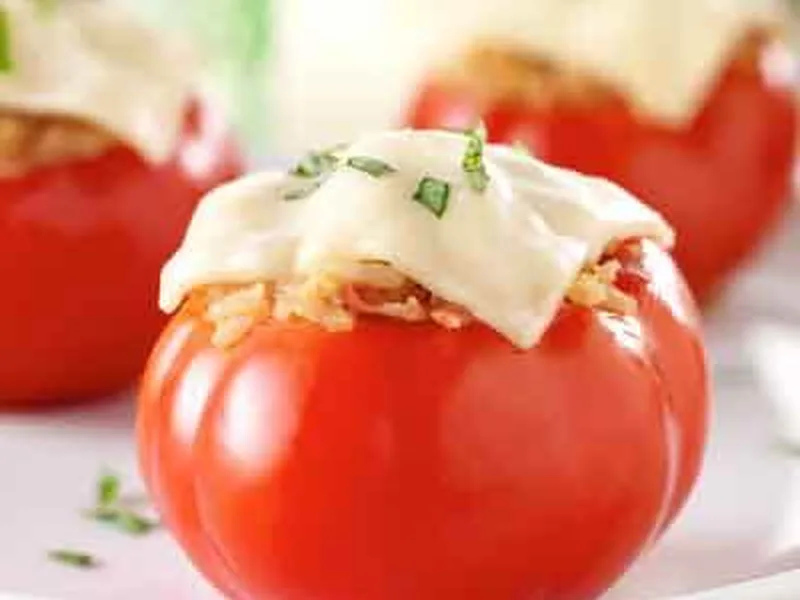
Pancetta and Risotto Stuffed Tomatoes

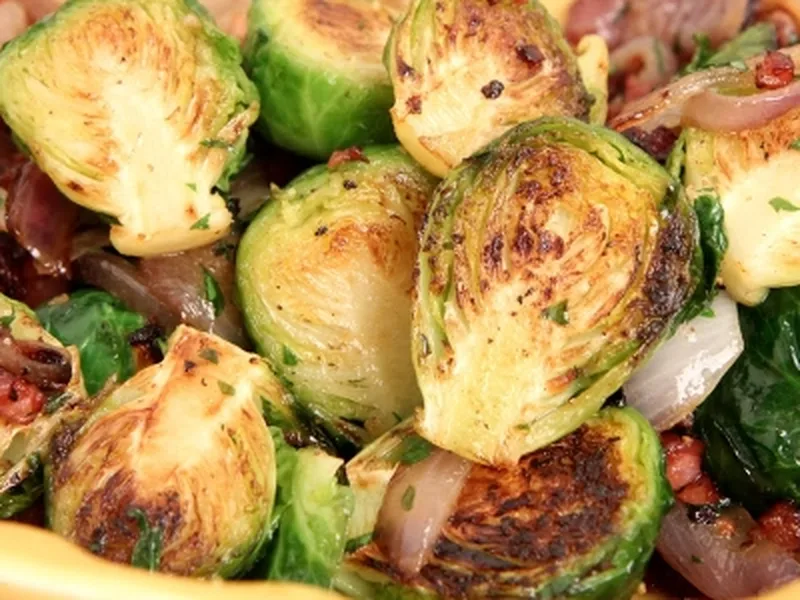
Crispy Pancetta Brussels Sprouts with Caramelized Onions

Classic Italian Butter Cookies with Star Piping

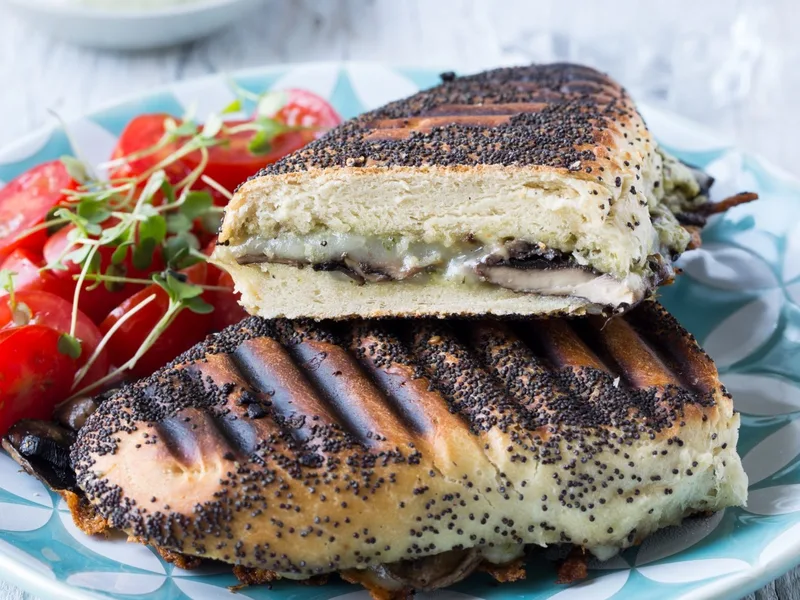
Cheesy Wild Mushroom Panini with Pesto Mayo

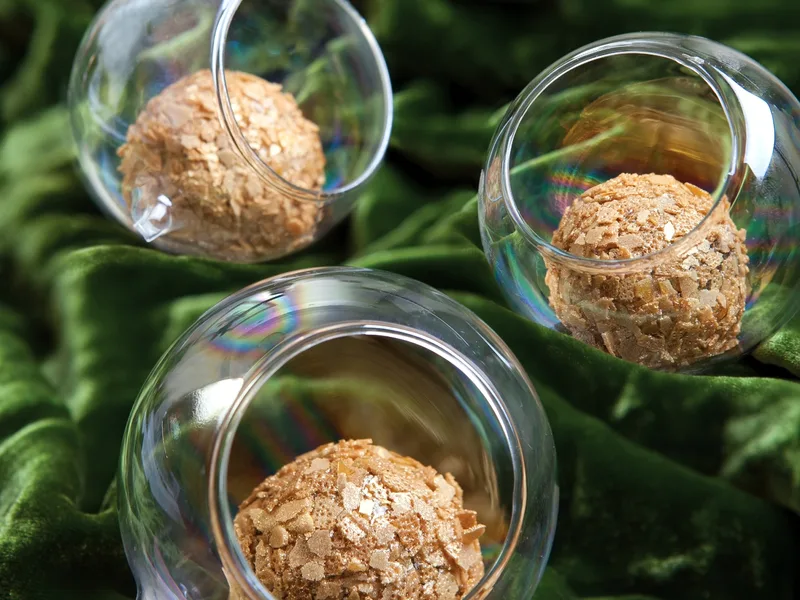
Homemade Ferrero Rocher Chocolate Hazelnut Truffles

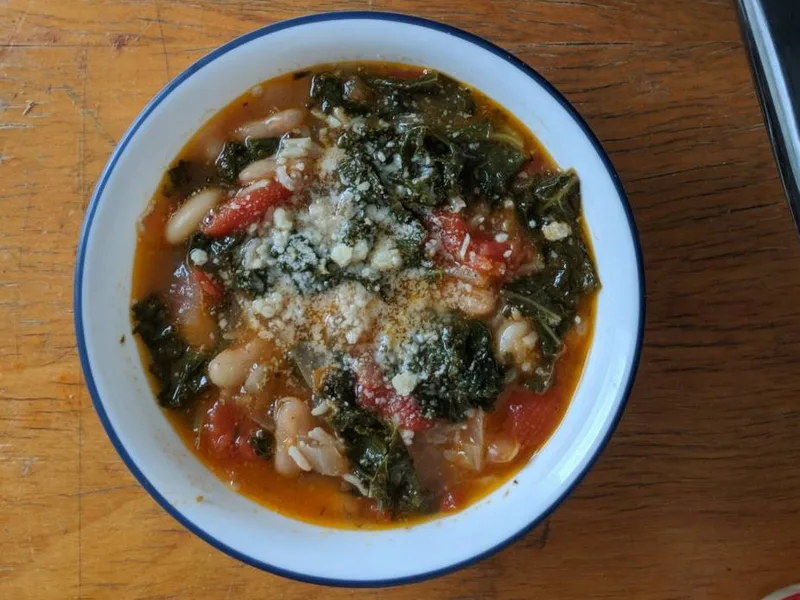
Hearty Kale White Bean Tomato Soup with Garlic and Herbs

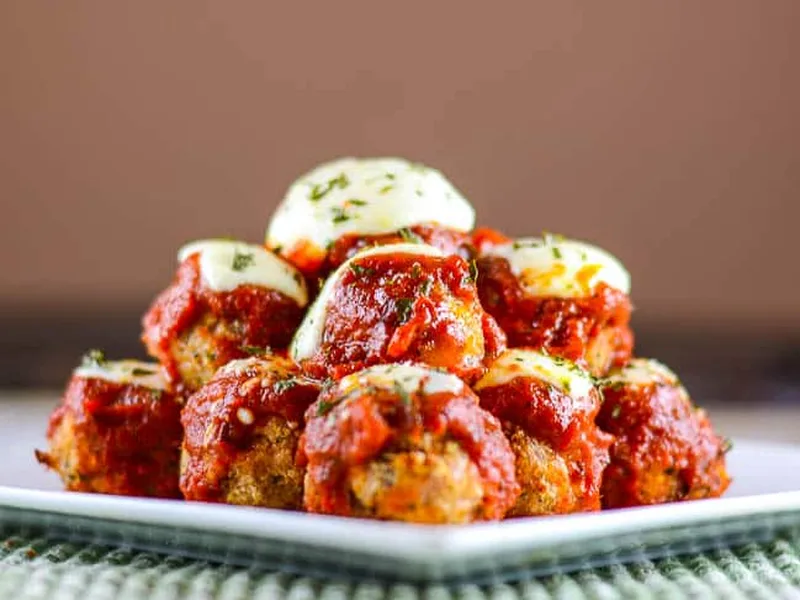
Baked Chicken Parmesan Meatballs with Italian Seasoning

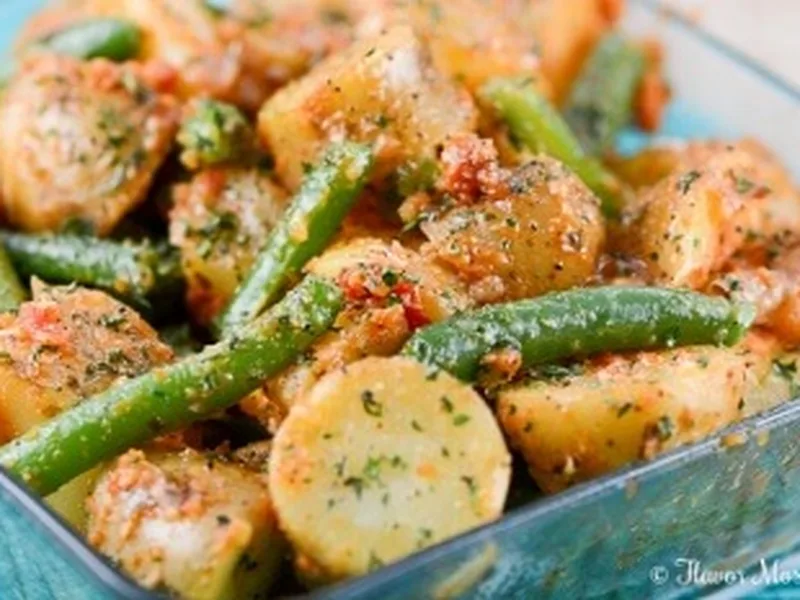
Steamed Green Bean Potato Salad with Sun-Dried Tomato Pesto

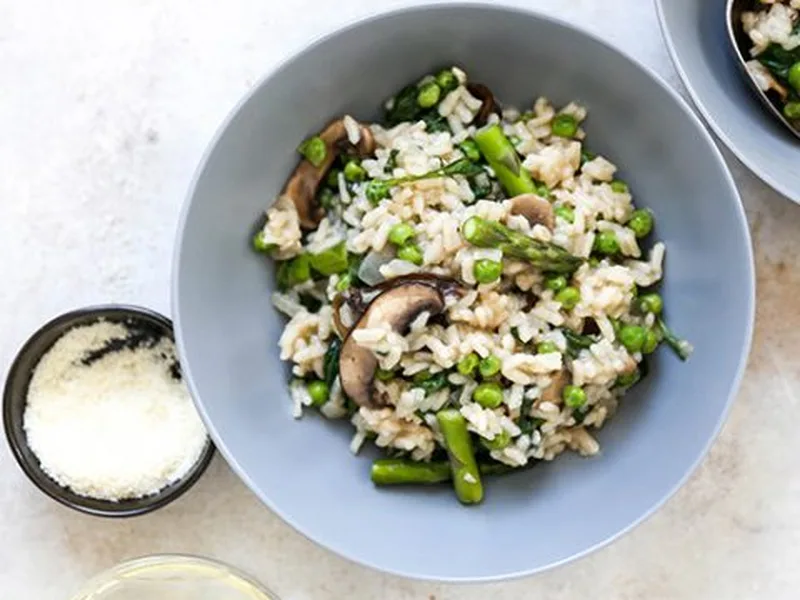
One-Pot Baked Spring Vegetable Risotto with Mushrooms

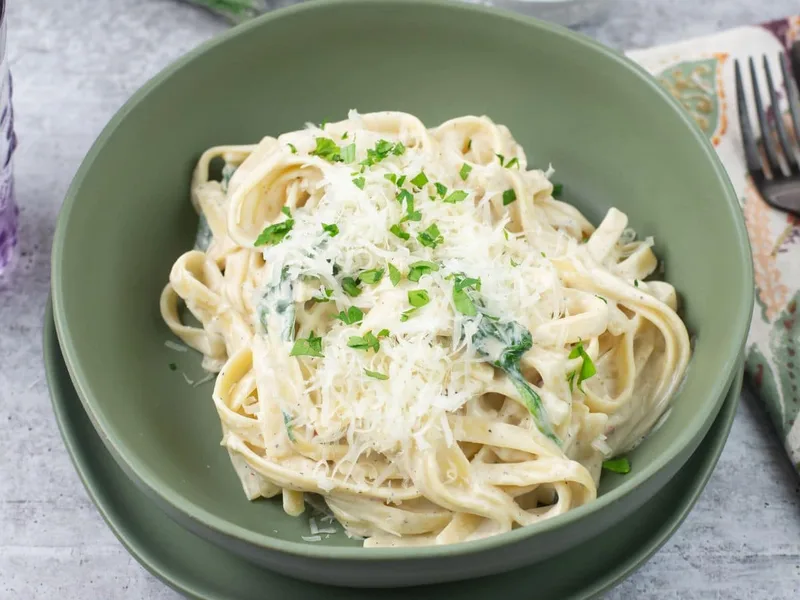
Cream Cheese Alfredo Sauce with Garlic and Parmesan

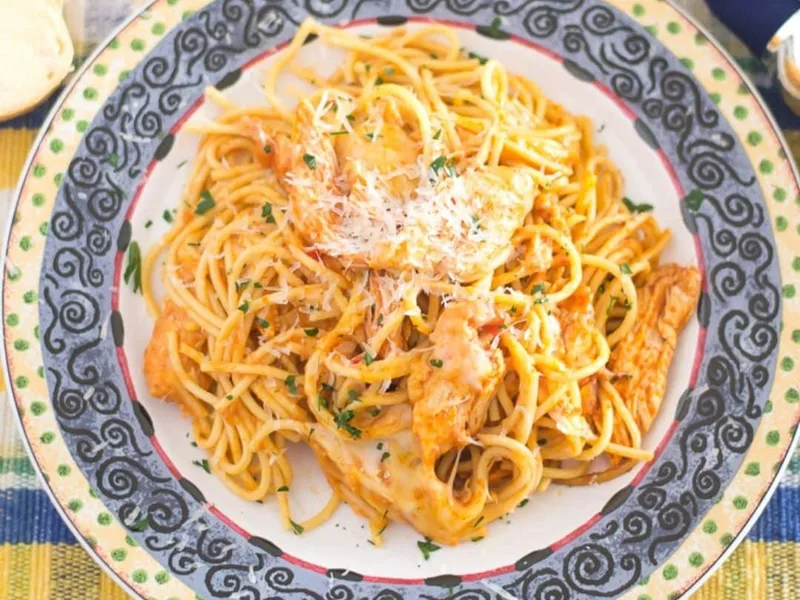
Slow Cooker Cheesy Chicken Spaghetti with Bell Peppers

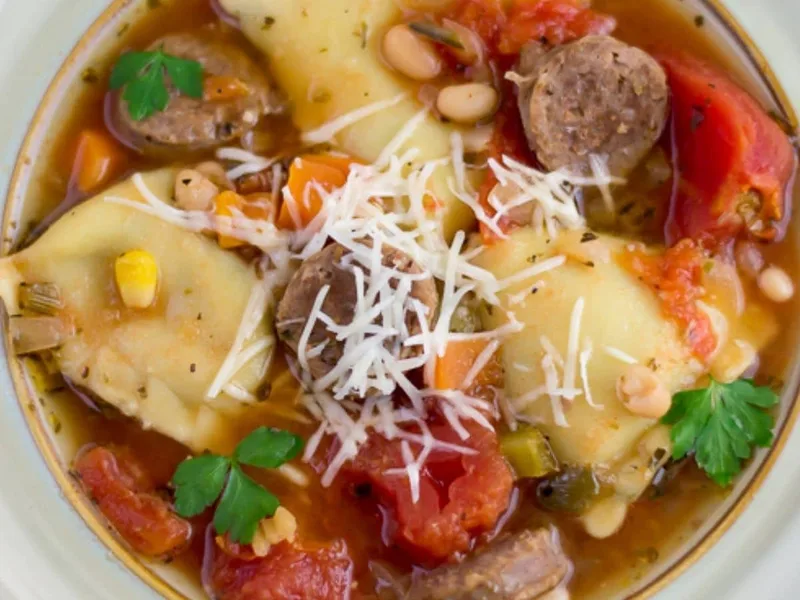
Slow Cooker Italian Sausage and Cheese Ravioli Soup

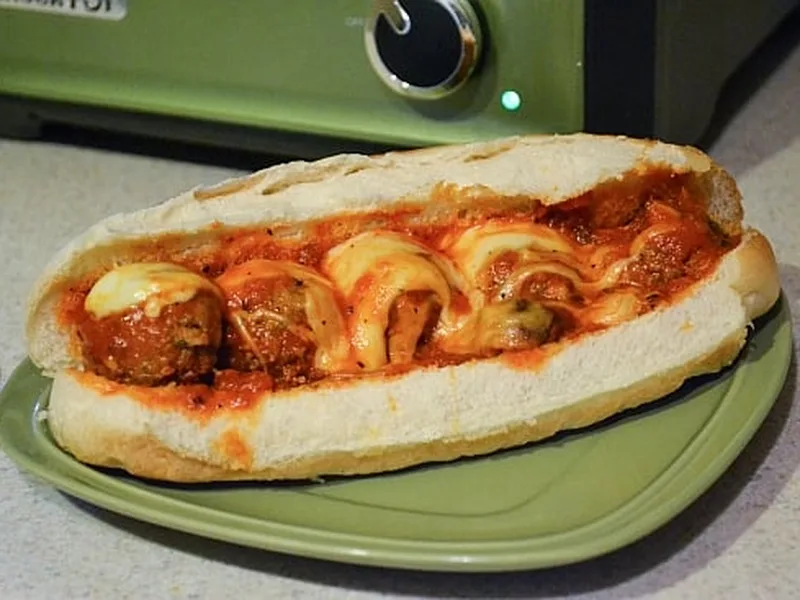
Easy Crock Pot Italian Meatball Sub Sandwiches

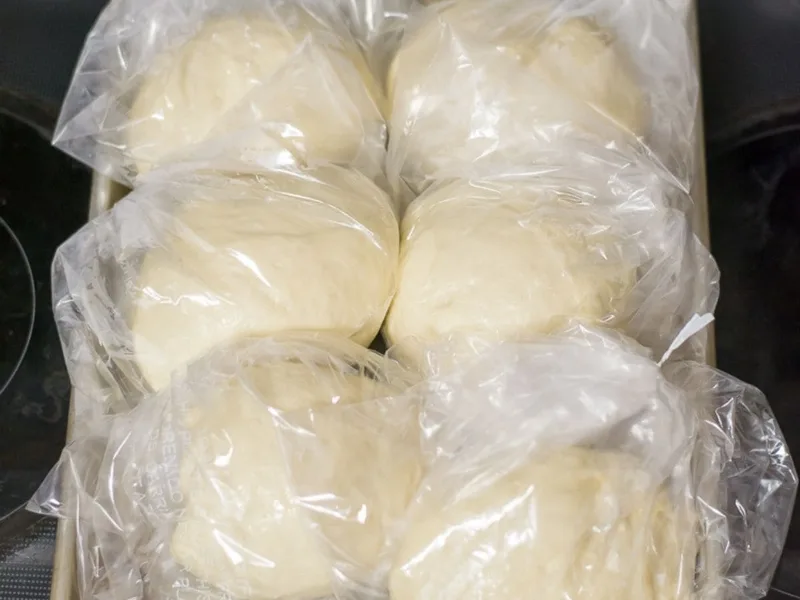
Make-Ahead Freezer Pizza Dough with Rapid Yeast

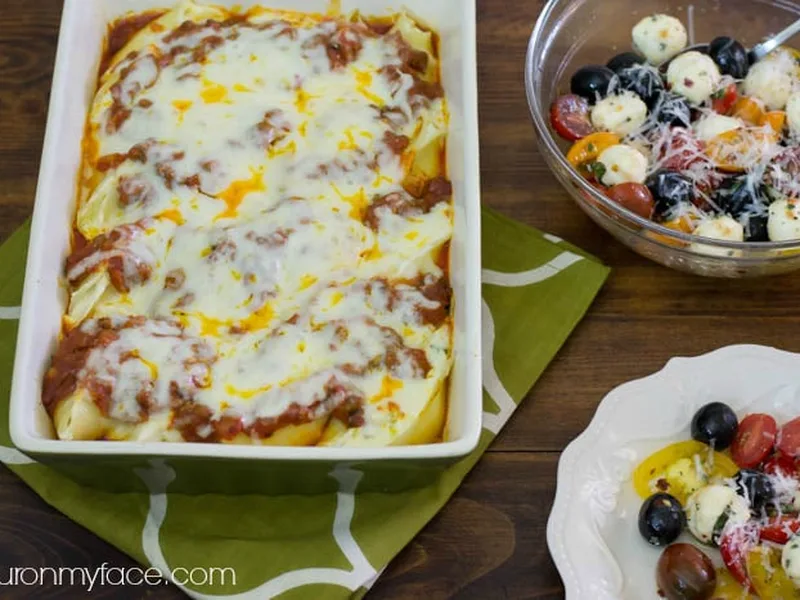
Tuscan Artichoke Stuffed Shells with Ground Beef

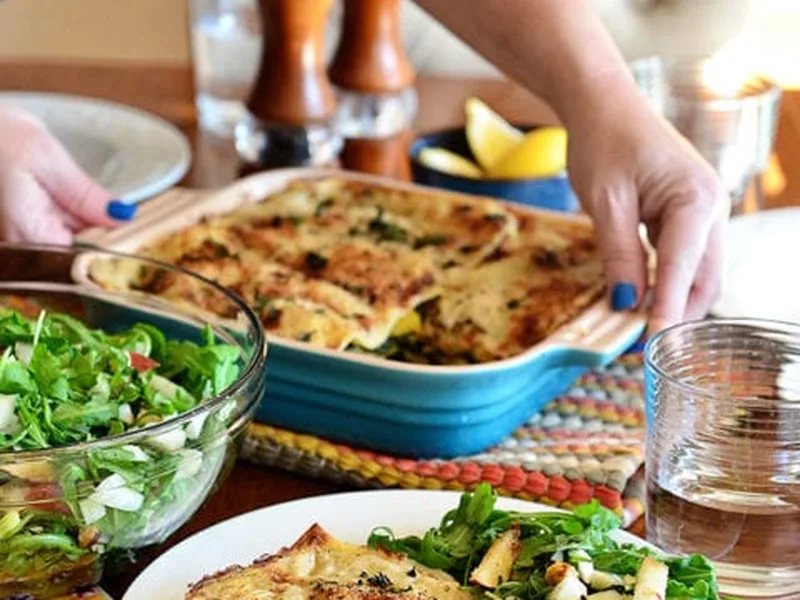
Kale and Butternut Squash Lasagna with Bechamel Sauce

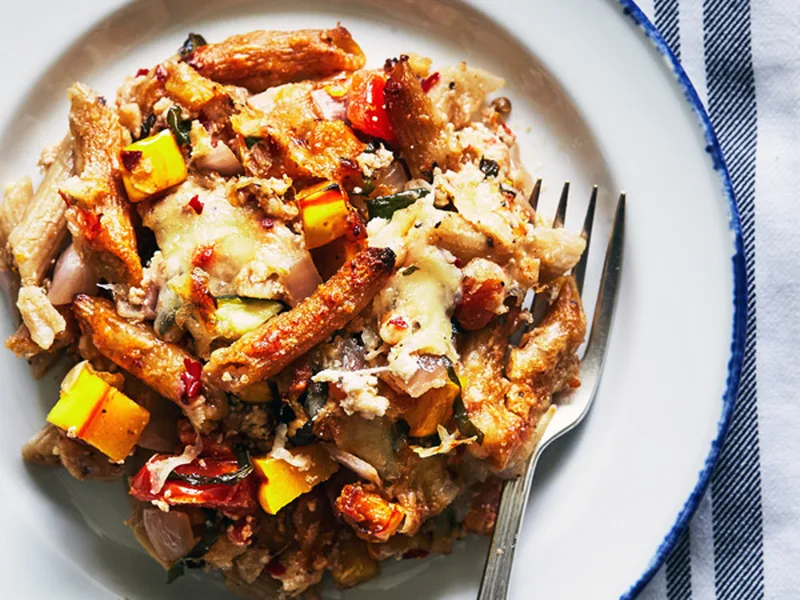
Baked Ziti with Summer Vegetables and Three Cheeses

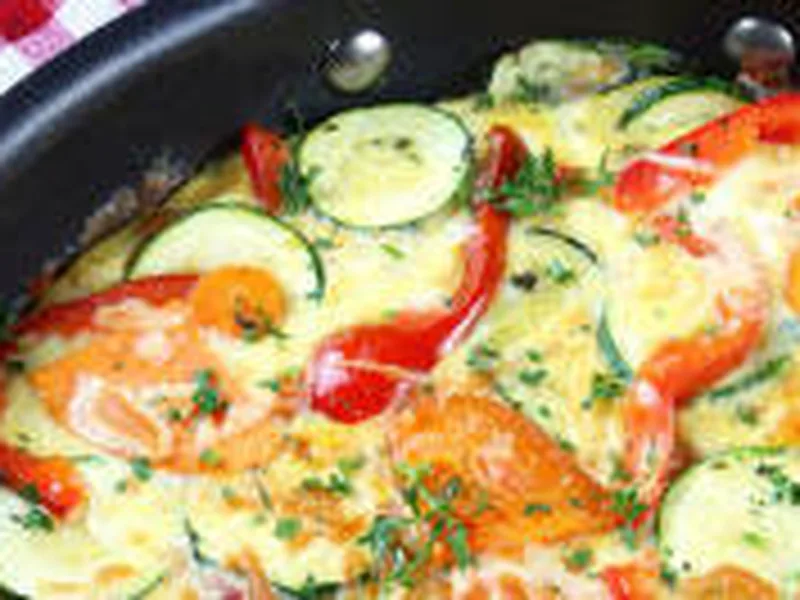
Zucchini Red Pepper Sweet Potato Frittata with Fresh Basil

Flaky Beef and Asiago Puff Pastry Pinwheels
Italian cooking centers on doing simple things perfectly. You need good olive oil, real Parmigiano-Reggiano, and San Marzano tomatoes.
The basics matter. A carbonara uses only guanciale, egg yolks, Pecorino Romano, and black pepper. No cream. Cacio e pepe needs just pasta water, cheese, and pepper to create its sauce. Aglio e olio transforms spaghetti with garlic, olive oil, and red pepper flakes in under 15 minutes.
Northern Italian dishes lean on butter, cream, and slow-cooked meat ragùs that simmer for 3-4 hours. Risotto alla milanese gets its golden color from saffron. Osso buco braises veal shanks in white wine and tomatoes.
Southern Italian food runs hotter and lighter. Olive oil replaces butter. Tomatoes show up everywhere. Pasta alla puttanesca combines anchovies, capers, olives, and garlic. Caponata stews eggplant with tomatoes, onions, and vinegar into a sweet-sour relish.
Pasta cooking demands precision. Use 4-6 quarts of water per pound. Salt it until it tastes like seawater, about 2 tablespoons per quart. Cook pasta 1-2 minutes less than the package says. Save a cup of pasta water before draining.
The pasta water contains starch that helps sauces stick. Add it by the tablespoon to adjust consistency. Toss pasta and sauce together over heat for 30-60 seconds. This technique, called mantecatura, marries them into one dish.
Pizza dough ferments 24-72 hours in the fridge for flavor and texture. Home ovens max out at 500-550F, so you need workarounds. A pizza steel preheated for 45 minutes gets closer to the 700-900F of wood-fired ovens.
Italian desserts stay simple too. Tiramisu layers coffee-soaked ladyfingers with mascarpone and cocoa. Panna cotta sets cream with gelatin. Both need 4-6 hours chilling time.
This food rewards patience and quality ingredients over complicated techniques. Master the fundamentals first. Learn to make a proper tomato sauce, cook pasta correctly, and build a risotto. Everything else follows.
Essential Ingredients
Key Techniques
FAQ
Why does my carbonara turn into scrambled eggs?
Temperature control prevents scrambling. Remove the pan from heat before adding egg mixture. The pasta should be 140-160F, hot enough to cook eggs gently but not scramble them. Toss quickly and constantly for 60-90 seconds. Add pasta water in small amounts if the mixture looks too thick. Working off heat gives you more control than keeping the pan on the burner.
How much sauce should I use per pound of pasta?
Use 1.5-2 cups of sauce per pound of pasta. Italian style uses less sauce than many Americans expect. The pasta should be lightly coated, not swimming. For oil-based sauces like aglio e olio, use 1/3 to 1/2 cup olive oil per pound. Thick ragùs need about 2 cups per pound. Always toss pasta and sauce together for 30-60 seconds before serving.
What can I substitute for expensive Italian cheeses?
Grana Padano costs 30-40% less than Parmigiano-Reggiano and works in most recipes. For Pecorino Romano, try aged Manchego or dry Jack cheese. Fresh mozzarella can replace burrata at half the price. Mascarpone substitutes include cream cheese mixed with heavy cream in a 3:1 ratio. Just avoid pre-grated cheeses, which contain anti-caking agents that prevent smooth melting.
How do I know when risotto is done?
Properly cooked risotto takes 18-25 minutes and should flow like lava when plated. Test by tilting the pan at a 45-degree angle. The risotto should slowly flow back. Individual grains need slight firmness in the center, like pasta al dente. The texture stays creamy from released starch, not from overcooking. Stop adding stock when you reach this consistency.