Slow Cooker Recipes
369 recipes
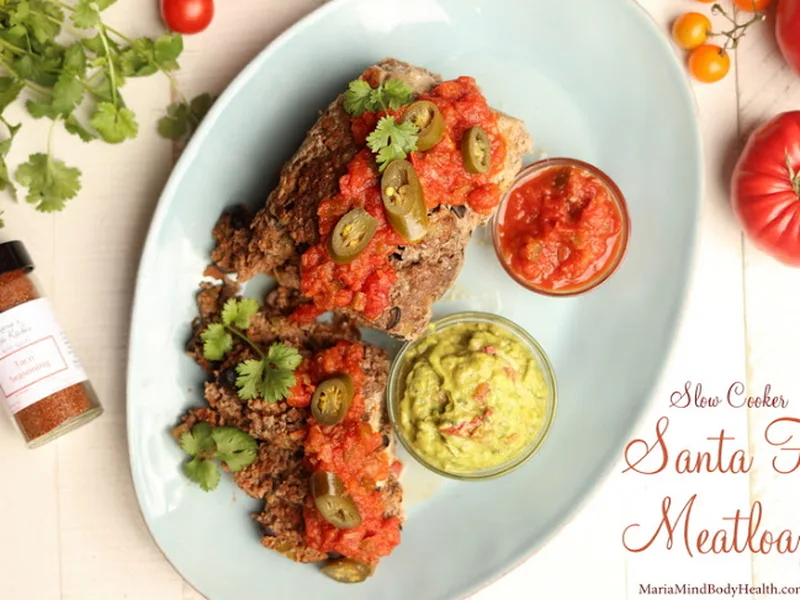
Slow Cooker Santa Fe Meatloaf with Green Chile and Salsa
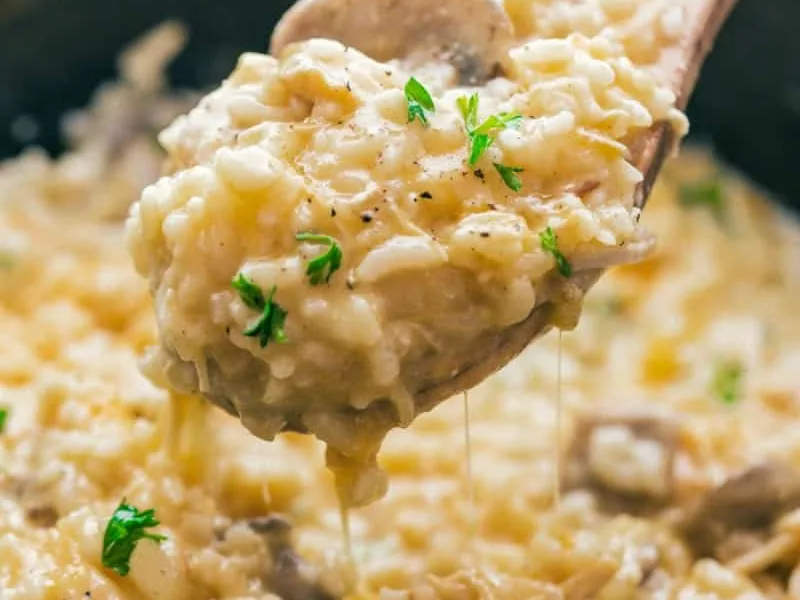
Slow Cooker Cheesy Chicken and Rice Casserole
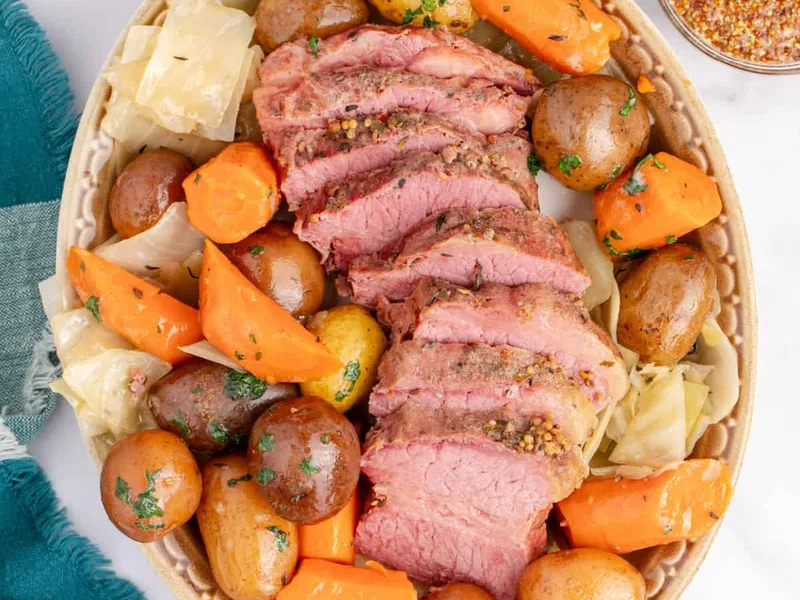
Slow Cooker Corned Beef and Cabbage with Garlic Herb Butter
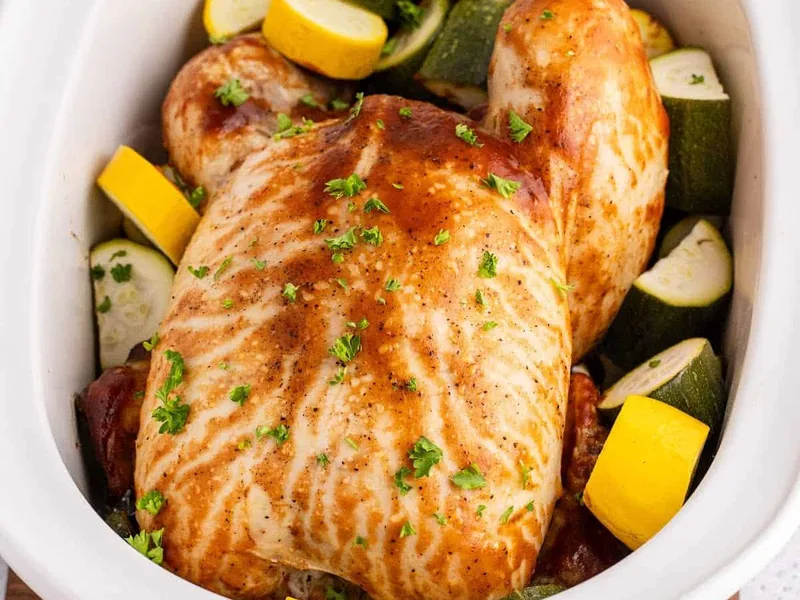
Slow Cooker Barbecue Chicken with Summer Vegetables
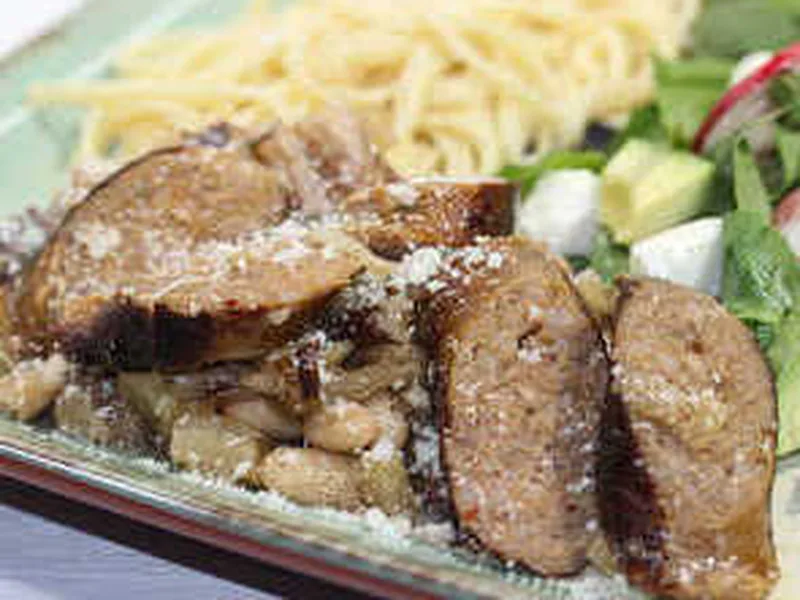
Braised Fennel & Sausage with Cannellini Beans
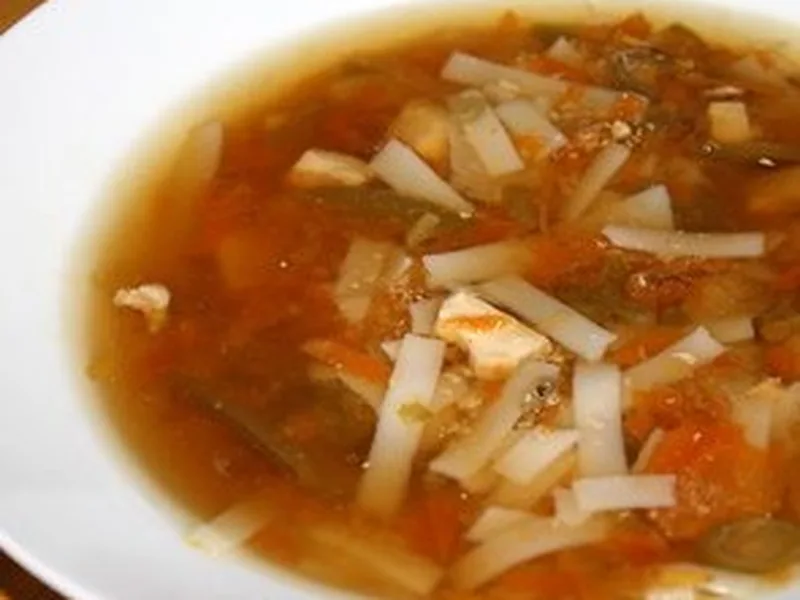
Slow Cooker Ginger Chicken Noodle Soup
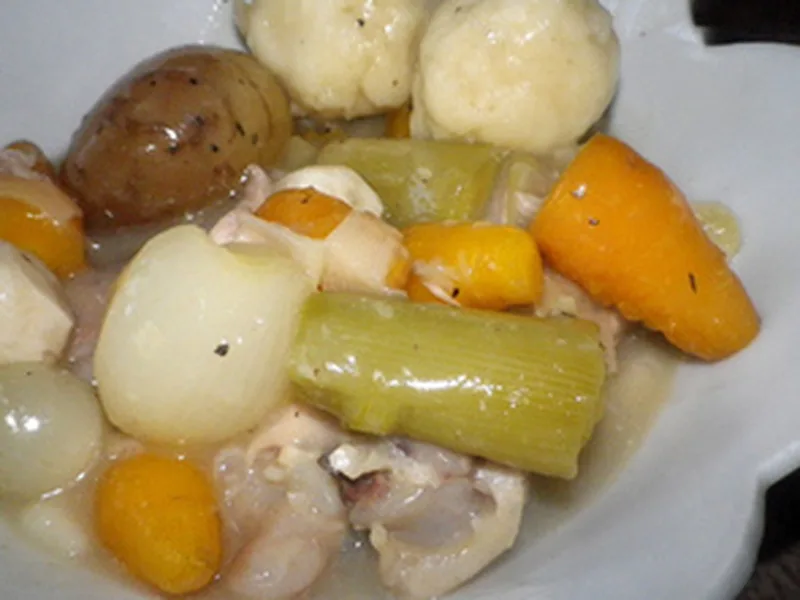
Slow Cooker Lemon Thyme Chicken Stew
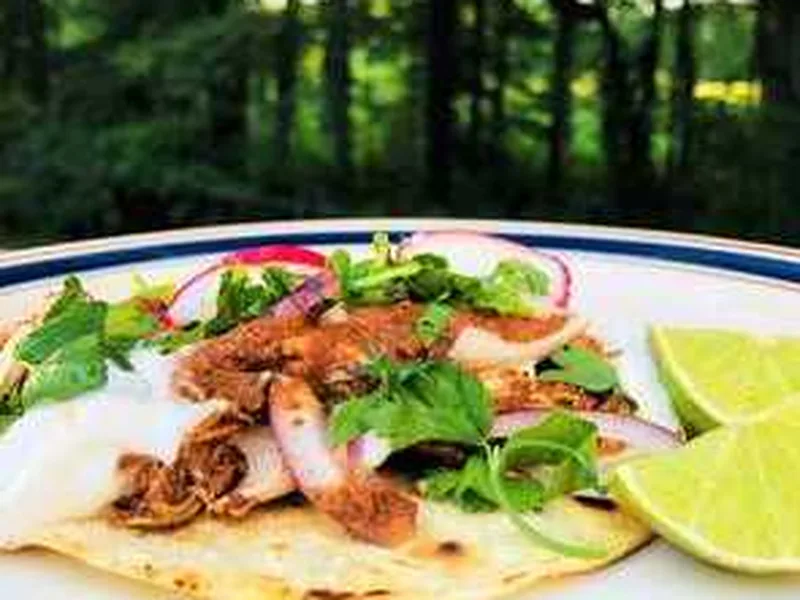
Slow Cooker Chicken Mole with Charred Tortillas
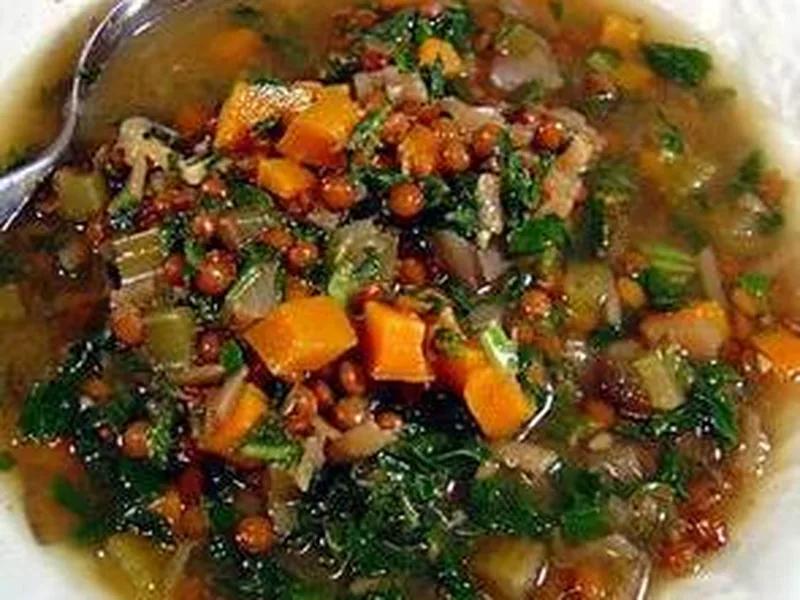
Slow Cooker Mediterranean Lentil Soup
Slow-Cooker Pulled Pork with Tangy BBQ Sauce
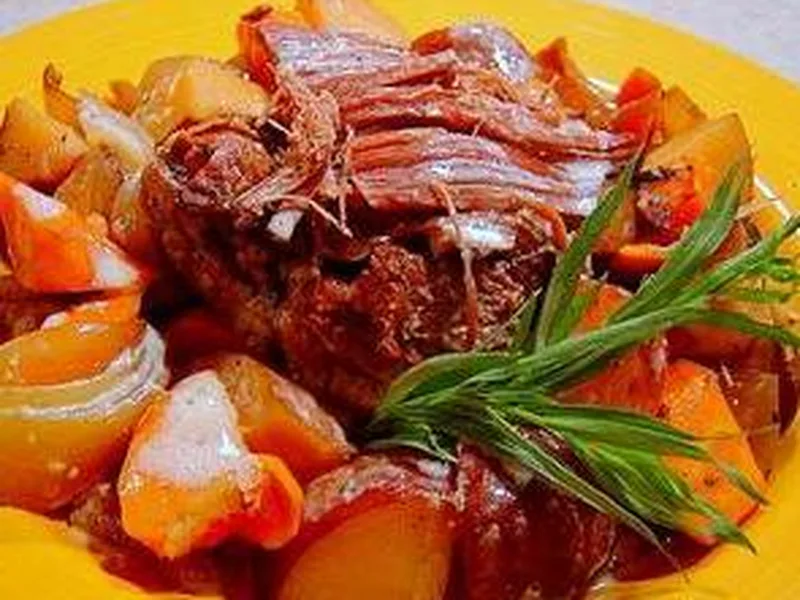
Slow Cooker Chuck Roast with Horseradish and Apple
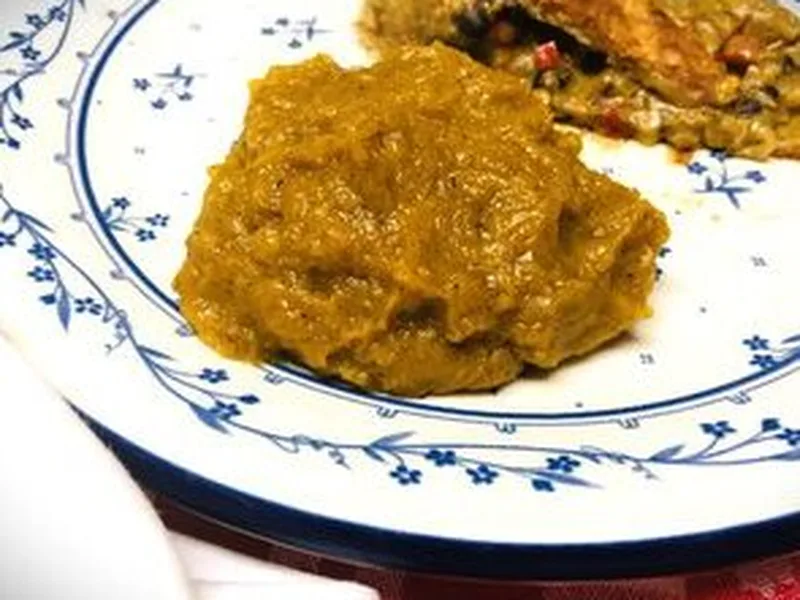
Slow Cooker Cinnamon Butternut Squash with Brown Sugar
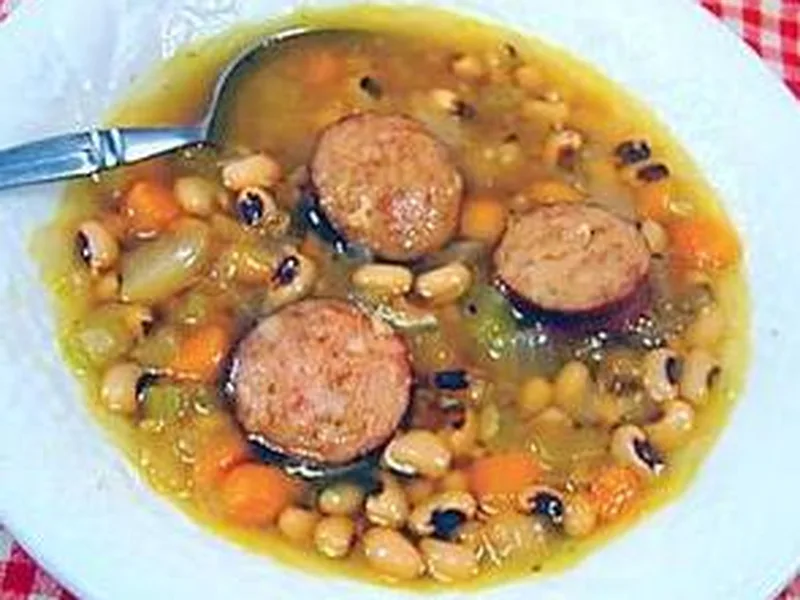
Spicy Black-Eyed Pea Soup with Smoked Sausage
Tuscan White Bean Soup with Crispy Arugula
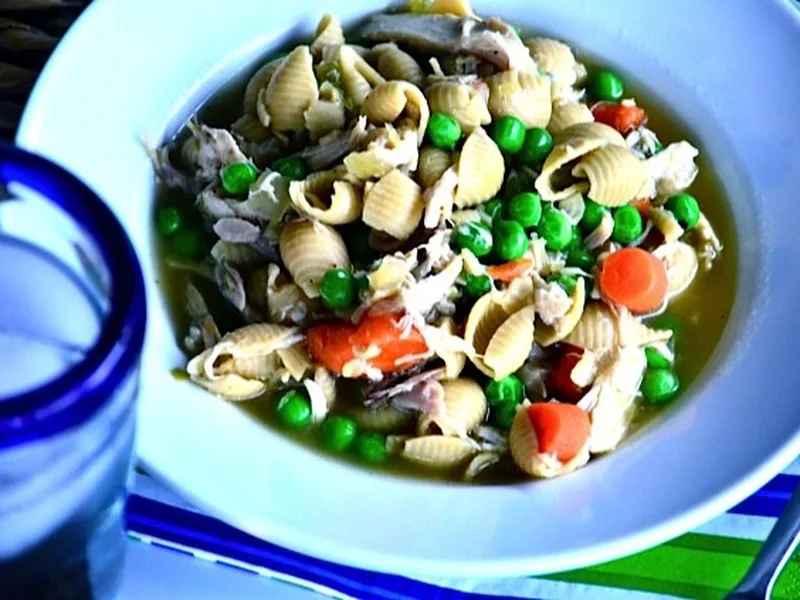
Slow Cooker Roasted Chicken Soup with Whole Grain Pasta
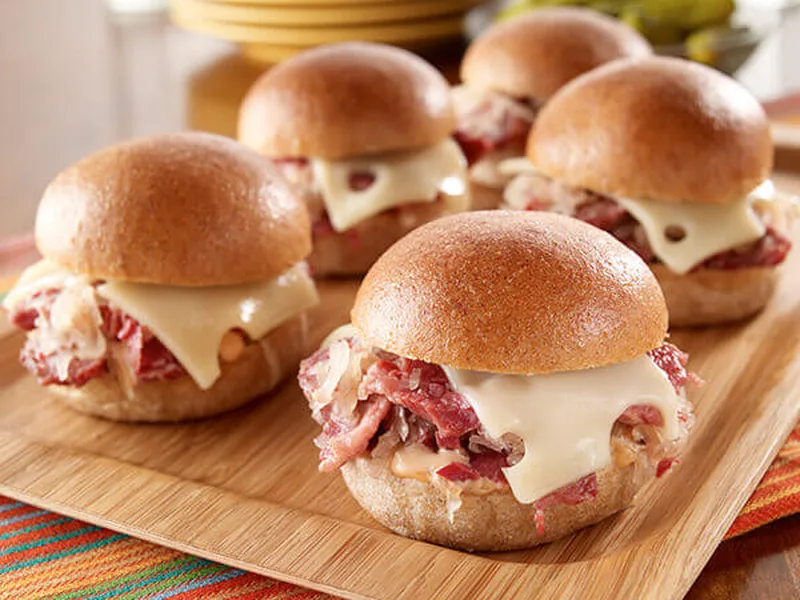
Slow Cooker Reuben Sliders with Beer-Braised Corned Beef
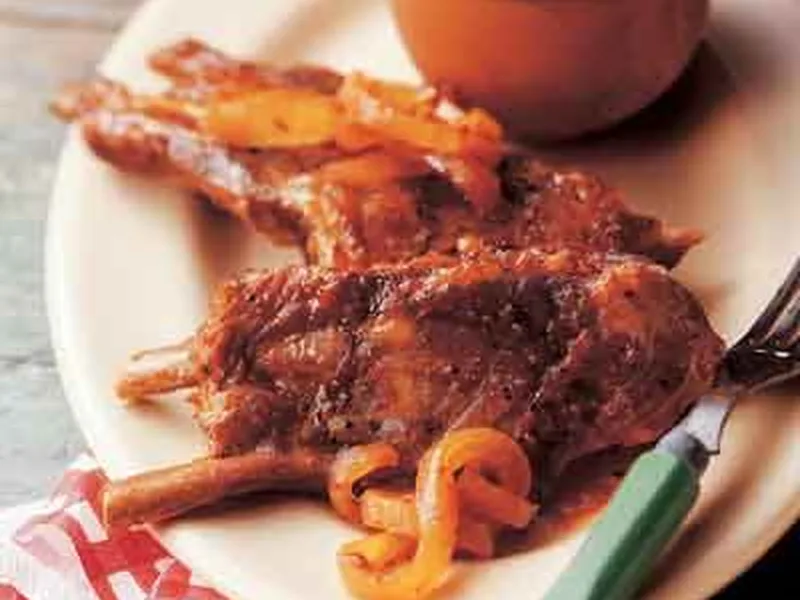
Slow Cooker Barbecued Pork Loin Ribs
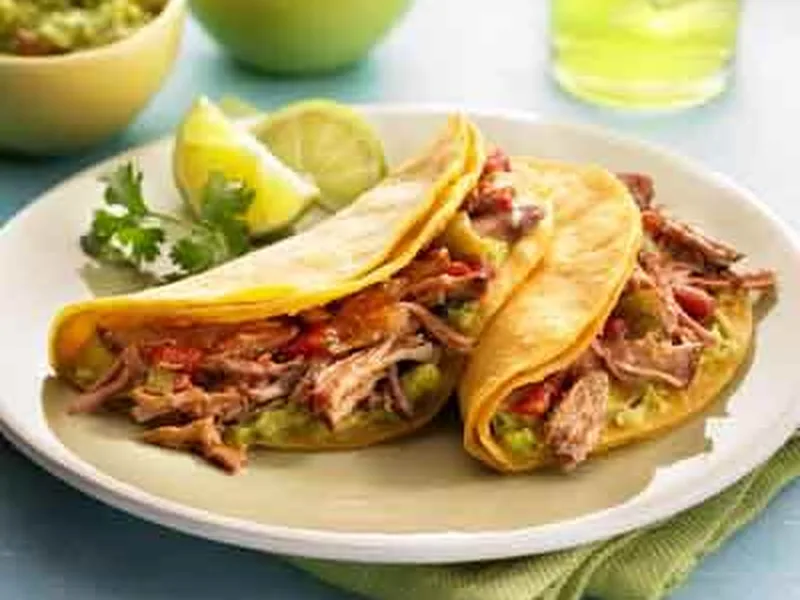
Braised Cinnamon Pork Tacos with Fire-Roasted Tomatoes
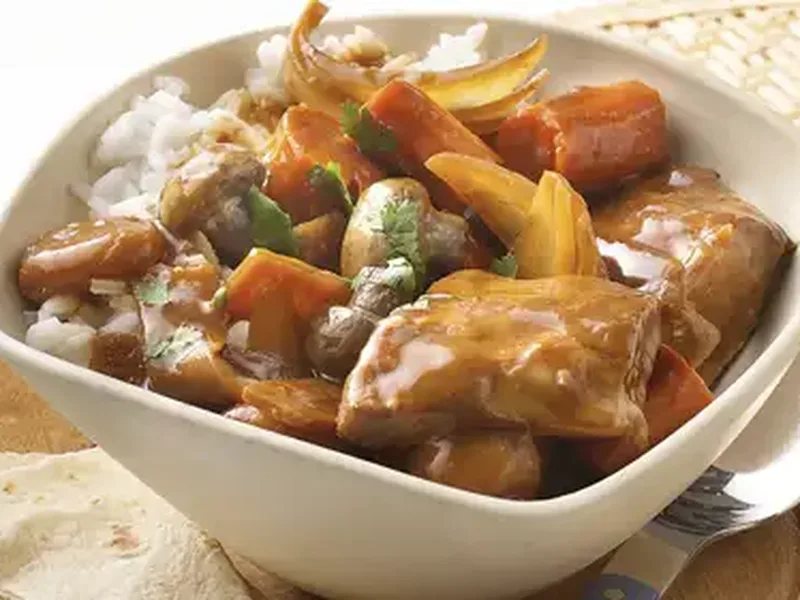
Slow Cooker Asian Pork Stew with Hoisin Sauce and Rice
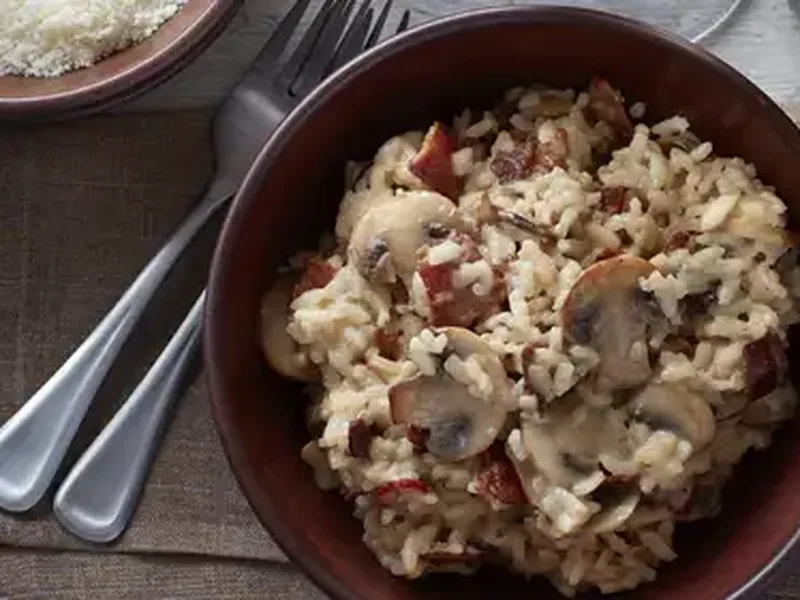
Slow-Cooker Bacon and Mushroom Risotto
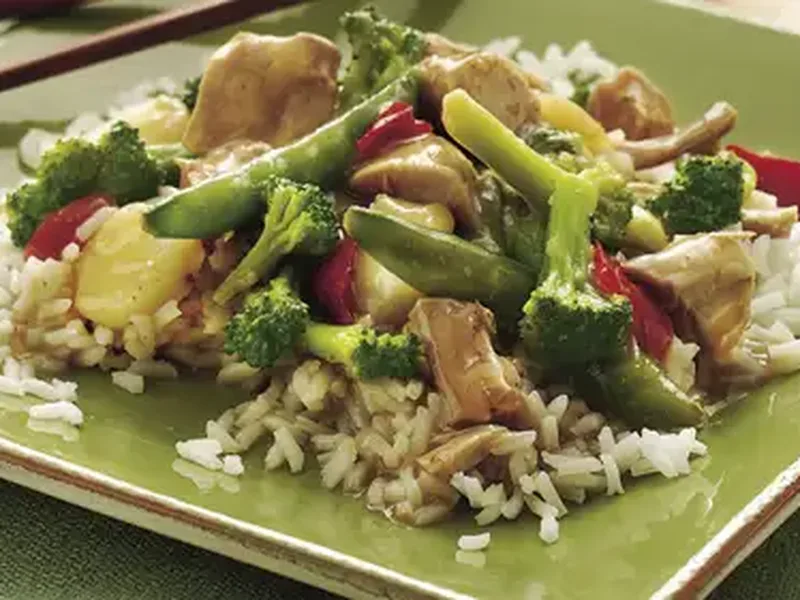
Slow-Cooker Asian Turkey and Vegetables with Teriyaki
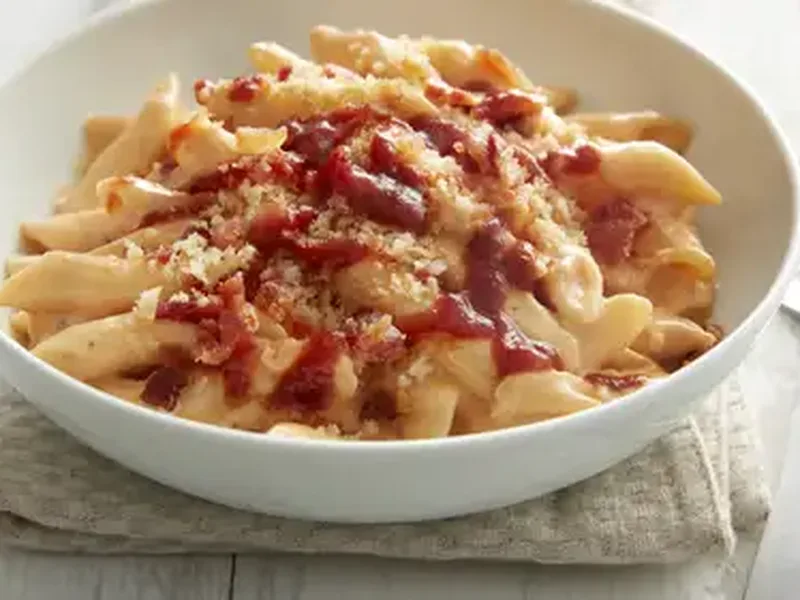
Slow-Cooker BBQ Bacon Chicken Cheddar Penne Pasta
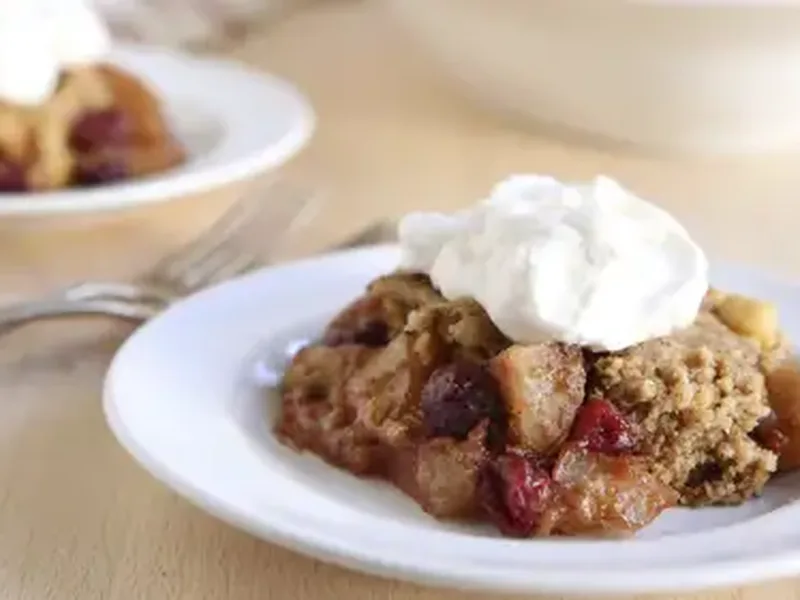
Slow-Cooker Apple-Cranberry Dump Cake with Cinnamon
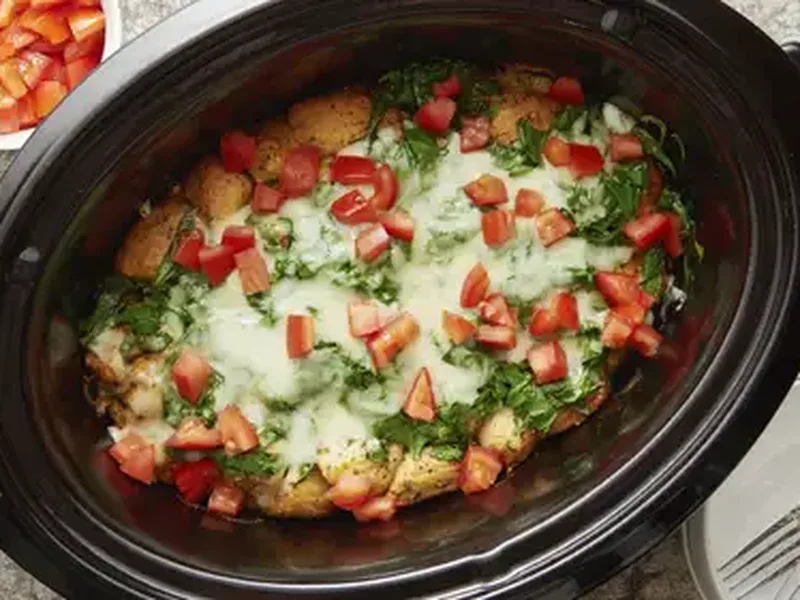
Slow-Cooker Alfredo Chicken Biscuit Pot Pie
A slow cooker does exactly what it promises: cooks food slowly at low temperatures between 170°F and 280°F. Unlike braising in your oven at 325°F, a slow cooker maintains steady heat for 4 to 10 hours without drying out your food. The sealed environment traps moisture. Your beef stew ingredients release liquid that turns to steam, condenses on the lid, then drips back down. This cycle repeats for hours.
Pick this method when you want tender meat from tough cuts like chuck roast or pork shoulder. The long cook time breaks down connective tissue that would stay chewy with faster methods. A 3-pound chuck roast needs 8 hours on low to shred with a fork. The same roast in a 400°F oven stays tough after 2 hours.
Slow cookers beat other methods for convenience. Load ingredients at 8 AM, leave for work, return to finished dinner at 6 PM. No stirring needed. The heating element wraps around the sides, not just the bottom, so food won't scorch. Compare that to stovetop braising where you check liquid levels every 30 minutes.
Most recipes follow the same pattern. Brown meat first in a skillet for better flavor, though you can skip this step. Layer hard vegetables like carrots on the bottom since they cook slower than meat. Add liquid to reach halfway up the ingredients. Too much liquid gives you watery results because slow cookers don't allow evaporation like uncovered pots.
Expect fork-tender meat, soft vegetables, and concentrated flavors. Soups and stews taste like they simmered all day because they did. Tough vegetables like beets turn silky after 6 hours. Even bacon crisps up when you drape strips over a foil-wrapped ramekin for 2 hours on high.
Equipment
FAQ
What's the difference between low and high settings?
Low maintains 190°F to 200°F while high reaches 280°F to 300°F. A recipe that takes 8 hours on low finishes in 4 hours on high. Low gives more tender results for tough meats. High works better for chicken breasts that dry out during extended cooking. Both settings eventually reach the same maximum temperature. The difference lies in how fast they get there.
Can I convert oven recipes to slow cooker?
Yes, but reduce liquid by 50% since slow cookers trap steam. A beef stew calling for 4 cups of broth needs only 2 cups in a slow cooker. For timing, 15 to 30 minutes in the oven equals 4 to 6 hours on low or 1.5 to 2 hours on high. Oven temperatures of 325°F to 375°F convert to either slow cooker setting.
Why does my food taste bland from the slow cooker?
Slow cooking dilutes seasonings over long cook times. Use 25% more herbs and spices than stovetop recipes suggest. Add fresh herbs during the last 30 minutes since dried herbs lose potency after 4 hours. Salt at the end because it concentrates as liquid reduces. Brown meat and sauté onions first to build flavor layers that plain slow cooking can't create.
Should I stir food during cooking?
No, lifting the lid drops the temperature by 10°F to 15°F and adds 20 minutes to cook time. Each peek extends cooking. The sealed environment needs steady heat to work properly. Only lift the lid when adding ingredients in the final hour or checking doneness. Trust the process for the first 75% of cook time.