Moroccan Recipes
15 recipes

Moroccan Spiced Lentils with Baked Sweet Potatoes
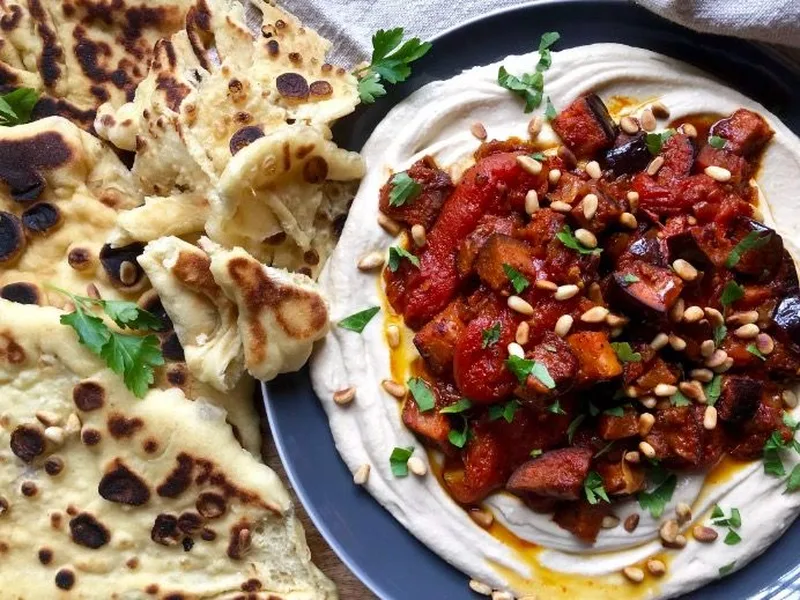
Moroccan Roasted Eggplant with Saffron Tomato Stew
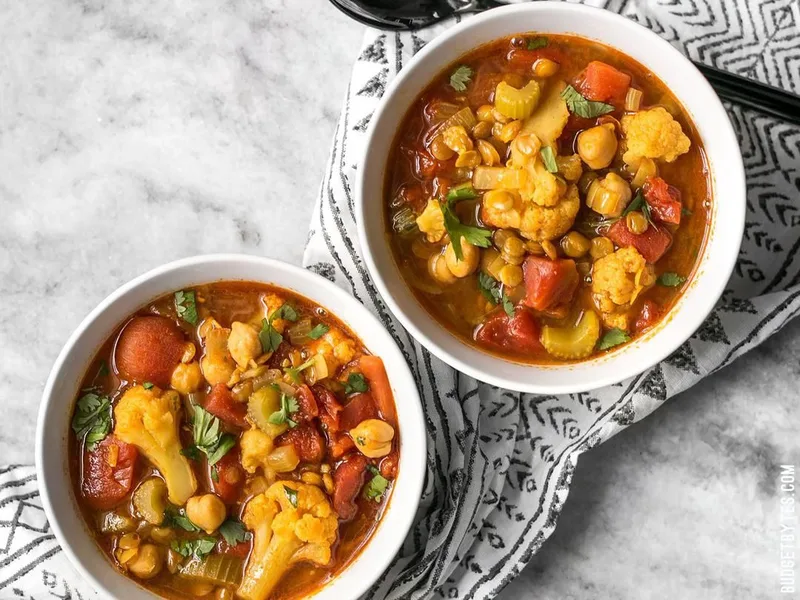
Moroccan Spiced Lentil and Chickpea Stew
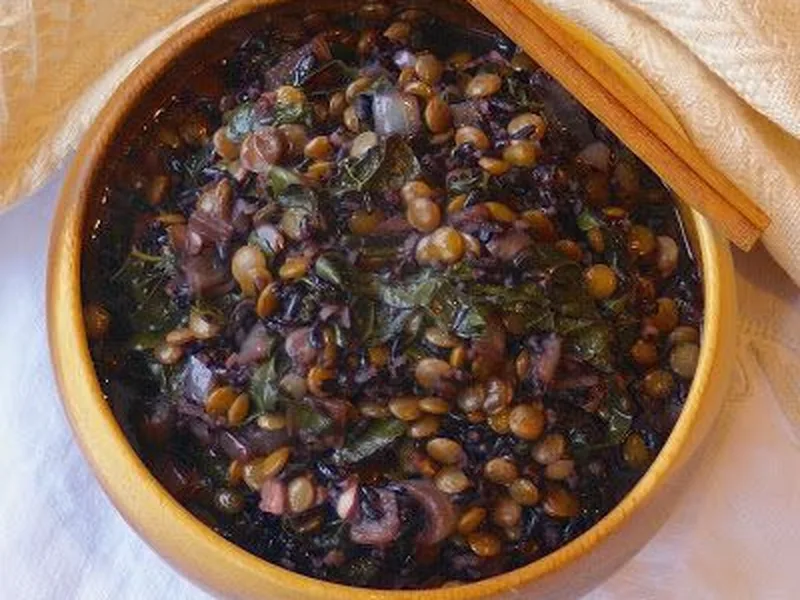
Moroccan Spiced Lentils and Black Rice
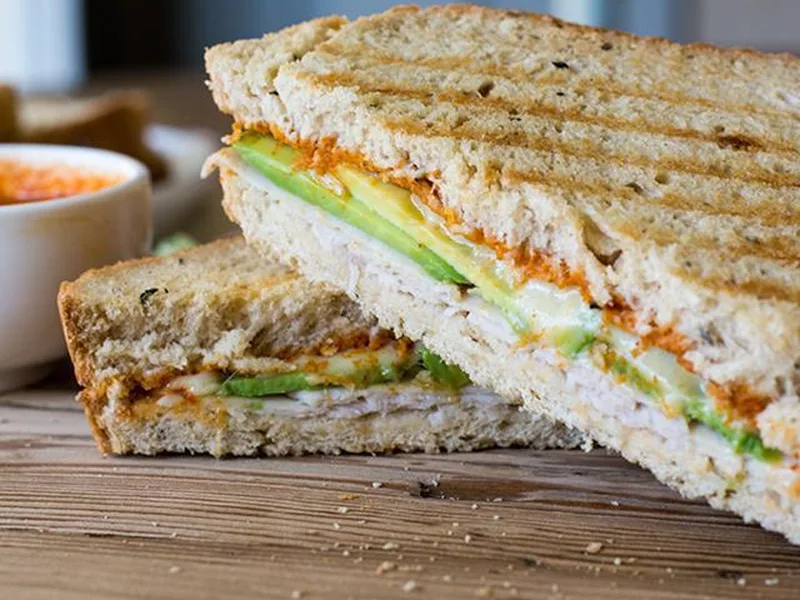
Harissa Avocado Turkey Panini with Chipotle Spread
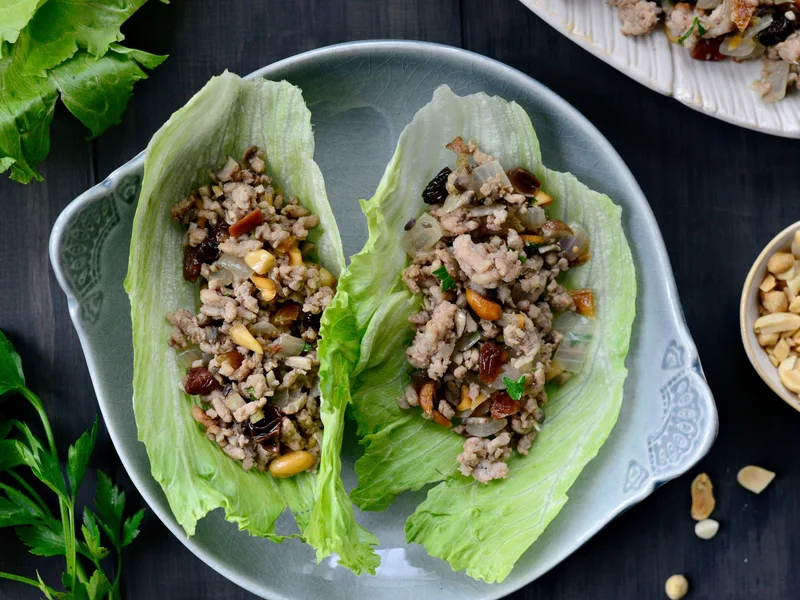
Moroccan Spiced Turkey Lettuce Wraps
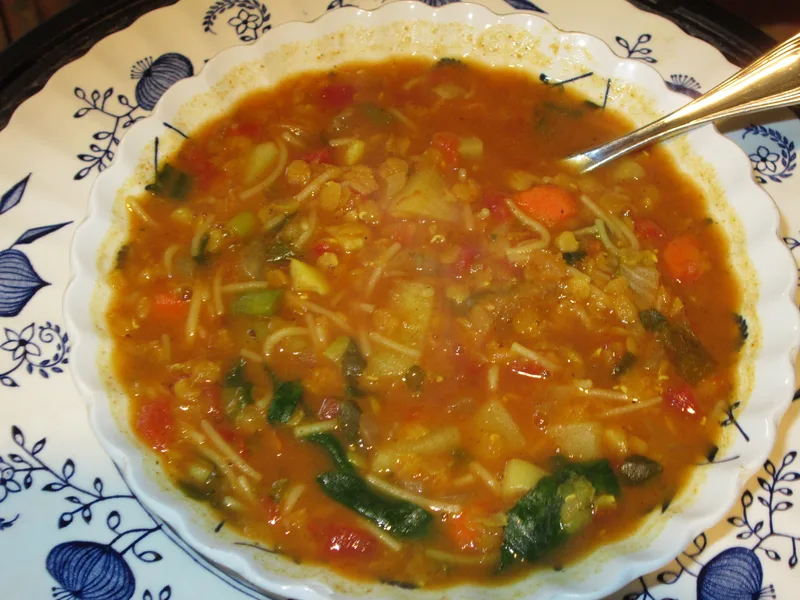
Moroccan Lentil Soup with Yogurt and Egg Noodles
Meltingly Tender Moroccan Eggplant with Ras El Hanout
Moroccan Roasted Cauliflower Chickpea Bowls

Moroccan Spiced Carrot Salad with Harissa and Fresh Herbs
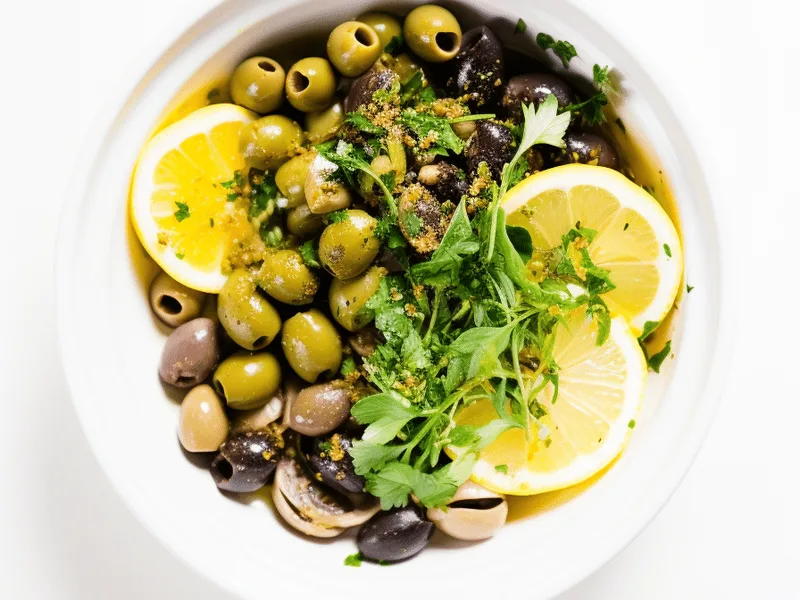
Keto Vegan Moroccan Spiced Olives with Cumin and Paprika
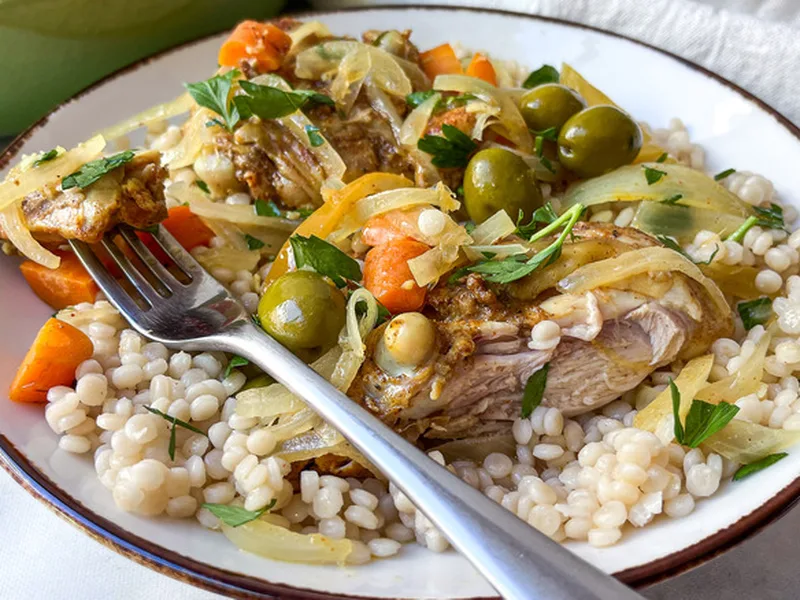
One-Pan Chicken Tagine with Preserved Lemon
Moroccan Spiced Green Olives with Cumin and Citrus
Mary Berry Moroccan Spiced Couscous Summer Salad
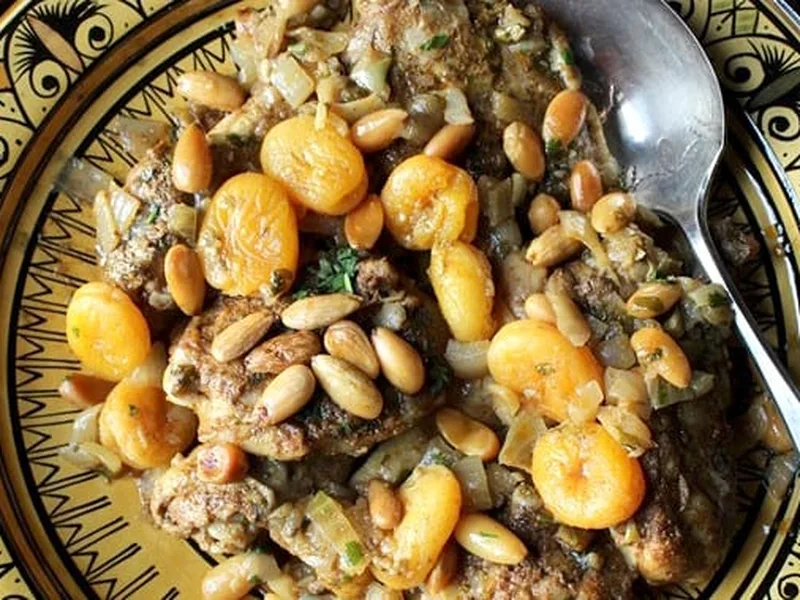
Moroccan Chicken Tagine with Caramelized Apricots and Almonds
Moroccan cooking revolves around the tagine pot. Clay or ceramic, conical lid, slow cooking at 325F for 2-3 hours. That's the foundation.
Spice matters more than heat here. You'll layer ground cumin (1-2 teaspoons per pound of meat), cinnamon (1/2 teaspoon), ginger (1/2 teaspoon), and coriander (1 teaspoon) into almost every savory dish. These four spices show up in 85% of traditional recipes. Toast them first in a dry pan for 30 seconds until fragrant.
Sweetness balances the spices. Dried apricots, dates, and prunes go straight into tagines with lamb or chicken. Add them during the last 45 minutes of cooking. Honey appears in both savory dishes and desserts, typically 2-3 tablespoons per recipe.
Moroccan cooks build flavor in stages. First, brown meat in olive oil at medium-high heat. Then soften onions until translucent, about 8 minutes. Add spices, cook 1 minute. Pour in liquid, reduce heat to low, cover, and let time do the work.
Olives define many dishes. Green or purple, always brined, added whole during the final 20 minutes. Preserved lemons bring salt and funk. Quarter them, scrape out the pulp, use only the rind.
Couscous serves as the base for most meals. The instant kind works fine. Use a 1:1 ratio of couscous to boiling liquid. Cover, let sit 5 minutes, fluff with a fork. For more flavor, use chicken stock instead of water.
Bread replaces forks in traditional eating. Khobz, a round flatbread, tears easily for scooping. Many home cooks now use pita as a substitute.
This food suits patient cooks who plan ahead. Most recipes need 90-120 minutes total, with 20 minutes active work upfront. The rest is waiting while flavors meld. Perfect for weekend cooking or make-ahead meals that reheat beautifully.
Moroccan cuisine works for anyone tired of bland chicken dinners. You already have most spices in your cabinet. The techniques transfer to any braised dish. Start with a basic chicken tagine with olives and preserved lemons, then branch out to lamb with apricots or vegetable versions with chickpeas.
Essential Ingredients
Key Techniques
FAQ
Can I make tagine without a tagine pot?
Dutch ovens work perfectly. Use the same temperatures (325F) and cooking times (2-3 hours). The conical lid of a tagine returns moisture to the dish, so add 1/4 cup extra liquid to compensate. Keep the lid on throughout cooking. Cast iron holds heat best, matching traditional clay tagines.
What can I substitute for preserved lemons?
Mix the zest of 2 lemons with 1 tablespoon salt and let sit 30 minutes. Add this mixture plus 2 tablespoons fresh lemon juice to your dish. Real preserved lemons ferment for 30 days, developing deeper flavor, but this quick substitute provides similar brightness and salt. Never use regular lemon slices as replacement.
How much harissa is too much?
Start with 1 teaspoon per pound of meat or 4 servings of vegetables. Most brands range from 2,000-8,000 Scoville units (jalapeño level). Taste after cooking, then add more in 1/2 teaspoon increments. Remember it intensifies during cooking. Traditional Moroccan food emphasizes warmth, not burning heat.
Why does my couscous turn out mushy?
You're using too much liquid or letting it sit too long. Stick to exactly 1:1 ratio of couscous to boiling liquid. After adding liquid, cover immediately and remove from heat. Let stand exactly 5 minutes, then fluff with fork. Never stir while steaming. For firmer texture, reduce liquid to 3/4 cup per cup of couscous.