Turkish Recipes
5 recipes
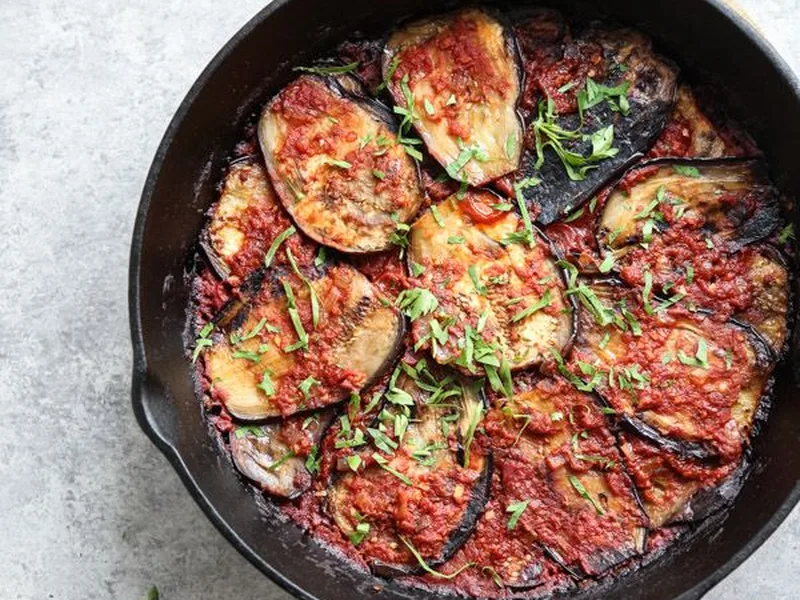
Turkish Eggplant Casserole with Tomato Sauce
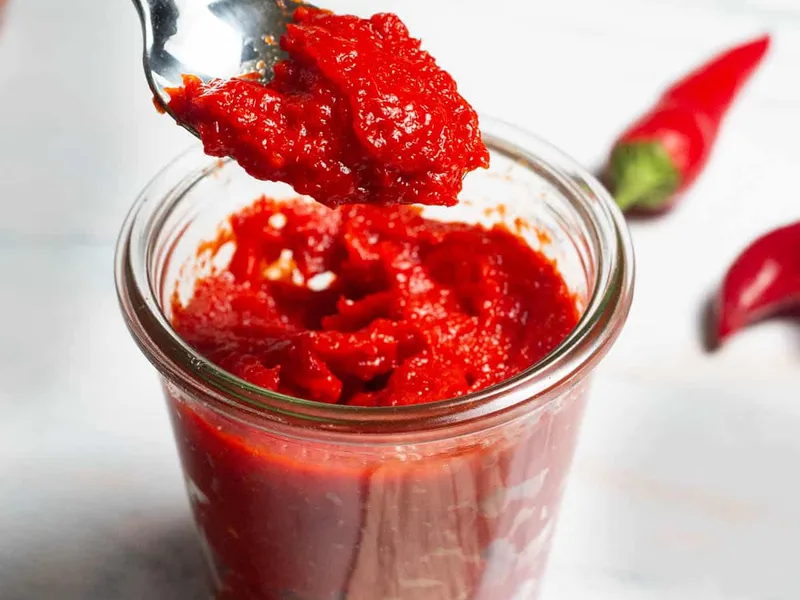
Turkish Red Pepper Paste (Biber Salçası)
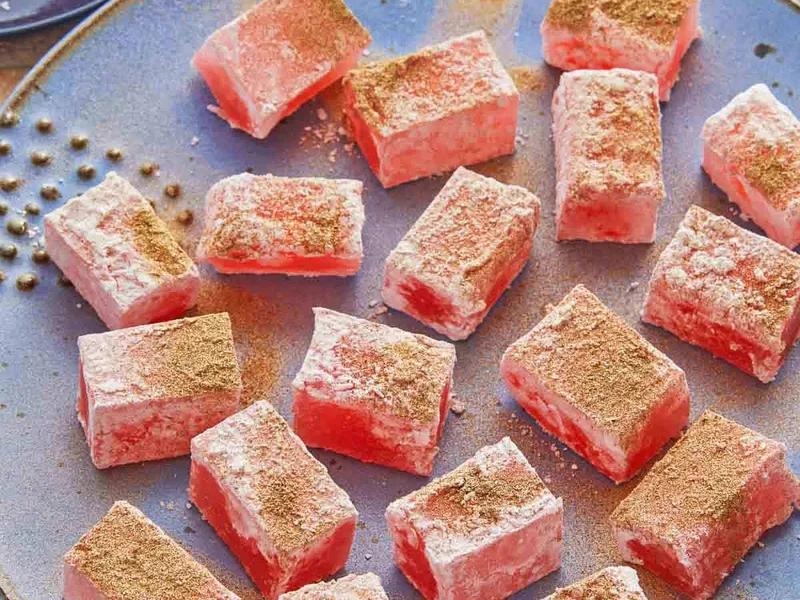
Homemade Turkish Delight with Rose Water and Cornstarch
Oven-Baked Leek and Potato Frittata with Feta
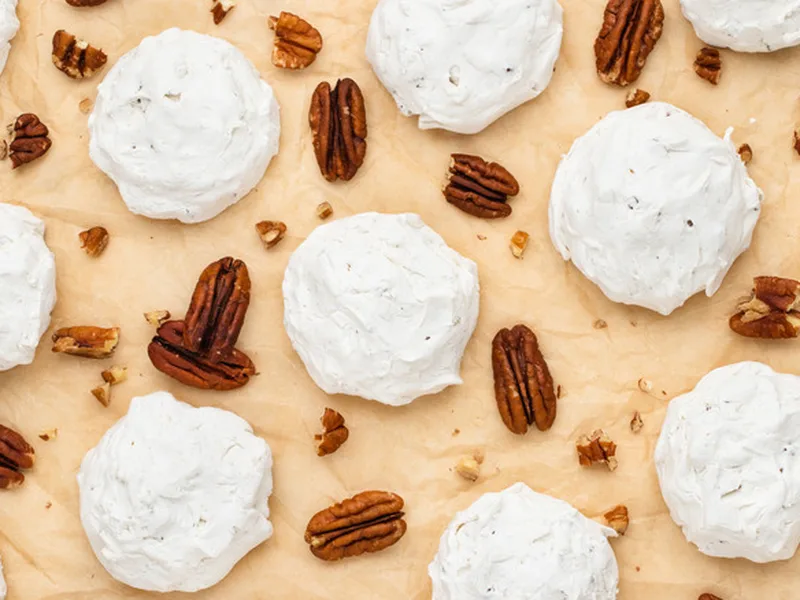
Southern Divinity Candy with Pecans and Vanilla
Turkish cooking balances simple ingredients with careful technique. Every meal revolves around bread, fresh herbs, and olive oil.
Bread appears at every table. Pide needs 500F heat for 12 minutes. Simit bakers start at 4am, shaping rings with 2 tablespoons of molasses water. Home cooks buy flatbreads daily or make yufka dough with 3 cups flour to 1 cup warm water.
Breakfast means cheese, olives, tomatoes, and eggs. Menemen scrambles 4 eggs with 2 diced tomatoes and green peppers over medium heat for 8 minutes. Börek layers require 40 sheets of yufka. Each sheet gets brushed with melted butter mixed with 2 tablespoons milk.
Meat dishes rely on lamb and beef. Köfte combines 1 pound ground meat with 1 grated onion and 1/2 cup fine bulgur. Rest the mixture 30 minutes before shaping. Kebabs need 2 inch cubes for even cooking. Marinate overnight with yogurt, lemon juice, and 1 tablespoon olive oil per pound.
Vegetables get respect here. Dolma stuffing uses 1 cup rice to 1/2 pound ground meat. Pine nuts toast for 3 minutes until golden. Stuff peppers three-quarters full since rice expands. Cook dolma in 2 cups broth at 350F for 45 minutes.
Pastries demand precision. Baklava needs 40 layers of phyllo, each brushed with clarified butter. Cut before baking. Pour cold syrup over hot pastry. The ratio matters: 2 cups sugar to 1.5 cups water with 1 tablespoon lemon juice.
Olive oil dominates western regions. Eastern cooks prefer butter and lamb fat. Istanbul blends both traditions. Black Sea towns add anchovies to everything. Mediterranean coasts grow citrus, so lemon appears in most dishes.
This food suits patient cooks. Layer flavors slowly. Toast spices first. Let doughs rest. Simmer stews for hours. The payoff comes when simple ingredients transform into something greater.
Essential Ingredients
Key Techniques
FAQ
What's the difference between döner and shawarma?
Döner uses lamb or beef seasoned with onion, salt, and pepper. Stack meat on vertical spit reaching 18 inches high. Cook outer layer at 450F, shave off crispy bits every 3 minutes. Shawarma adds more spices like cardamom and cinnamon. Turkish döner stays simpler, focusing on meat quality over spice blends.
How do I prevent börek from getting soggy?
Brush each phyllo layer with clarified butter, not regular butter. Use 40 sheets minimum. Bake at 375F for 45 minutes until deep golden. Cool on wire rack 20 minutes before cutting. Store uncovered at room temperature up to 2 days. Never refrigerate, which creates moisture.
Can I make Turkish delight at home?
Yes, but prepare for 4 hours of work. Boil sugar syrup to 240F. Mix cornstarch slurry separately using 1 cup starch to 3 cups water. Combine and stir constantly over low heat for 3 hours until mixture reaches 225F. Pour into oiled pan, cool overnight, cut into 1-inch cubes, toss in powdered sugar.
What makes Turkish coffee special?
Grind beans to powder, finer than espresso. Use 1 heaping teaspoon per 3-ounce cup. Mix coffee, sugar, and cold water in cezve. Heat slowly until foam rises at 160F. Pour immediately, dividing foam between cups. Never stir after heating starts. Serve with glass of water.