Vietnamese Recipes
21 recipes
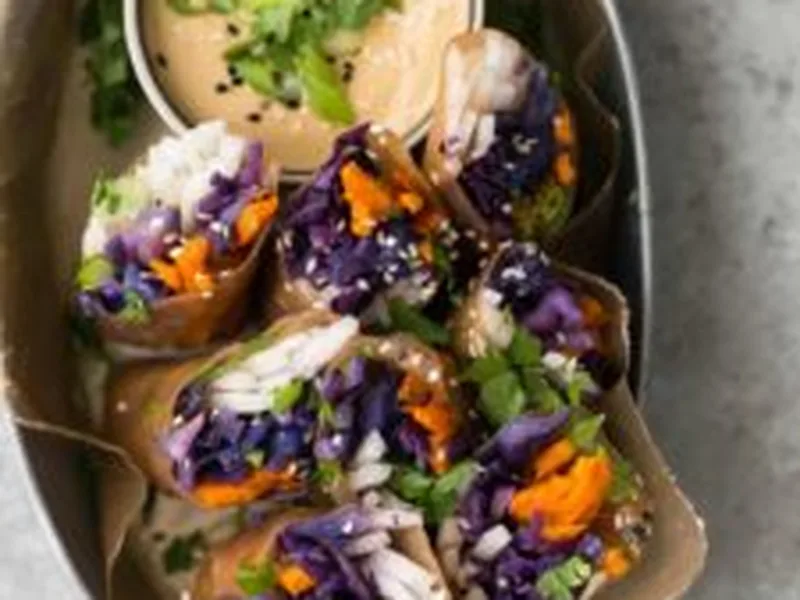
Roasted Cabbage and Sweet Potato Summer Rolls with Tahini Dip
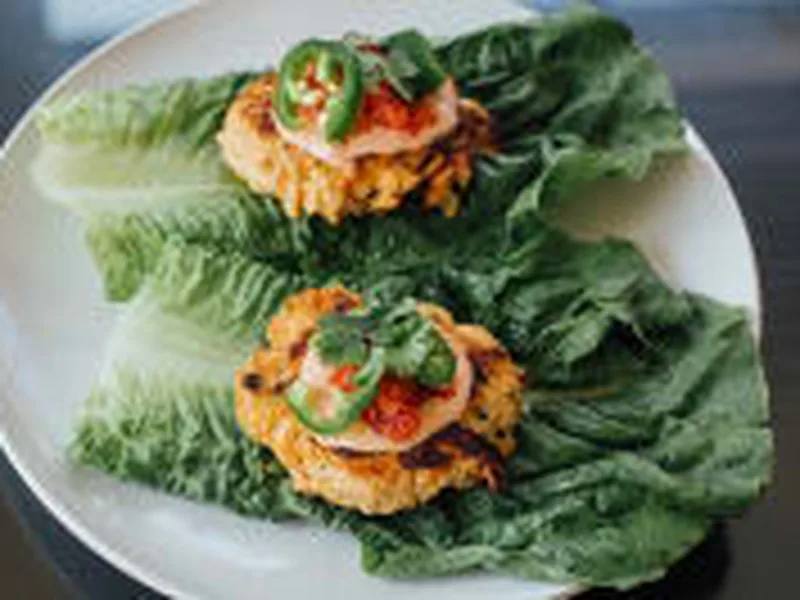
Lettuce-Wrapped Vietnamese Turkey Burgers with Pickled Vegetables
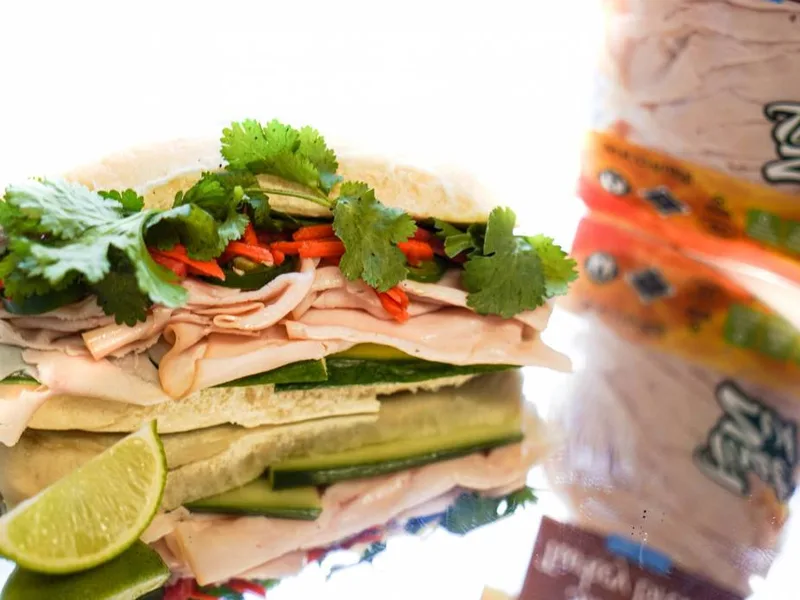
Vietnamese-Style Turkey Banh Mi with Quick Pickled Vegetables
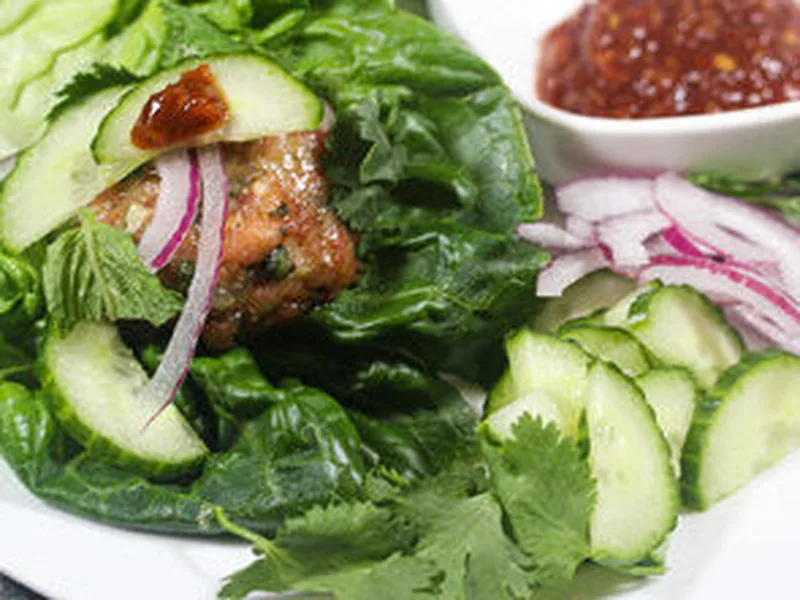
Vietnamese Chicken Meatballs in Lettuce Wraps
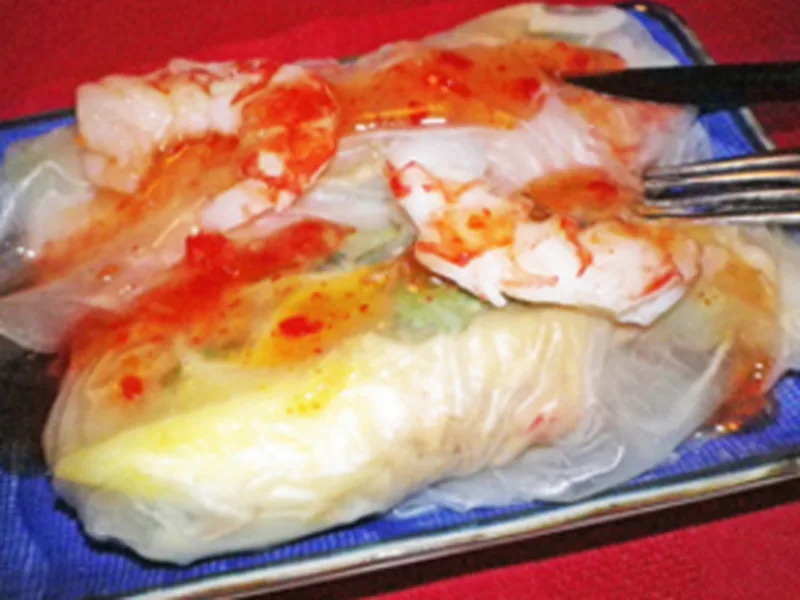
Prawn, Mango & Avocado Rice Paper Rolls
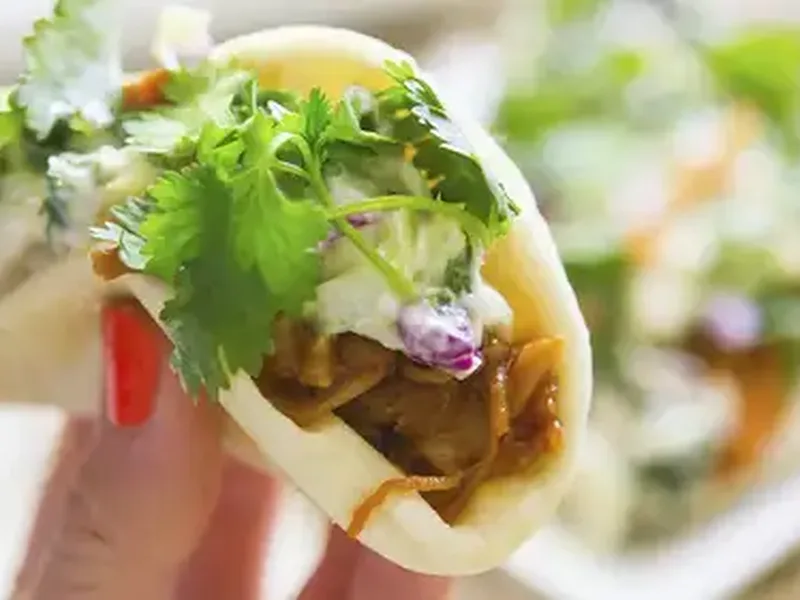
Banh Mi-Style Beef Tacos with Biscuit Shells and Asian Slaw
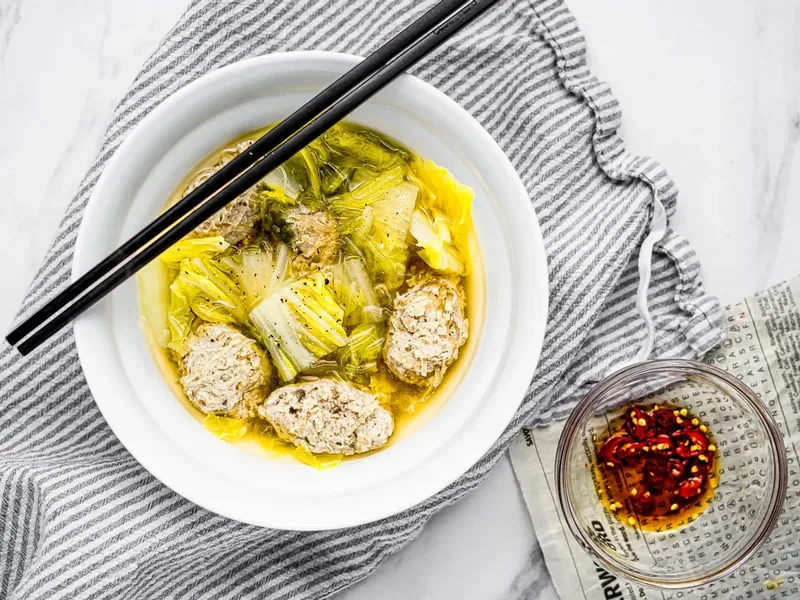
Low Carb Vietnamese Pork Meatball Napa Cabbage Soup
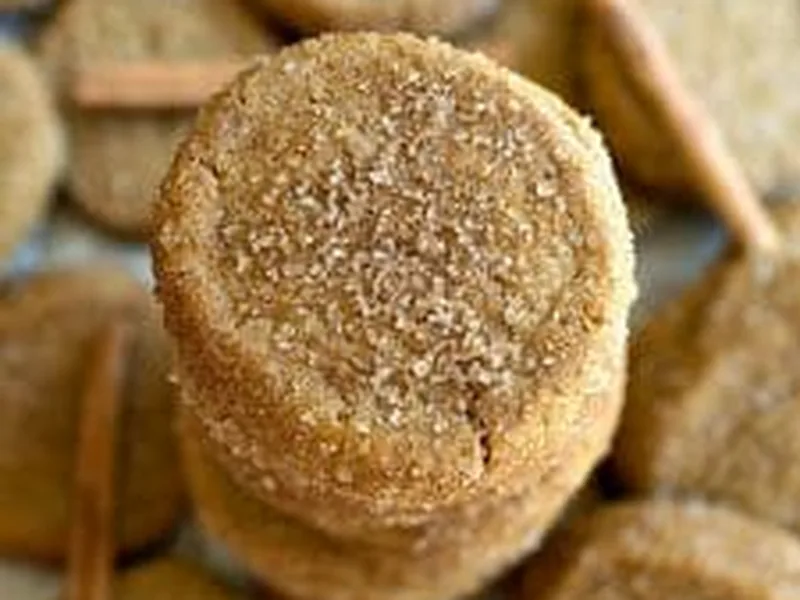
Saigon Cinnamon Ginger Cookies with Demerara Sugar
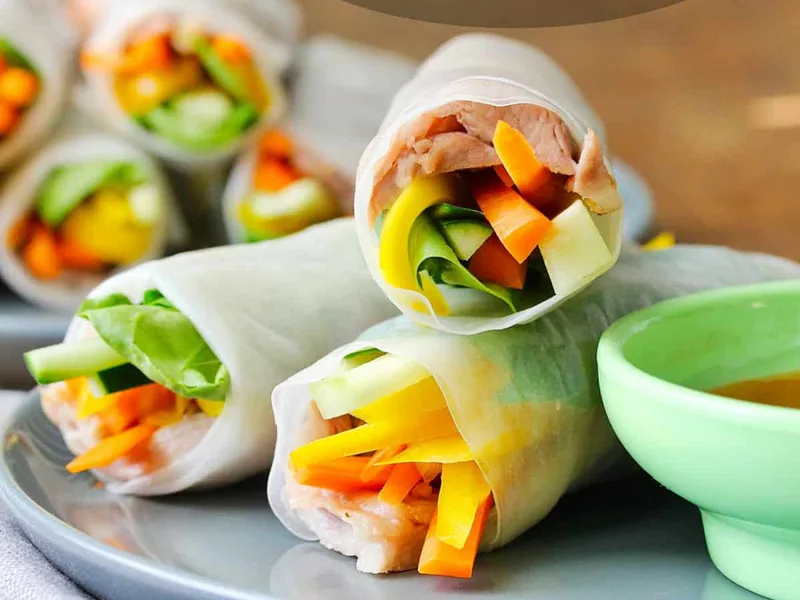
Slow Cooker Pork Spring Rolls with Spicy Plum Dipping Sauce
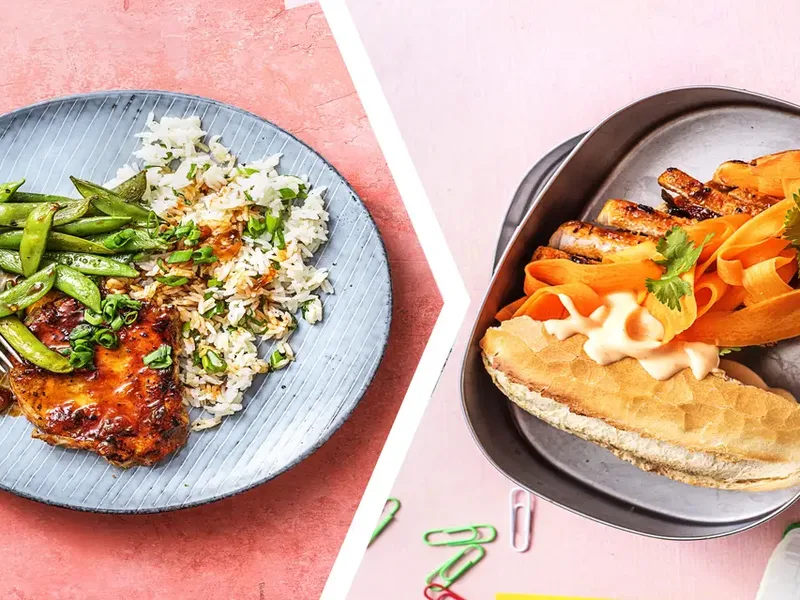
Sriracha Glazed Pork Chops with Thai Rice and Snap Peas
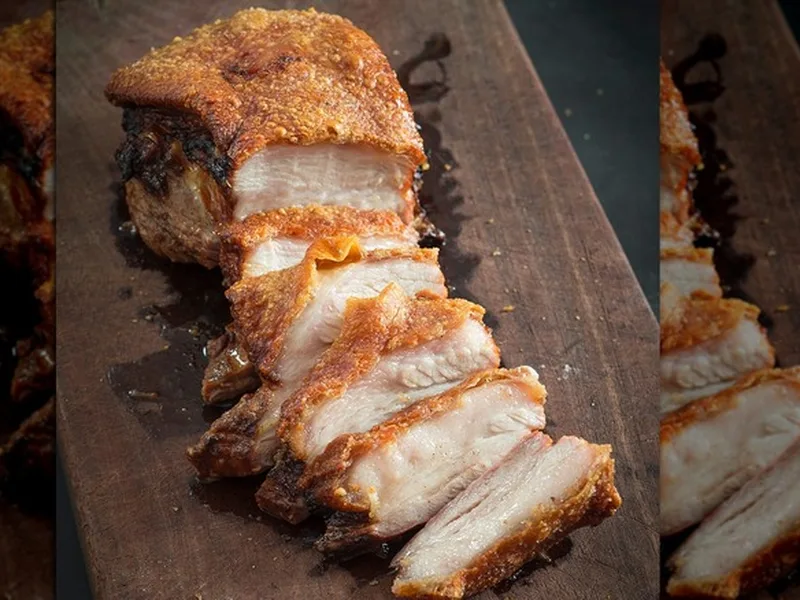
Crispy Skin Roast Pork Belly with Five Spice Marinade
Vietti Beef Stew with Fish Sauce and Root Vegetables
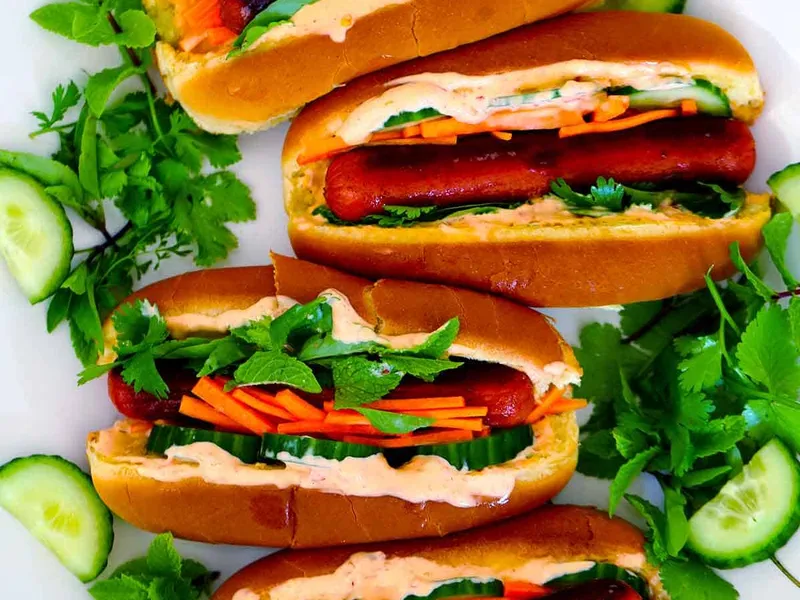
Bánh Mì Hot Dogs with Pickled Carrots
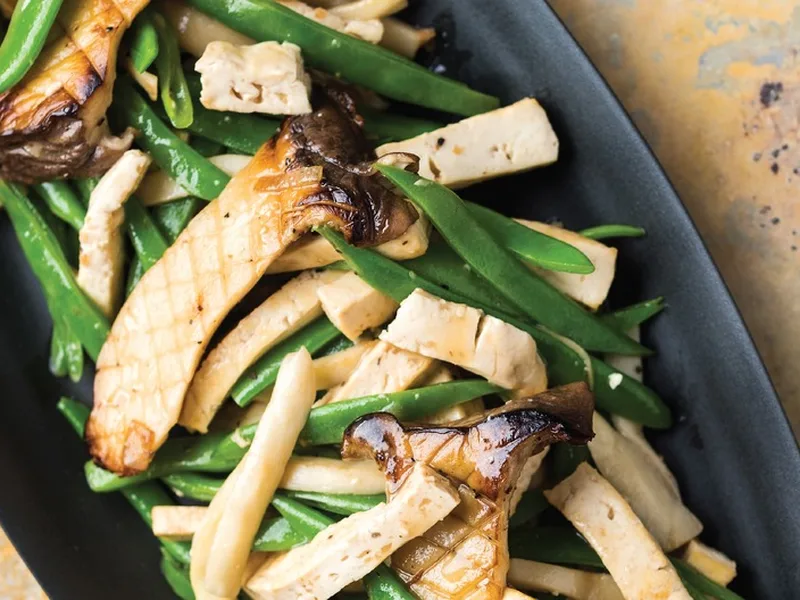
Vietnamese Baked Tofu with Snow Peas and Trumpet Mushrooms
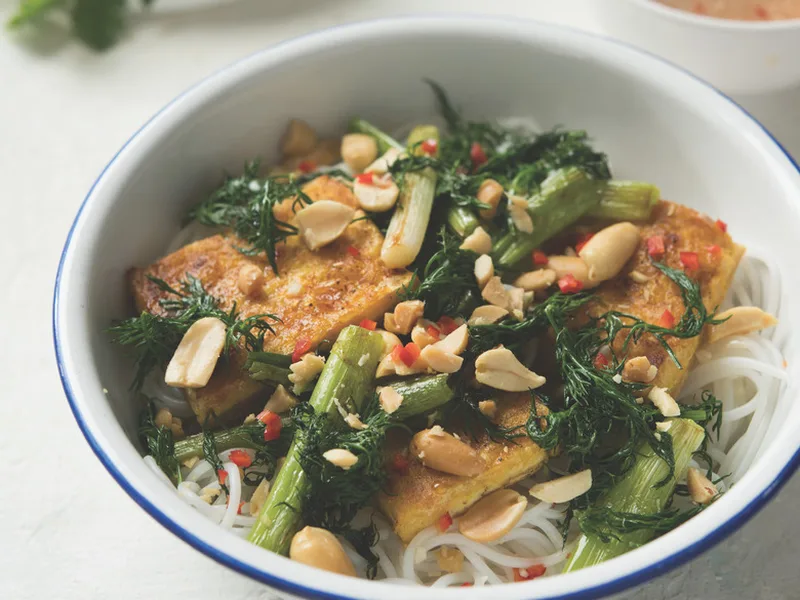
Vietnamese Turmeric Tofu with Dill and Rice Noodles
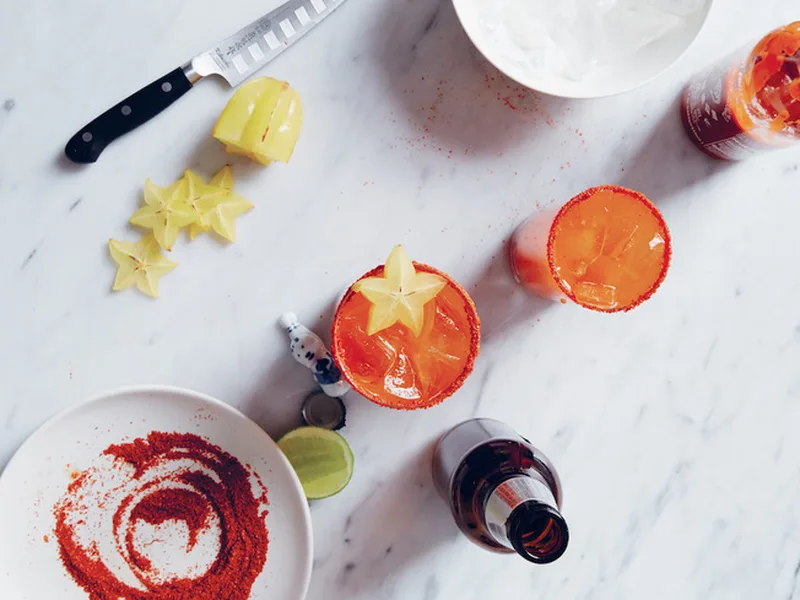
Spicy Vietnamese Michelada with Togarashi and Fish Sauce
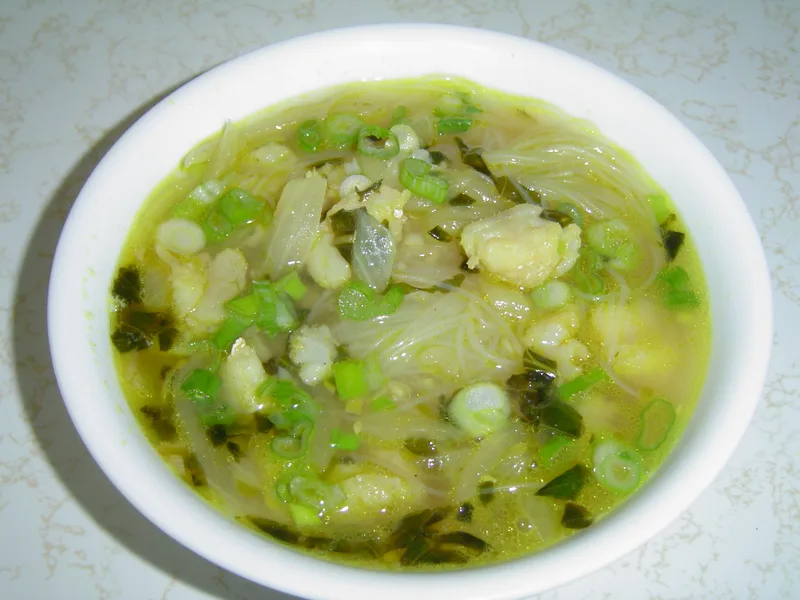
Vietnamese Fish Soup with Cellophane Noodles
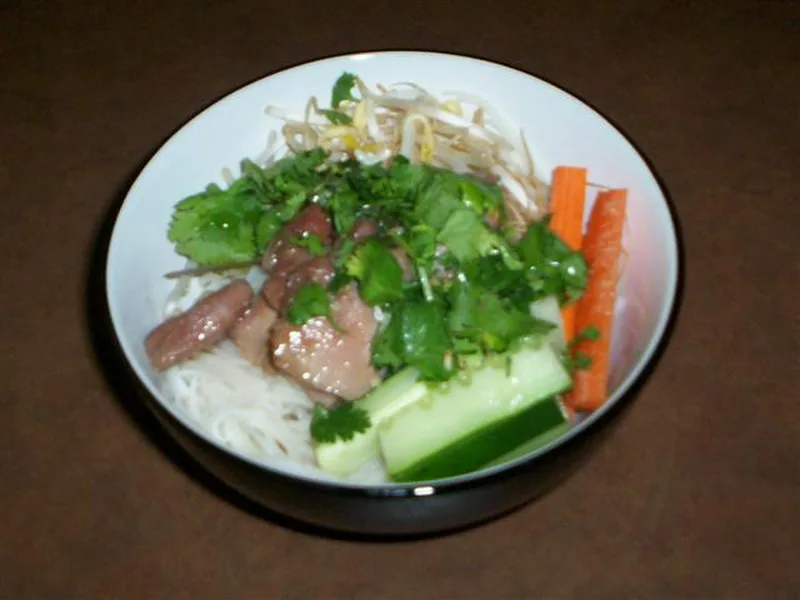
Vietnamese Grilled Pork Vermicelli Bowl (Bun Thit Nuong)
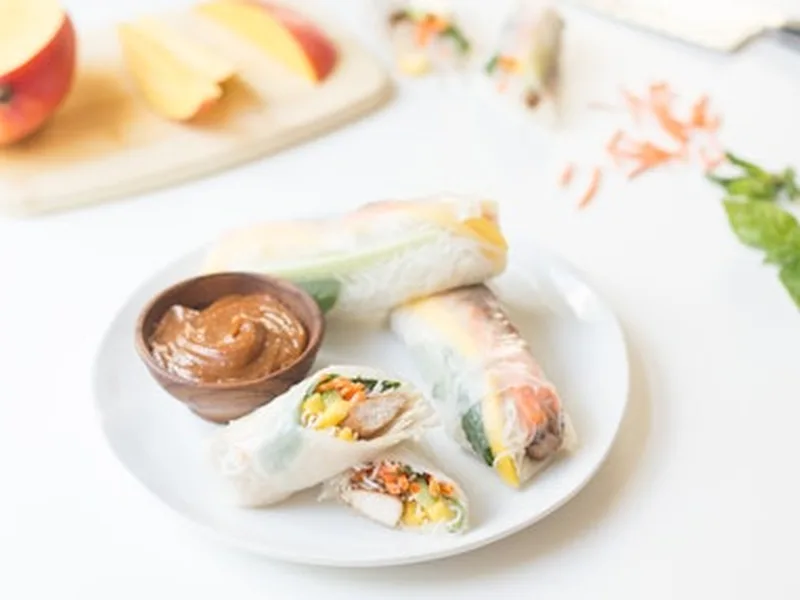
Chicken and Mango Summer Rolls with Peanut Dipping Sauce
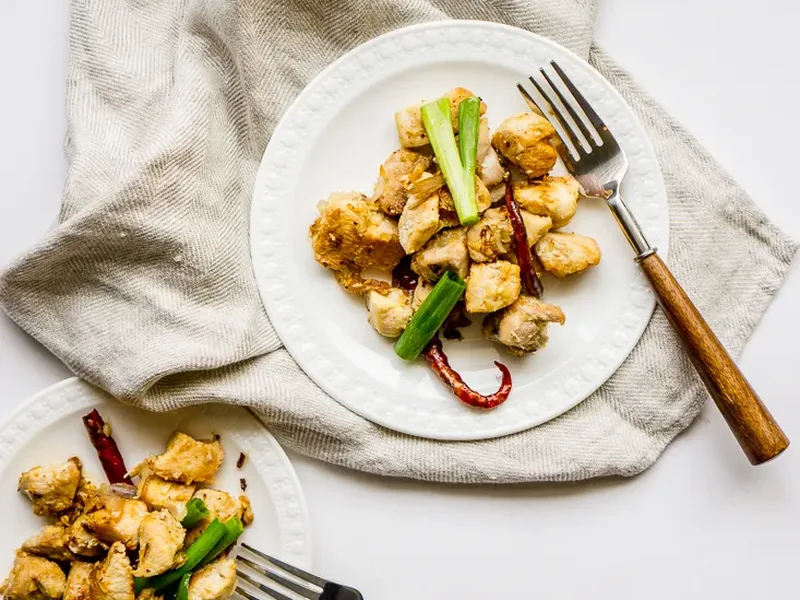
Vietnamese Lemongrass Chicken Stir-Fry with Chilies
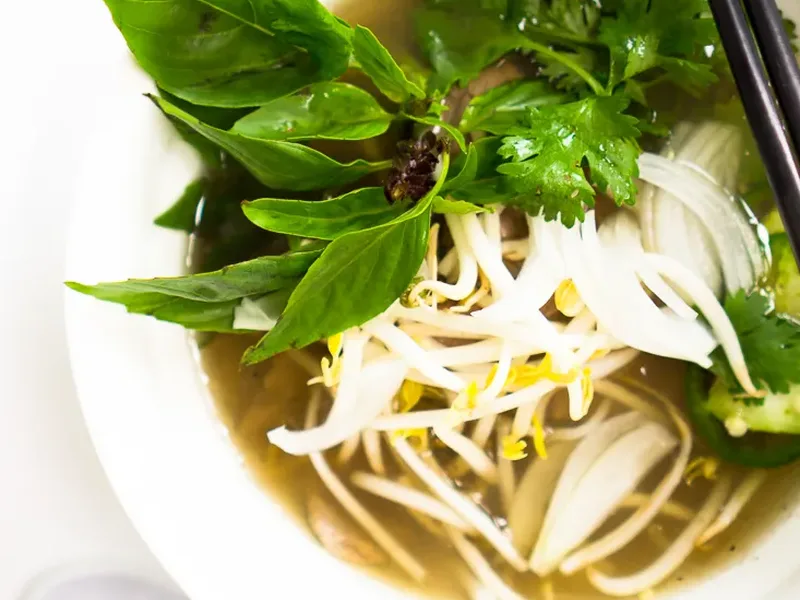
Instant Pot Beef Pho with Shirataki Noodles
Vietnamese cooking balances five elements in nearly every dish. Sweet, sour, bitter, salty, and spicy.
Fish sauce anchors the salty component. You'll use it in everything from pho broth to dipping sauces. Sugar balances that salt. Vietnamese cooks use rock sugar for caramel sauces, palm sugar for marinades, white sugar for pickles. The sweet-to-salty ratio typically runs 1:2 or 1:3.
Fresh herbs define Vietnamese food more than any spice. Cilantro, mint, Thai basil, perilla leaves. Raw. Piled high. A plate of herbs accompanies most meals. You tear them, wrap them, scatter them over hot soup. The herbs cool down rich broths and fatty meats.
Texture matters as much as taste. Spring rolls need that snap from rice paper meeting hot oil at 350F. Banh mi requires bread that shatters when you bite it. Pickled vegetables bring crunch. Fried shallots add crispy bits. Every dish has something soft, something crunchy.
Vietnamese home cooking relies on quick cooking methods. Stir-fries take 3-5 minutes over high heat. Most broths simmer for 45-90 minutes, not the 12-hour marathons you might expect. Even pho can be weeknight-friendly.
The northern style uses more soy sauce, less sugar, fewer herbs. Black pepper replaces chili. Southern cooking goes heavier on coconut, tamarind, sugar. Central Vietnam brings the heat with more chilies, stronger fish sauce.
This food suits cooks who like bright, clean flavors. Who don't mind buying fish sauce by the liter. Who keep herbs growing on the windowsill. Vietnamese cooking rewards precision with ratios and temperatures but forgives substitutions. No lemongrass? Use lime zest. No banana leaves? Use parchment. The fundamental balance remains.
Essential Ingredients
Key Techniques
FAQ
What fish sauce should I buy?
Three Crabs or Red Boat brands work best. Look for amber color and 40-43°N nitrogen content on the label. A 24-ounce bottle costs $4-6 at Asian markets. One bottle lasts about 3 months with regular cooking. Store at room temperature. The first ingredient should be anchovies, not water.
Can I make pho broth quickly?
Yes. Use 2 pounds beef bones, char them under broiler for 15 minutes. Simmer with charred onion and ginger for 90 minutes. Add 2 tablespoons fish sauce, 1 tablespoon sugar, 6 star anise, 1 cinnamon stick. Strain. This makes 6 cups of decent weeknight pho broth. Traditional recipes simmer 6-12 hours.
How do I get rice paper rolls right?
Water temperature matters most. Use 110F water, like a warm bath. Dip for exactly 3 seconds. The paper continues softening for 30 seconds after removal. Work on a damp cutting board. Fill with 3 tablespoons of filling max. Roll within 45 seconds or the paper tears.
What herbs are truly essential?
Start with cilantro, Thai basil, and mint. One bunch each weekly covers most recipes. Cilantro appears in 80% of Vietnamese dishes. Thai basil in 60%. Regular basil won't substitute. Grow Thai basil from $3 plants. It thrives in 70F+ temperatures. Perilla and sawtooth coriander are nice extras but not essential.