High-Protein Recipes
Building muscle or staying full until lunch requires about 25-30 grams of protein per meal. That's roughly 4 ounces of chicken, 5 ounces of fish, or 3 whole eggs plus cheese. Most home cooks struggle to hit those numbers without eating the same grilled chicken breast every day.
The recipes in this collection average 30-45 grams of protein per serving. Some pack it into breakfast (Muffin-Tin Egg Bakes hit 18g per two-muffin serving). Others hide it in comfort foods (the Taco Sloppy Joe Ground Beef Skillet delivers 35g). Every recipe uses regular grocery store ingredients. No protein powder required.
Protein timing matters less than total daily intake, but spreading it across meals helps with satiety. Aim for 0.8-1 gram per pound of body weight daily if you're active. That's 120-150 grams for a 150-pound person.
The Recipes
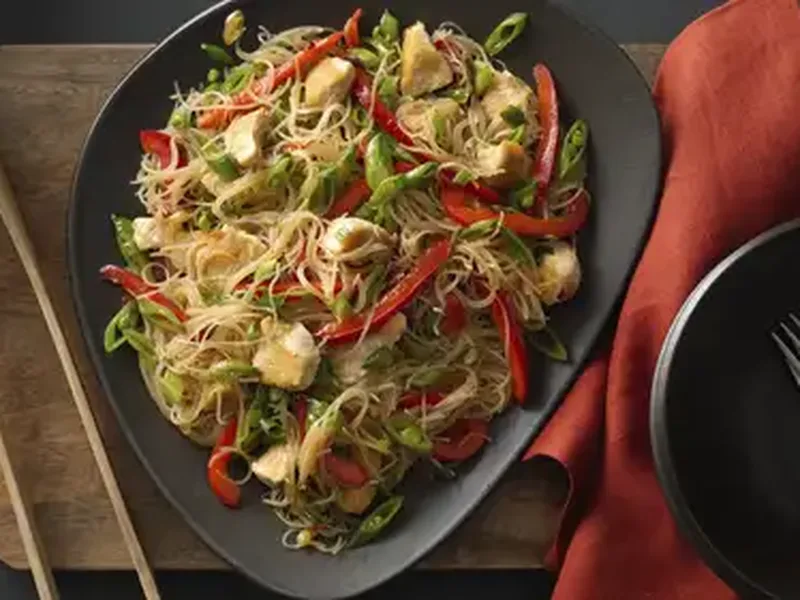
Singapore-Style Curry Rice Noodles with Chicken and Vegetables
Chicken thighs (28g protein per 4 ounces) stay juicier than breasts in this 30-minute stir-fry. The curry powder adds flavor without calories. Double the chicken, halve the noodles for 40g protein per serving.
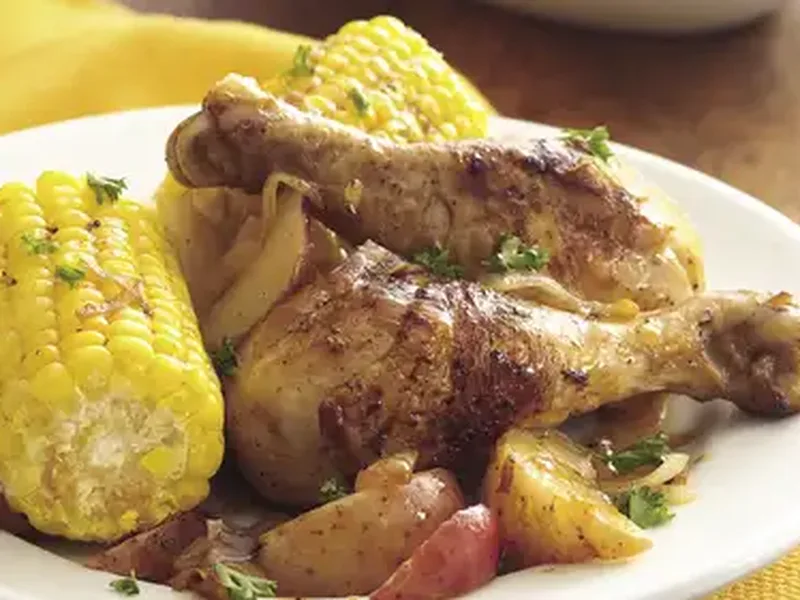
One-Pan Chicken and Corn with Potatoes
Sheet pan magic: 6-ounce chicken breasts (50g) roast alongside potatoes and corn at 425F. Everything finishes in 40 minutes. The corn adds 3g protein per ear, potatoes another 4g per medium spud.
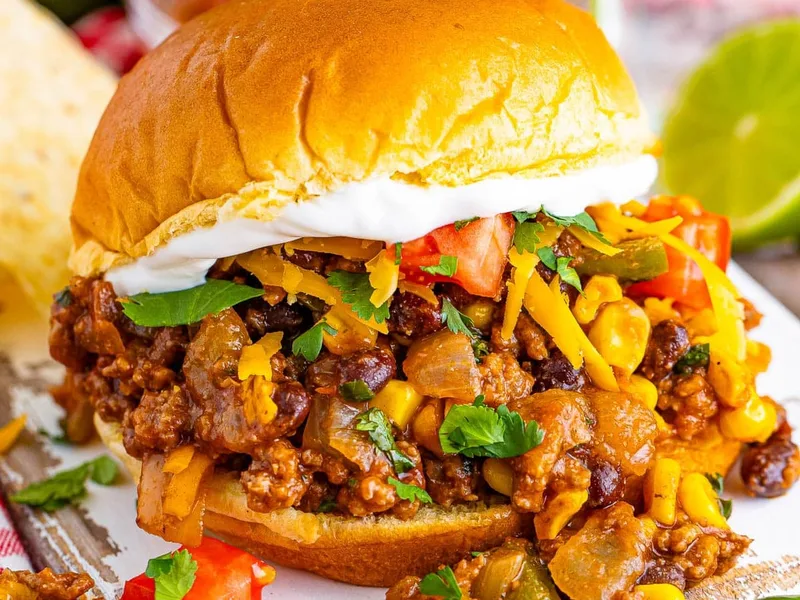
Taco Sloppy Joe Ground Beef Skillet Recipe
Ground beef (85/15) provides 28g protein per 4-ounce serving. Black beans add 8g more. Skip the bun and serve over cauliflower rice to keep protein percentage high.
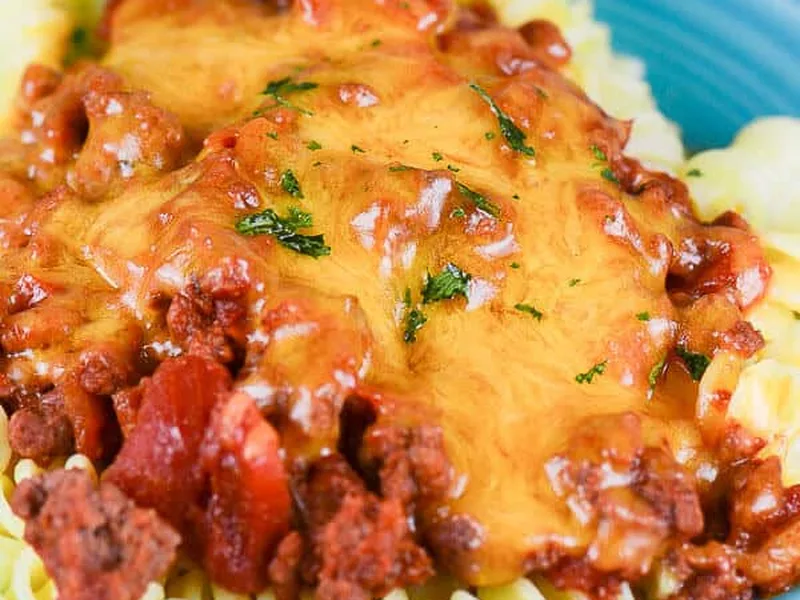
Spicy Cheeseburger Pasta Skillet with Mexican Cheese
One pound of ground beef feeds four with 35g protein each. The Mexican cheese blend adds 8g per quarter cup. Whole wheat pasta contributes another 7g per cup cooked.
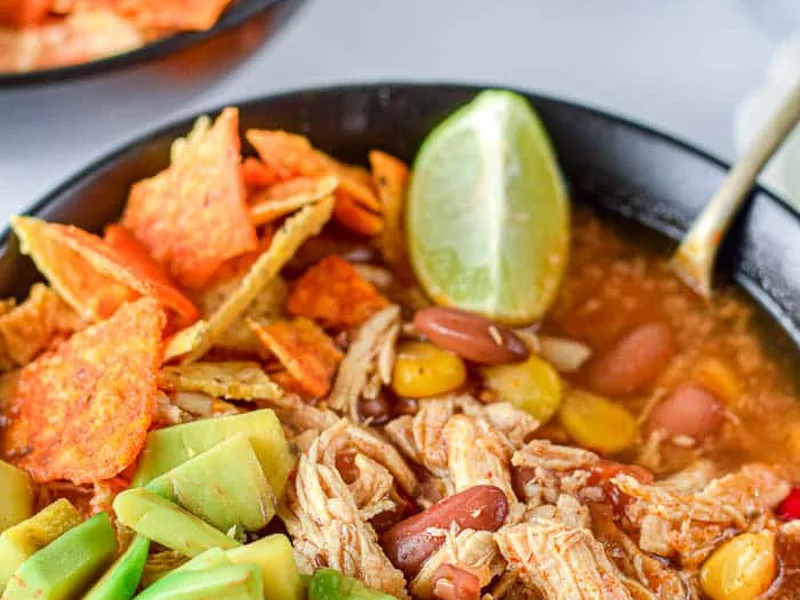
Instant Pot Enchilada Soup with Shredded Chicken
Pressure cooking shreds 2 pounds of chicken breasts in 15 minutes. Each bowl delivers 44g protein between the chicken, beans, and cheese. Freezes for 3 months.
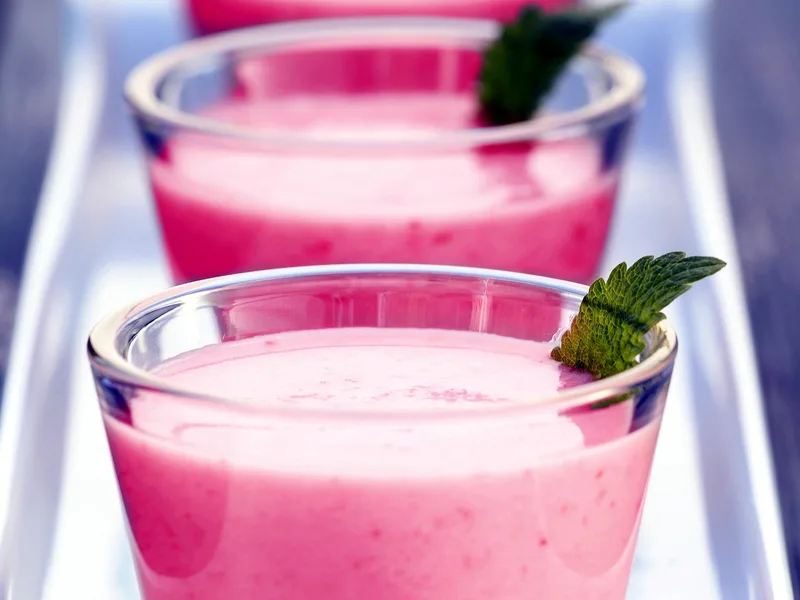
Honey Banana Strawberry Yogurt Smoothie and Frozen Pops
Greek yogurt (20g per cup) blends with milk (8g) for a 28g protein smoothie. The frozen pop version provides 10g protein per pop. Kids eat them without knowing they're healthy.

Whole Wheat Cheese Braided Pastry with Quark Filling
Quark cheese packs 14g protein per half cup, twice that of ricotta. The whole wheat dough adds 6g per serving. Worth the 75-minute effort for special breakfasts.
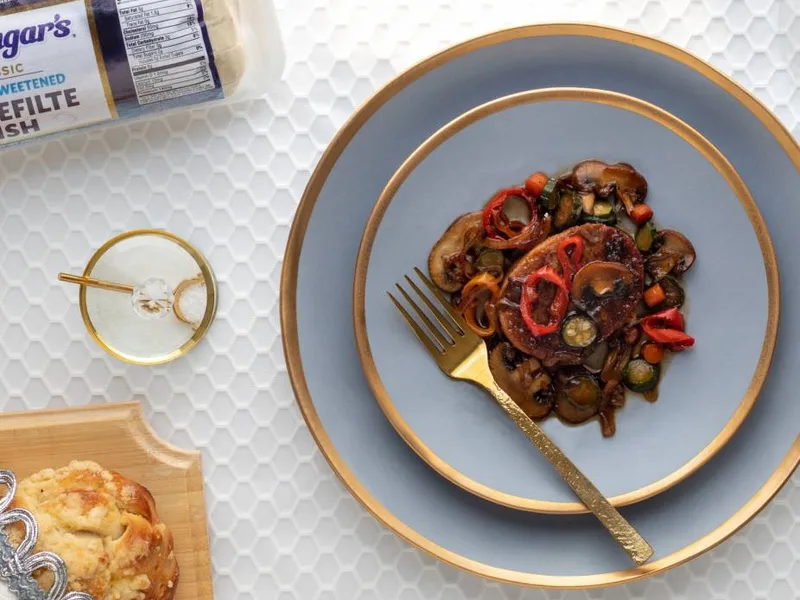
Sweet Veggie Topped Gefilte Fish Rounds - Pan-Fried & Glazed
Fish cakes deliver 25g protein per serving. The glazed vegetable topping adds color without diluting the protein content. Make ahead and reheat at 350F for 10 minutes.
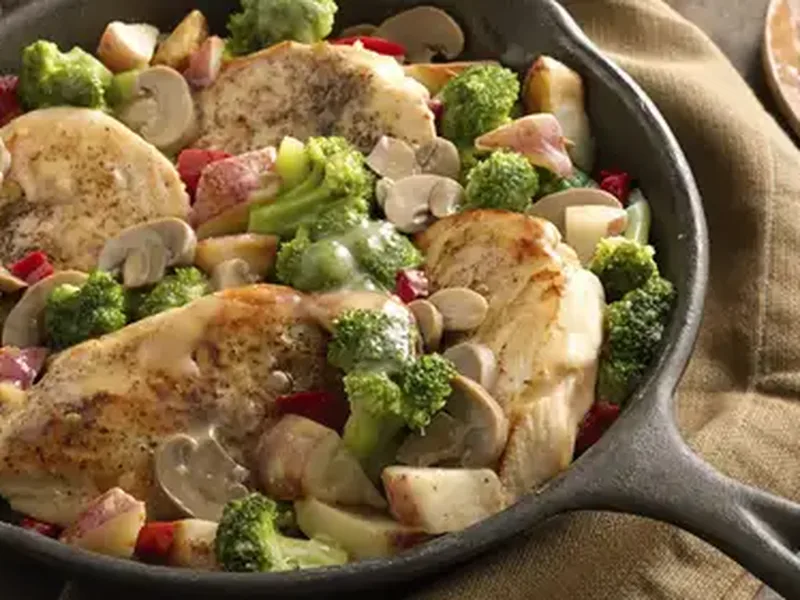
One-Skillet Chicken with Vegetables and Gravy Dinner
Boneless thighs (30g per 4 ounces) simmer in their own gravy. The 34-minute cook time includes vegetable prep. Serve over quinoa (8g per cup) for extra protein.
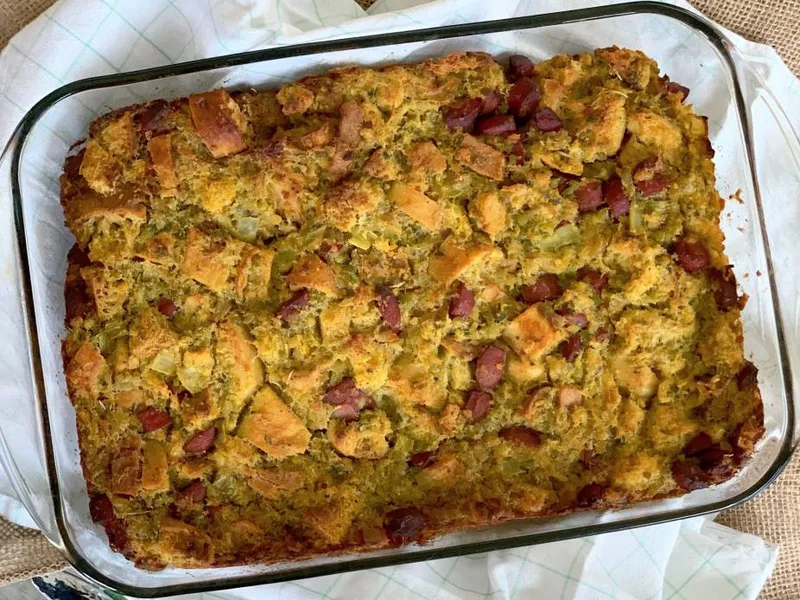
Split Pea Soup Stuffing with Pan-Fried Hot Dogs
Split peas contain 16g protein per cooked cup. Hot dogs add 5g each. Unusual combination, but the protein math works. Plus it uses up leftover soup.
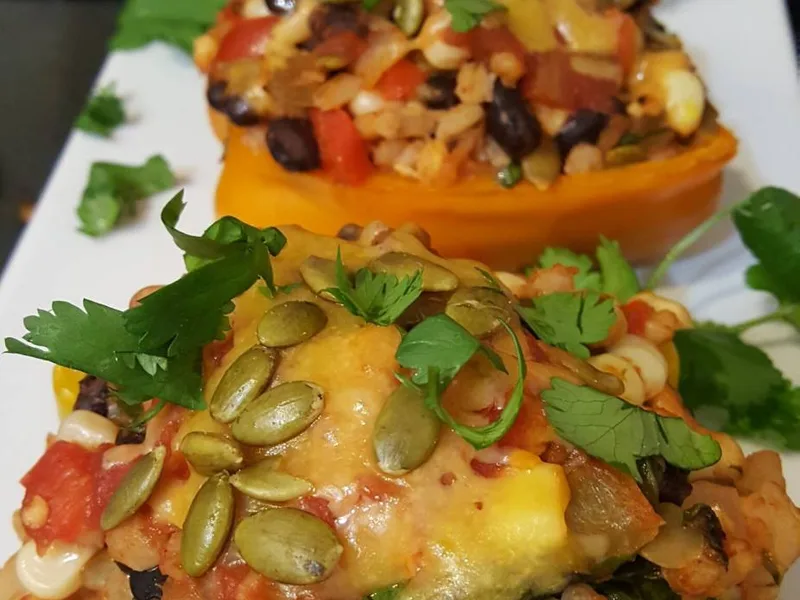
Southwestern Black Bean Rice Stuffed Bell Peppers
Black beans (15g per cup) and brown rice (5g per cup) stuff these peppers. Add ground turkey (22g per 3 ounces) to reach 42g total protein per serving.
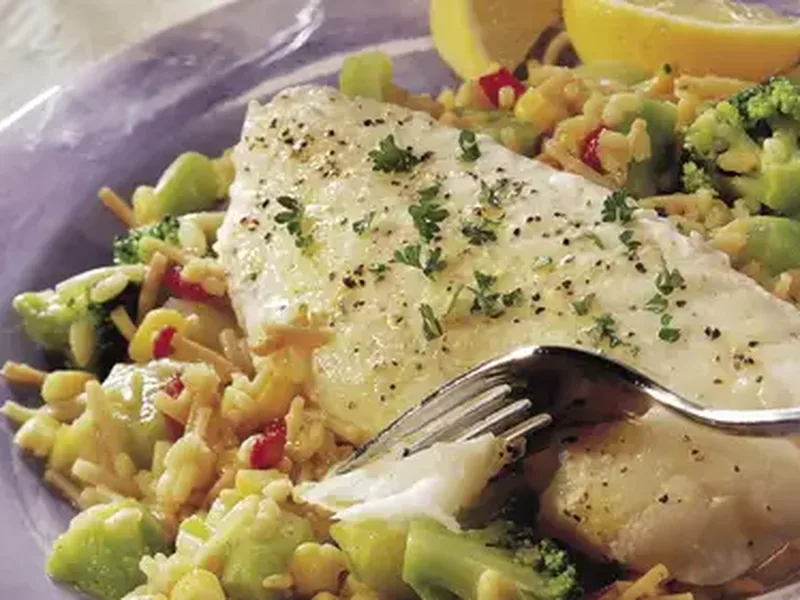
Lemony Fish and Rice Skillet with Mixed Vegetables
White fish fillets (cod or halibut) provide 40g protein per 6-ounce serving. The lemon brightens everything without adding calories. Rice soaks up the pan juices.

Muffin-Tin Egg Bakes with Customizable Fillings
Each muffin contains 2 eggs (12g) plus cheese (4g) and meat (6g). Make 12 on Sunday, reheat two each morning for 36g protein breakfasts all week.
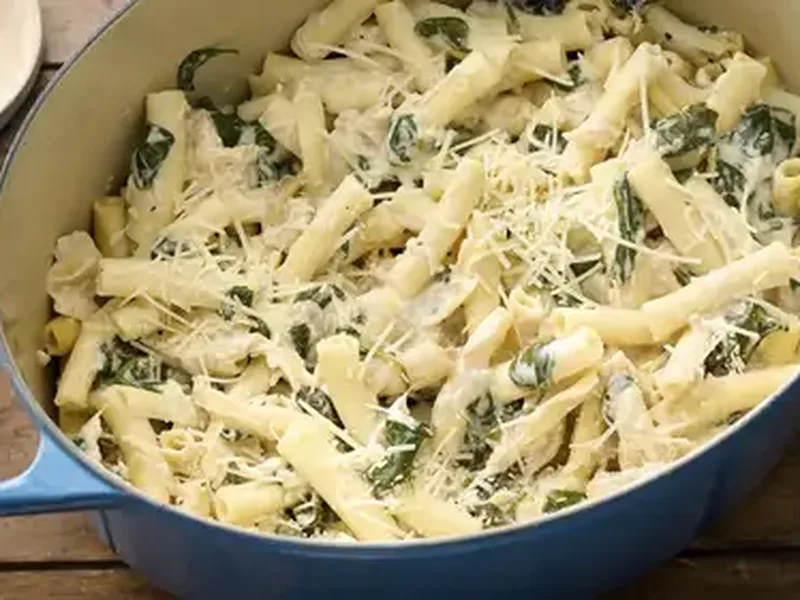
One-Pot Parmesan Chicken Ziti with Artichokes and Spinach
Chicken breast (40g), parmesan (10g per ounce), and pasta (7g per cup) combine for 57g protein per serving. The spinach wilts directly in the pot.
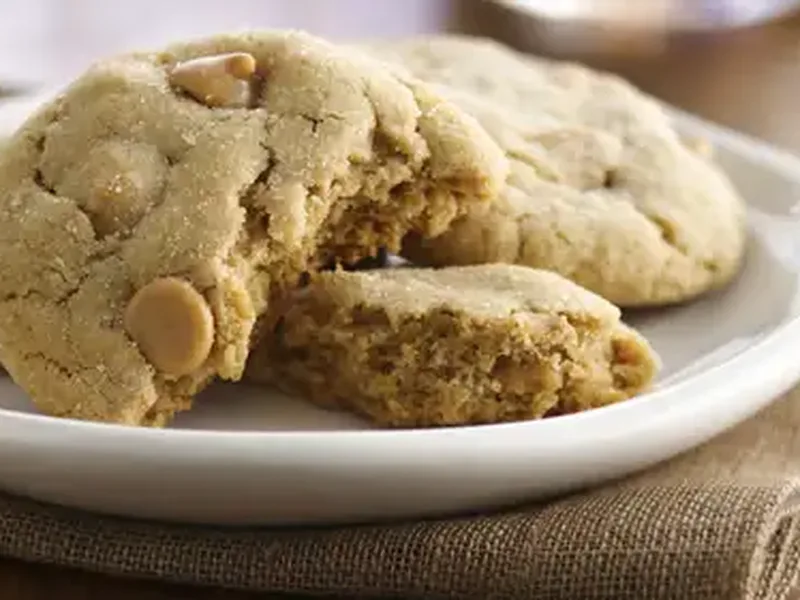
Peanut Butter Chip White Whole Wheat Cookies
Each cookie contains 4g protein from peanut butter and whole wheat flour. Not a meal replacement, but better than regular cookies for afternoon snacks.
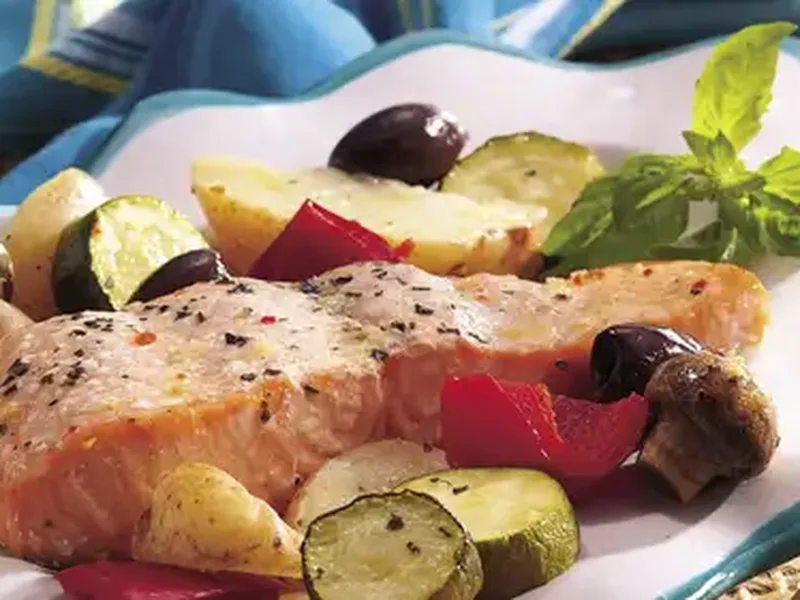
Roasted Salmon with Mediterranean Vegetables
Salmon delivers 40g protein per 6-ounce fillet. Roast at 400F for 12-15 minutes. The vegetables roast alongside on the same sheet pan.
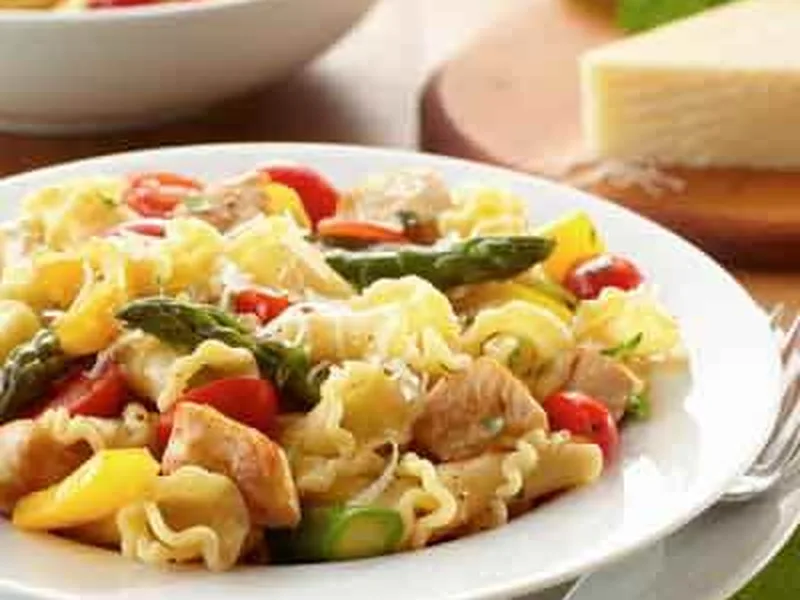
Sautéed Chicken Pasta with Asparagus and Tomatoes

Harvest Beer Cheese Soup with Chicken and Wild Rice
Rotisserie chicken (30g per cup shredded) speeds this soup. Wild rice adds 6g protein per cooked cup. The beer cooks off, leaving just flavor.
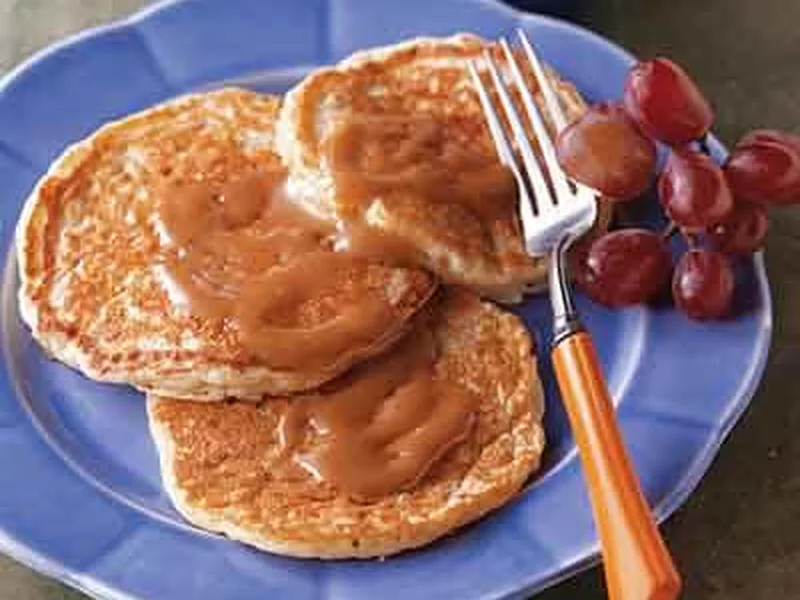
Multi-Grain Pancakes with Peanut Butter Maple Spread
The multi-grain mix provides 8g protein per cup. Peanut butter spread adds 8g per 2 tablespoons. Stack three pancakes with spread for 24g protein.
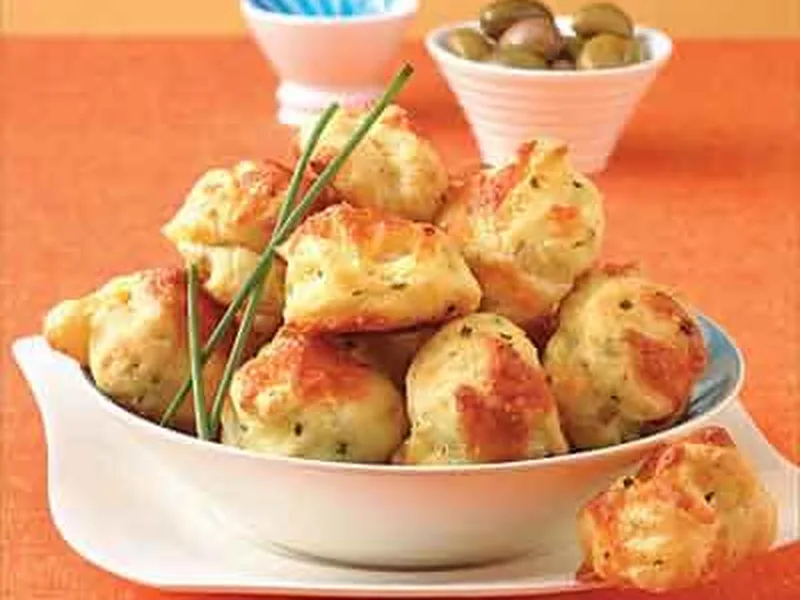
Pepper Jack Cheese and Chive Gougères with Italian Seasoning
These cheese puffs pack 6g protein per 2-puff serving. Not a main protein source, but they beat regular bread at dinner parties.
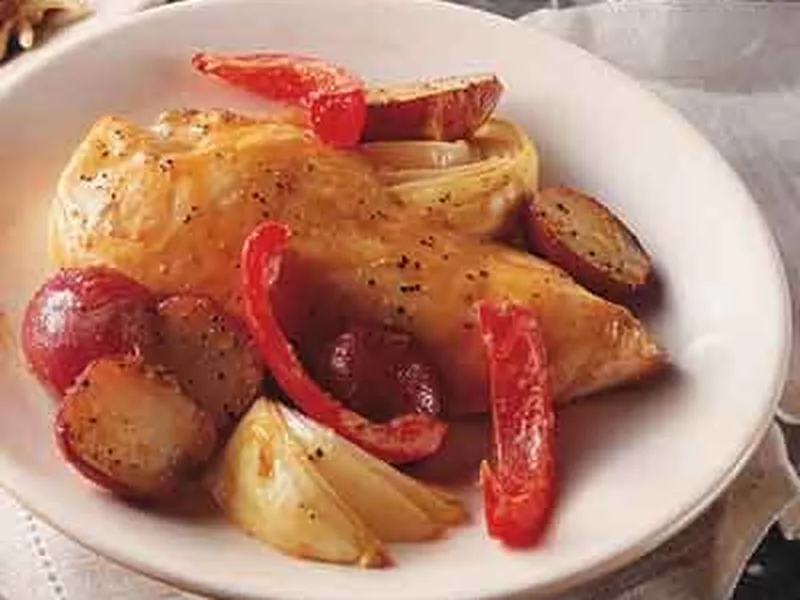
Roasted Honey-Mustard Chicken with Root Vegetables
Whole chicken pieces (45g per 6 ounces with bone) roast with vegetables at 425F. The honey-mustard glaze caramelizes without burning.

Rich Vanilla Ice Cream with Custard Base
Custard base means eggs and milk, yielding 6g protein per half-cup serving. Not health food, but better than standard ice cream.
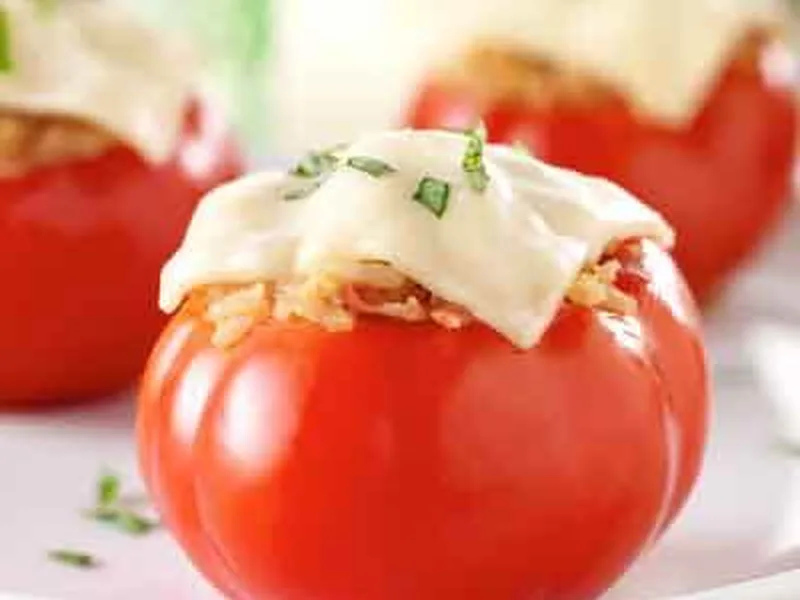
Pancetta and Risotto Stuffed Tomatoes
Pancetta adds 3g protein per ounce. The arborio rice contributes 4g per cooked cup. Together with parmesan, each tomato delivers 12g protein.

Roquefort and Pear Flatbread with Chicken
Flatbread topped with 4 ounces shredded chicken (35g), roquefort (6g per ounce), and pears. Cut into 4 pieces for individual 41g protein servings.
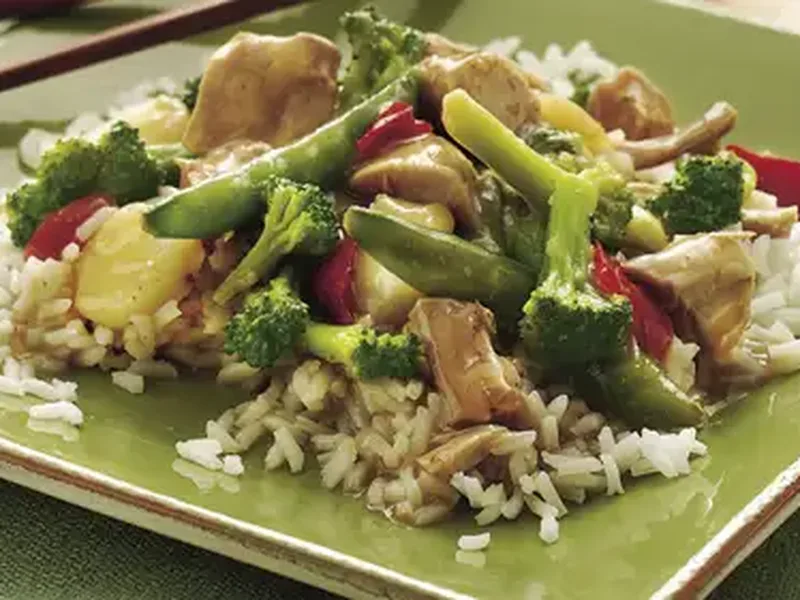
Slow-Cooker Asian Turkey and Vegetables with Teriyaki
Turkey breast (45g per 5 ounces) stays moist in the slow cooker. Set it at 8am, dinner's ready at 6pm. The teriyaki sauce has 2g protein per 2 tablespoons.
Planning Tips
- 1
Buy protein in bulk and freeze in meal-sized portions. Chicken breasts freeze flat in zip bags, thaw in 2 hours in cold water. Label with weight and date.
- 2
Cook extra protein every time you fire up the grill or oven. Six chicken breasts take the same time as two. Slice the extras for salads and wraps all week.
- 3
Eggs are the cheapest complete protein at $0.30 per 6g serving. Keep hard-boiled eggs ready. They last 7 days in shells, 5 days peeled.
- 4
Greek yogurt has double the protein of regular yogurt. Buy plain, add your own fruit. The flavored versions pack 20g of sugar per cup.
- 5
Canned beans add 15g protein per cup for $1. Rinse them to reduce sodium by 40%. Black beans and chickpeas have the most protein.
- 6
Track protein for one week to find your gaps. Most people get enough at dinner but lack morning and afternoon protein. That's where planning helps.
Complete Menu Ideas
Weekday breakfast rotation: Monday/Wednesday/Friday do Muffin-Tin Egg Bakes (36g). Tuesday/Thursday try Multi-Grain Pancakes with peanut butter (24g). Prep everything Sunday. Total time: 2 hours for the whole week.
Post-workout dinner for two: Roasted Salmon with Mediterranean Vegetables (40g) plus quinoa (8g per cup). Ready in 40 minutes. Add Greek yogurt with berries for dessert (15g). Total: 63g protein.
Family meal prep Sunday: Make Instant Pot Enchilada Soup (44g per serving), portion into containers. Prep Muffin-Tin Egg Bakes for breakfasts. Grill 3 pounds chicken breasts for the week. Total prep time: 3 hours.
Quick lunch options: Leftover One-Pot Parmesan Chicken Ziti (57g) reheats in 3 minutes. Or try Roquefort and Pear Flatbread with Chicken (41g) using rotisserie chicken. Both work cold too.
Frequently Asked Questions
How much protein do I really need per day?
Active adults need 0.8-1 gram per pound of body weight. A 150-pound person needs 120-150 grams daily. Sedentary adults can aim for 0.6 grams per pound (90g for 150 pounds). Athletes may need up to 1.2 grams per pound. Spread intake across 3-4 meals for best absorption, aiming for 25-40g per meal.
Which proteins are most affordable per gram?
Eggs win at $0.05 per gram of protein. Chicken breast costs $0.10 per gram when bought in bulk. Greek yogurt runs $0.12 per gram. Canned tuna offers $0.08 per gram. Plant proteins like lentils cost $0.04 per gram but need combining with grains for complete amino acids. Buy proteins on sale and freeze.
Can I meal prep high-protein recipes?
Most protein-rich foods prep beautifully. Cooked chicken and fish last 4 days refrigerated. Hard-boiled eggs keep 7 days. Cooked beans and lentils last 5 days. The Muffin-Tin Egg Bakes freeze for 3 months. Portion proteins immediately after cooking. Use glass containers to avoid plastic chemicals. Reheat to 165F internal temperature.
What's the best protein timing for muscle building?
Consume 25-30g protein within 2 hours post-workout for optimal muscle synthesis. Total daily intake matters more than perfect timing. Spread protein across 4-5 meals rather than loading 100g at dinner. Morning protein (20-30g) prevents muscle breakdown after the overnight fast. Pre-bed protein (20g casein or Greek yogurt) aids overnight recovery.