How to Bake a Potato
Baking a potato means cooking it whole in dry heat at 400-450F until the inside turns fluffy and the skin crisps up. The slow, even heat turns dense starch into light, steamy flesh that absorbs butter and toppings like a sponge.
Why it matters
Baking creates a fluffy interior you can't get from boiling or microwaving. The dry heat evaporates moisture from the skin, making it crispy. A properly baked potato has distinct zones: crisp skin, fluffy center, creamy layer just under the skin. Other methods make uniform, dense potatoes.
What you need
Steps
Heat oven to 425F. Scrub potatoes under cold water until no dirt remains on the skin, which should feel squeaky clean when you rub it with your thumb.
Pierce each potato 6-8 times with a fork, going 1/2 inch deep. You'll hear a soft pop as the fork breaks through the skin. This prevents steam explosions.
Rub each potato with 1 teaspoon oil until the skin glistens. Sprinkle with 1/2 teaspoon coarse salt per potato, rolling to coat evenly.
Place potatoes directly on oven rack with a baking sheet on the rack below to catch drips. Space them 2 inches apart for air circulation.
Bake 50-60 minutes for 8-ounce potatoes, 65-75 minutes for 12-ounce ones. The skin will look dry and slightly wrinkled when done.
Test doneness by squeezing gently with an oven mitt. A done potato gives slightly and feels soft inside the crispy shell. Internal temperature reaches 208-212F.
Remove from oven and let rest 5 minutes. Cut a cross in the top, squeeze the ends to open, and watch steam billow out. The flesh should look dry and fluffy, not wet or gummy.
Common Mistakes
Wrapping potatoes in foil
What happens: Creates steamed potatoes with soggy skin instead of baked ones with crispy skin
Fix: Bake unwrapped directly on the oven rack for maximum air circulation
Using wrong potato variety
What happens: Waxy potatoes stay dense and gummy instead of becoming fluffy
Fix: Use russet or Idaho potatoes, which have 21% starch content versus 15% in waxy types
Baking at temperatures below 400F
What happens: Potatoes cook unevenly with tough centers and pale, chewy skin
Fix: Maintain 425F for optimal starch conversion and skin crisping
Not piercing the skin
What happens: Potatoes can explode in the oven as steam pressure builds
Fix: Pierce 6-8 times with a fork before baking
Troubleshooting
Potato skin stays soft and pale after 60 minutes
Then: Increase temperature to 450F for final 10 minutes and move to top rack
Center remains hard while outside overcooks
Then: Your potatoes exceed 14 ounces. Cut large ones lengthwise and bake cut-side down
Related Techniques
FAQ
Can I speed up baking time?
Start potatoes in the microwave for 5 minutes, then transfer to a 450F oven for 25-30 minutes. This cuts total time to 35 minutes while preserving crispy skin. The microwave heats the center to 180F, then the oven finishes cooking and crisps the exterior. This hybrid method works best for potatoes under 10 ounces.
Why do restaurants wrap potatoes in foil?
Restaurants wrap baked potatoes to hold them at 140F for up to 2 hours in warming drawers. The foil traps steam, which keeps potatoes moist but ruins the crispy skin. At home, bake unwrapped and serve within 20 minutes. If you must hold them, place in a 200F oven uncovered for up to 30 minutes.
What size potato bakes best?
Choose 8-10 ounce russets for optimal results. Smaller potatoes under 6 ounces dry out. Giants over 14 ounces need 90+ minutes and often have hard centers. A 9-ounce potato bakes perfectly in 55-60 minutes at 425F, developing crispy skin while the interior reaches the ideal 208F temperature for maximum fluffiness.
Should I oil or butter the skin?
Oil creates crispier skin than butter because it has a higher smoke point of 450F versus butter's 350F. Use 1 teaspoon neutral oil per potato, rubbing thoroughly. Butter burns at baking temperatures, leaving bitter spots. Save butter for topping the finished potato, where its 15% water content helps it melt into the fluffy flesh.
Recipes Using This Technique

Cheesy Ham & Potato Pie with Crispy Crust
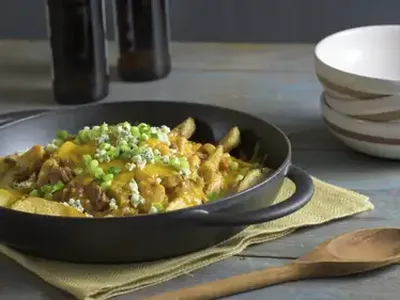
Loaded Stew Potato Wedge Skillet Bake
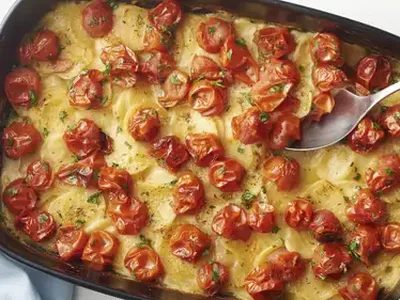
Scalloped Potatoes with Roasted Cherry Tomatoes
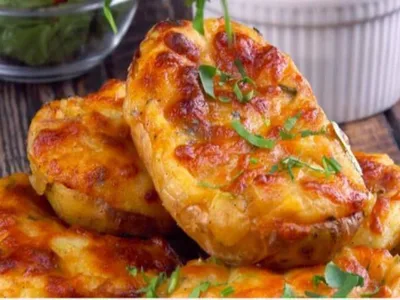
Loaded Baked Potatoes with Bacon and Cheddar
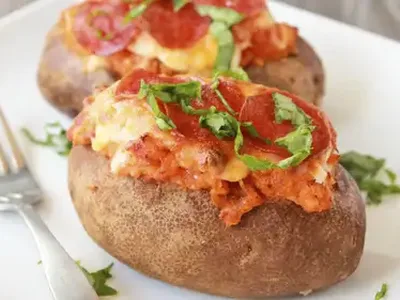
Sneaky Pizza Baked Potatoes with Hidden Cauliflower