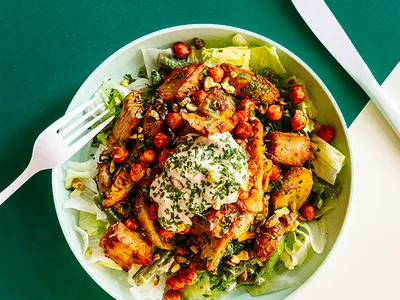
How to Roast Vegetables
Roasting vegetables means cooking them in a hot oven until their edges caramelize and their centers turn tender. The dry heat pulls out moisture, concentrates flavors, and creates crispy, golden surfaces.
Why it matters
Roasting turns watery vegetables into concentrated, sweet versions of themselves. A raw Brussels sprout tastes bitter and crunchy. A roasted one tastes nutty and creamy. The 400F to 450F heat creates browning that boiling or steaming never can. You get crispy edges and soft centers in one simple method.
What you need
Steps
Heat your oven to 425F. Cut vegetables into equal-sized pieces, about 1-inch for root vegetables and 2-inch florets for broccoli or cauliflower. Smaller pieces cook faster. Keep all pieces the same size or some burn while others stay raw.
Toss vegetables in a large bowl with 2 tablespoons olive oil per sheet pan. Add 1 teaspoon kosher salt and 1/2 teaspoon black pepper. Mix with your hands until every piece glistens with oil. Dry spots will burn instead of caramelizing.
Spread vegetables in a single layer on your baking sheet. Leave 1/2 inch between pieces. Crowded vegetables steam instead of roast. You should see bare metal between each piece. Use two pans if needed.
Roast for 20 minutes without opening the oven door. The vegetables should sizzle when you check them. Flip each piece with a spatula when the bottom edges turn deep golden brown and smell sweet like caramel.
Continue roasting for 15 to 25 more minutes. Root vegetables need 35 to 45 minutes total at 425F. Broccoli and cauliflower need 25 to 30 minutes. The vegetables are done when a knife slides through the thickest piece with no resistance and the edges look dark brown, almost charred.
Remove from oven when edges crackle and smell nutty. Let vegetables rest on the pan for 5 minutes. The residual heat finishes cooking the centers. Taste and add more salt if needed. Serve immediately for maximum crispness.
Common Mistakes
Cutting vegetables into different sizes
What happens: Small pieces burn while large pieces stay raw in the center
Fix: Use a ruler the first few times. Cut everything to 1-inch cubes or 2-inch florets
Using too little oil
What happens: Vegetables dry out and burn instead of caramelizing
Fix: Use 2 tablespoons oil per sheet pan. Every piece should look shiny
Overcrowding the pan
What happens: Vegetables steam and turn soggy instead of getting crispy
Fix: Use multiple pans. You need 1/2 inch space between pieces
Setting oven temperature too low
What happens: Vegetables dry out without browning
Fix: Use 425F minimum. Check with an oven thermometer
Troubleshooting
If vegetables burn on the outside but stay raw inside
Then: Lower temperature to 400F and cut pieces smaller, no bigger than 3/4 inch
If vegetables turn out soggy with no crispy edges
Then: Pat vegetables completely dry before oiling and increase oven temperature by 25F
Related Techniques
FAQ
Can I roast frozen vegetables?
Yes, but add 10 minutes to cooking time and use 3 tablespoons oil instead of 2. Frozen vegetables release water as they thaw. The extra oil prevents steaming. Spread them out even more than fresh vegetables. They need 1 inch between pieces. The final texture stays slightly softer than fresh vegetables but the flavor still concentrates nicely.
What vegetables roast fastest?
Asparagus spears roast in 12 to 15 minutes at 425F. Cherry tomatoes take 15 to 20 minutes. Thinly sliced zucchini needs just 15 minutes. These vegetables contain more water than root vegetables. Watch them closely after 10 minutes. They go from perfectly caramelized to burnt in 2 to 3 minutes.
Should I use convection setting?
Convection works great but reduce temperature to 400F and check 5 minutes earlier than regular roasting times. The fan circulates hot air around vegetables for faster, more even browning. A full sheet pan of Brussels sprouts takes 25 minutes on convection versus 35 minutes on regular bake. The edges get crispier too.
How do I know when root vegetables are done?
Pierce the thickest piece with a paring knife. It should slide through with zero resistance, like cutting room temperature butter. The edges should look dark brown, almost black in spots. Sweet potatoes leak caramelized syrup that bubbles on the pan. Beets smell earthy and sweet when done. Total time ranges from 35 to 45 minutes at 425F depending on size.
Recipes Using This Technique
Roasted Chickpeas with Paprika and Thyme
Pasta with Walnut Meat and Avocado

Roasted Eggplants with Feta and Tomato Sauce
Roasted Sweet Potato Hummus Bowl with Spirulina
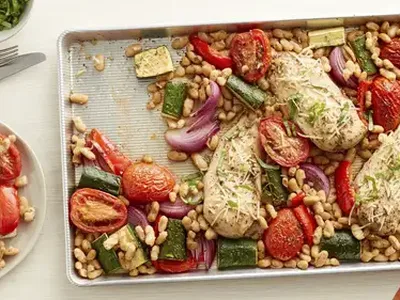
Sheet-Pan Tuscan Chicken with Roasted Vegetables and Beans