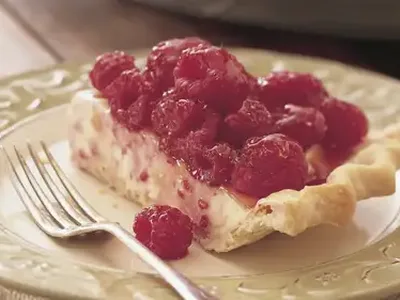
How to Bloom Gelatin
Blooming gelatin means soaking powdered gelatin in cold liquid for 5 minutes before heating. The granules absorb water and swell up to 10 times their original size, creating a smooth gel when melted.
Why it matters
Blooming prevents lumps. Skip it and you get grainy desserts with chewy bits. Properly bloomed gelatin dissolves in 15 seconds when heated to 110F. It sets firmer too, using 25% less gelatin for the same texture.
What you need
Steps
Pour 1/4 cup cold liquid into a small glass bowl. Water works. So does juice or milk. Temperature matters: 40F to 60F. Warm liquid kills gelling power.
Sprinkle 1 packet (2 1/4 teaspoons) powdered gelatin evenly across the surface. Don't dump it in one spot. Watch the granules turn translucent as they absorb liquid, like tiny glass beads.
Let it sit untouched for 5 minutes. No stirring. The mixture thickens into a wrinkled, semi-solid mass that looks like applesauce. Touch it with a spoon and it springs back slightly.
Check readiness by tilting the bowl. Properly bloomed gelatin won't pour. It slides as one thick piece. See dry powder on top? Wait 2 more minutes.
Microwave for 20 seconds or heat in a saucepan until it reaches 110F to 140F. The solid mass melts into clear liquid in 15 seconds. Stir once. Any graininess means it needs 10 more seconds of heat.
Add the melted gelatin immediately to your recipe liquid. Stir for 30 seconds. Waiting longer than 2 minutes lets it cool below 80F and start setting in streaks.
Common Mistakes
Using hot liquid to bloom
What happens: Gelatin loses 50% of its gelling strength above 140F
Fix: Always use cold liquid between 40F and 60F
Stirring while blooming
What happens: Creates lumps that won't dissolve properly
Fix: Sprinkle evenly and leave untouched for 5 minutes
Blooming in too much liquid
What happens: Takes 15 minutes instead of 5, dilutes your recipe
Fix: Use exactly 1/4 cup liquid per packet
Overheating when melting
What happens: Destroys gelling power, dessert stays liquid
Fix: Keep temperature between 110F and 140F
Troubleshooting
if gelatin won't dissolve after heating
Then: strain out lumps and start over with fresh gelatin at proper temperatures
if bloomed gelatin sets before you use it
Then: reheat gently to 110F, stirring until liquid again
Related Techniques
FAQ
Can I bloom gelatin in juice instead of water?
Yes, but avoid pineapple, kiwi, papaya, ginger, or fig juice. These contain enzymes that destroy gelatin's proteins. Your dessert will never set. Use apple, grape, or citrus juices at 40F to 60F. The acid in citrus actually makes gelatin set 20% firmer. Bloom time stays at 5 minutes regardless of liquid type.
How much gelatin do I need per cup of liquid?
One packet (2 1/4 teaspoons) sets 2 cups of liquid into a firm gel you can slice. For a softer set that barely holds its shape, use 1 packet per 3 cups. For extra-firm gummies, use 1 packet per 1 cup. Each packet contains 7 grams of gelatin. Professional pastry chefs use 1% to 3% gelatin by weight of total liquid.
Does blooming work with vegetarian gelatin substitutes?
No. Agar needs 195F water to dissolve. Pectin requires 180F and sugar. Carrageenan dissolves at 140F minimum. Only animal-based gelatin blooms in cold liquid. These substitutes need different ratios too. Agar sets twice as firm as gelatin at the same concentration. Most need 1 tablespoon to replace 1 packet of gelatin.
Why does my gelatin smell bad when blooming?
Fresh gelatin smells faintly like wet dog or leather. That's normal. It comes from the collagen source. The smell disappears completely once you add it to flavored liquids. Bad gelatin smells sour or rotten. Check the expiration date. Properly stored gelatin lasts 3 years. Once opened, use within 6 months.
Recipes Using This Technique
Chocolate Haupia Bars with Coconut Crust
Homemade Marshmallow Fluff with Egg Whites
Layered Yogurt-Gelatin Ribbon Salad
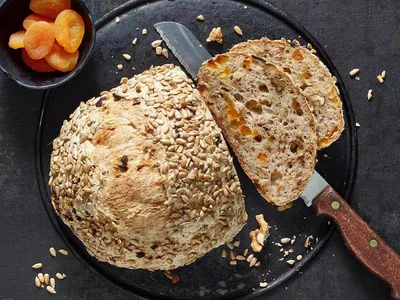
Gluten-Free Apricot Bread with Psyllium
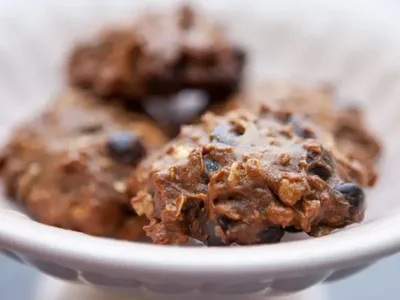
Vegan Chocolate Chip Cookies with Flax Egg