How to Brine Meat
Brining soaks meat in saltwater before cooking. The salt changes the protein structure so meat holds 10-15% more moisture during cooking.
Why it matters
Brined meat stays juicy even when overcooked by 10-15 degrees. Salt penetrates deep into the muscle fibers, not just the surface. A 12-hour brine adds more flavor than any dry rub. Works on everything from chicken breasts to pork shoulders.
What you need
Steps
Mix 1/4 cup kosher salt per quart of cold water in a large bowl. Stir for 30 seconds until salt dissolves completely. Water turns from cloudy to clear when ready. For sweet brine, add 2 tablespoons sugar per quart.
Add aromatics if using. Crush 6 garlic cloves with the flat side of a knife. Toast 1 tablespoon peppercorns in a dry pan until they smell peppery, about 2 minutes. Add both to brine with 3 bay leaves.
Place meat in brine, ensuring it's completely submerged. Use a plate to weigh down floating pieces. Chicken breasts need 2-4 hours. Whole chickens need 8-12 hours. Pork chops need 4-6 hours. Turkey needs 12-24 hours.
Cover container and refrigerate at 38-40F. Set a timer. Over-brining makes meat taste like deli ham. The surface feels slightly tacky when properly brined, not slimy.
Remove meat from brine and pat completely dry with paper towels. Discard brine. Let meat sit at room temperature for 30 minutes before cooking. The surface should look matte, not shiny.
Cook as normal but reduce added salt by 50%. Brined meat browns faster due to surface sugars. Lower heat by 25 degrees or watch carefully. Internal temp remains the same: 165F for poultry, 145F for pork.
Common Mistakes
Using table salt instead of kosher salt
What happens: Over-salted meat because table salt is twice as salty by volume
Fix: Use half the amount if substituting table salt, or stick to kosher salt
Brining at room temperature
What happens: Bacterial growth makes meat unsafe to eat
Fix: Always brine in the refrigerator below 40F
Not drying meat after brining
What happens: Wet surface steams instead of searing, no browning
Fix: Pat dry with paper towels and air-dry 30 minutes before cooking
Reusing brine or cooking with it
What happens: Raw meat contamination causes food poisoning
Fix: Always discard brine after use, never reuse or cook with it
Troubleshooting
Meat tastes too salty after brining
Then: Soak in fresh cold water for 30 minutes to draw out excess salt, then pat dry
No refrigerator space for large container
Then: Use 2-gallon zip-top bags inside a rimmed baking sheet, or brine in a cooler with ice packs keeping temp below 40F
Forgot to brine ahead of time
Then: Quick-brine thin cuts in double-strength solution (1/2 cup salt per quart) for 1 hour maximum
Related Techniques
FAQ
Can I brine frozen meat?
No. Thaw completely first. Frozen meat won't absorb the brine evenly. The outer layers get too salty while the center stays unseasoned. A 4-pound frozen chicken takes 24 hours to thaw in the fridge at 40F. Only then should you start the 12-hour brine.
What's the salt to water ratio for different meats?
Use 1/4 cup kosher salt per quart for poultry and pork. Beef needs less, about 3 tablespoons per quart. Delicate fish like salmon only needs 2 tablespoons per quart for 30 minutes. Double these amounts for quick 1-hour brines. The 6% salt solution is the sweet spot for most meats.
Do I need to rinse meat after brining?
Usually no. Rinsing washes away flavor compounds that stuck to the surface. Just pat dry with paper towels. Only rinse if you accidentally over-brined. A proper 12-hour brine penetrates 3/4 inch deep into the meat. Rinsing only removes surface salt.
How much liquid do I need?
Enough to cover the meat by 1 inch. A 5-pound chicken needs about 2 quarts. Four pork chops need 1.5 quarts. A 15-pound turkey needs 2 gallons. Use the smallest container that fits to minimize liquid needed. Gallon zip-top bags work great for anything under 5 pounds.
Recipes Using This Technique
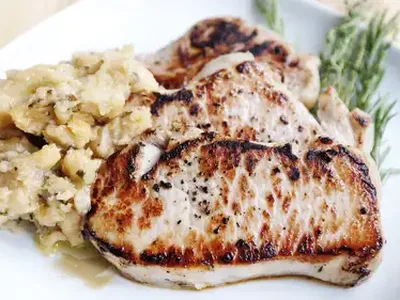
Beer Brined Pork Chops with Herb Roasted Apples

Best Brined Turkey Recipe for Juicy Roasted Holiday Bird
Homemade Halloumi Cheese from Raw Milk

Jalapeno Potato Chaat Cups
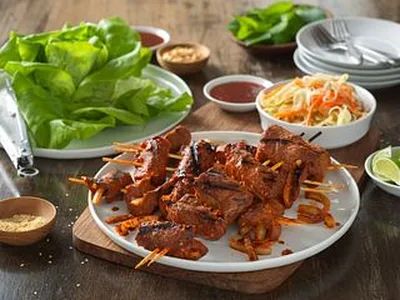
Korean Flat Iron Steak Lettuce Wraps with Pickled Vegetables