How to Marinate Meat
Marinating meat means soaking raw meat in a seasoned liquid for 30 minutes to 24 hours before cooking. The acid, salt, and oil in the marinade break down tough muscle fibers and add flavor from the outside in.
Why it matters
A good marinade does three things. It tenderizes tough cuts by breaking down proteins with acid. It seasons meat all the way through instead of just on the surface. It creates a caramelized crust when the sugars in the marinade hit high heat.
What you need
Steps
Mix your marinade in a measuring cup. A basic ratio is 3 parts oil to 1 part acid plus 1 teaspoon salt per pound of meat. Whisk until the salt dissolves completely. Taste it. The marinade should taste too salty and too sour on its own.
Pat the meat dry with paper towels. Trim off any silver skin or excess fat. Cut chicken breasts horizontally to create two thin cutlets if they're thicker than 1 inch. Score flank steak against the grain every 2 inches, cutting 1/4 inch deep.
Place meat in a gallon zip-top bag. Pour in marinade. Press out all air before sealing. The meat should be completely submerged. Massage the bag for 30 seconds to coat every surface. You'll hear the marinade squishing around.
Refrigerate on a plate to catch leaks. Chicken needs 2-4 hours. Pork needs 4-8 hours. Beef can go 8-24 hours. Fish needs just 30 minutes. Turn the bag every 2 hours if you remember.
Remove meat from marinade 30 minutes before cooking. Let it come to room temperature. Discard the used marinade. Pat the surface completely dry with paper towels. You should see no pooling liquid.
Cook using high heat. Grill at 450F, broil 6 inches from element, or sear in a cast iron pan over medium-high. The sugars will caramelize to deep brown in 3-5 minutes per side. Check internal temp with thermometer: 165F for chicken, 145F for pork, 135F for beef.
Common Mistakes
Using too much acid
What happens: Meat turns mushy and gray on the outside
Fix: Keep acid under 25% of total marinade volume
Marinating at room temperature
What happens: Bacteria multiply rapidly above 40F
Fix: Always marinate in the refrigerator
Reusing marinade that touched raw meat
What happens: Food poisoning from cross-contamination
Fix: Reserve some marinade before adding meat or boil used marinade for 5 minutes
Not drying meat before cooking
What happens: Meat steams instead of searing, no browning
Fix: Pat completely dry and let sit 10 minutes before cooking
Troubleshooting
Meat tastes too salty after marinating
Then: Rinse under cold water for 10 seconds and pat dry. Next time reduce salt to 3/4 teaspoon per pound
Outside burns before inside cooks through
Then: Move to indirect heat on grill or reduce oven to 325F after initial sear. Use thermometer to check doneness
Marinade won't stick to meat
Then: Add 1 tablespoon honey or brown sugar per cup of marinade. Sugar helps it cling and promotes browning
Related Techniques
FAQ
Can I marinate frozen meat?
Yes, but add 50% more time. A frozen chicken breast needs 12-18 hours instead of 8-12 hours. The marinade penetrates as the meat thaws. Place the bag on a rimmed baking sheet in case of leaks. The texture won't be quite as good as marinating thawed meat because ice crystals damage muscle fibers.
What's the best oil for marinades?
Use a neutral oil with a high smoke point. Grapeseed oil works best at 420F smoke point. Canola oil at 400F costs less. Olive oil burns at 375F so save it for marinades you'll use with lower heat cooking. You need 1/4 cup oil per pound of meat minimum to carry fat-soluble flavors into the meat.
How do I know if marinade has gone bad?
Fresh marinade smells like its ingredients. Bad marinade smells sour or rotten after 3 days in the fridge. Look for cloudiness, bubbles, or slime. Marinades with fresh herbs last 2 days. Marinades with just oil, vinegar, and dried spices last 7 days refrigerated.
Can I speed up marinating time?
Score meat every 1/2 inch to increase surface area. Pound chicken to 1/2 inch thickness. Cut beef into 1-inch cubes. These tricks reduce marinating time by 50%. Adding 1 tablespoon salt per cup of marinade also speeds penetration. But nothing beats time for deep flavor.
Recipes Using This Technique
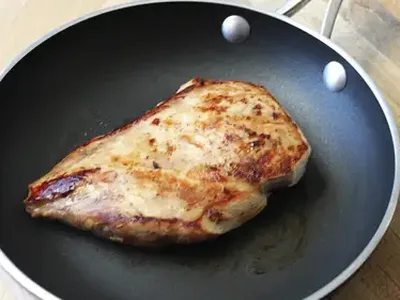
Freeze-Ahead Marinated Asian-Style Chicken Breasts
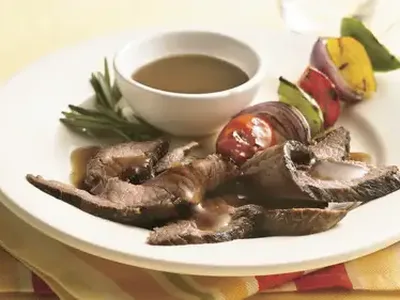
Grilled Flank Steak with Rosemary-Balsamic Glaze
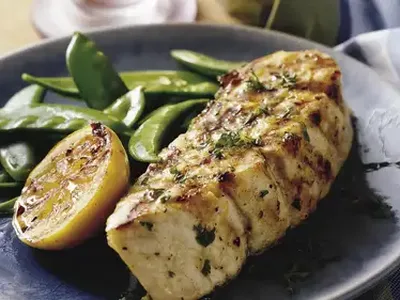
Grilled Lemon Garlic Halibut Steaks with Fresh Herbs
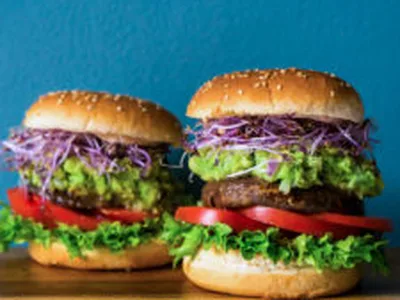
Grilled Portobello Burger with Avocado
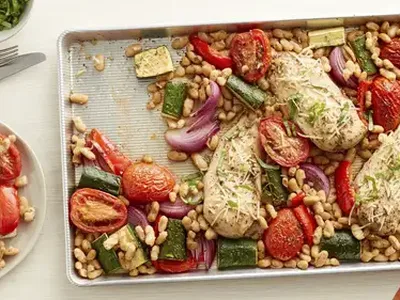
Sheet-Pan Tuscan Chicken with Roasted Vegetables and Beans