How to Deep Fry
Deep frying cooks food by submerging it completely in oil heated to 325F-375F. The hot oil creates a crispy exterior while cooking the inside through conduction.
Why it matters
Deep frying achieves textures no other method can match. You get a shatteringly crisp crust in 2-8 minutes. The oil seals moisture inside while browning the outside. Properly fried food absorbs less oil than pan-fried food because the high temperature creates steam that pushes outward.
What you need
Steps
Fill your pot with oil to a depth of 3 inches, leaving at least 3 inches of space from oil surface to pot rim. Clip thermometer to side with tip submerged but not touching bottom. Heat over medium-high until oil reaches your target temperature, usually 350F-375F.
Pat food completely dry with paper towels. Moisture causes violent bubbling and oil splatter. Season or coat food while oil heats. Set up your draining station with paper towel-lined sheet pan near the stove.
Test oil temperature by dropping in a small piece of bread. It should sizzle immediately and turn golden brown in 60 seconds at 350F. Adjust heat to maintain steady temperature throughout cooking.
Lower food into oil using spider or slotted spoon. Work in small batches. Oil temperature will drop 25-50 degrees when food goes in. Never fill pot more than halfway with food. Bubbling should be steady but not violent.
Stir gently after 30 seconds to prevent sticking. Fry until golden brown, typically 2-4 minutes for small items, 5-8 minutes for larger pieces. Listen for the sizzle to quiet down, which signals moisture has cooked out.
Remove food when it floats and looks golden brown. Lift with spider, letting excess oil drain back into pot for 5 seconds. Transfer to paper towel-lined pan. Season immediately while hot.
Let oil return to target temperature between batches, about 2-3 minutes. Skim out any floating bits with spider. Continue with remaining batches. Turn off heat and let oil cool completely before storing.
Common Mistakes
Crowding the pot with too much food
What happens: Oil temperature crashes below 300F, food absorbs grease and turns soggy
Fix: Fry in batches using no more than 1/4 of oil volume at once
Using oil that's too cool
What happens: Food absorbs excess oil and never develops crispy crust
Fix: Wait for oil to reach 350F-375F and maintain temperature with thermometer
Moving food too much while frying
What happens: Coating falls off and oil temperature fluctuates
Fix: Let food cook undisturbed for first minute, then stir gently once
Reusing oil too many times
What happens: Oil breaks down, smokes at lower temperatures, makes food taste bitter
Fix: Strain oil after each use, store in dark place, discard after 3-4 uses
Troubleshooting
Oil is smoking and food burns outside but stays raw inside
Then: Reduce heat immediately. Oil is too hot, likely above 400F. Let cool to 350F before continuing.
Coating falls off during frying
Then: Let coated food rest 10 minutes before frying. Double-dip in flour, egg, then breadcrumbs for better adhesion.
Oil foams up violently when adding food
Then: Food has too much surface moisture. Pat dry again and let sit 5 minutes uncovered before frying.
Related Techniques
FAQ
What oil should I use for deep frying?
Choose oils with smoke points above 400F. Peanut oil works best, with a smoke point of 450F and neutral flavor. Canola oil at 400F smoke point costs less. Vegetable oil blends work fine at 400F-450F. Avoid olive oil, which smokes at 375F. Buy 48-64 ounces for a standard 5-quart pot.
How do I know when oil is ready without a thermometer?
Drop a 1-inch cube of white bread into the oil. Count the seconds. At 350F, bread turns golden brown in 60 seconds. At 375F, it browns in 40 seconds. A wooden spoon handle dipped in oil produces steady bubbles at 350F. These methods work but thermometers give accuracy within 5 degrees.
Can I reuse frying oil?
Yes, strain cooled oil through fine-mesh strainer or coffee filter to remove particles. Store in original container or glass jar in cool, dark place. Reuse 3-4 times maximum. Oil darkens with each use. Discard when it smokes below 350F, smells rancid, or foams excessively. Label container with number of uses and date.
Why does my fried food come out greasy?
Greasy food means oil temperature dropped below 325F during cooking. This happens from overcrowding or starting with cold oil. Use a thermometer to maintain 350F-375F. Fry in small batches using maximum 1/4 of pot volume. Properly fried food contains only 8-15% oil by weight. Pan-fried food often exceeds 20% oil content.
Recipes Using This Technique
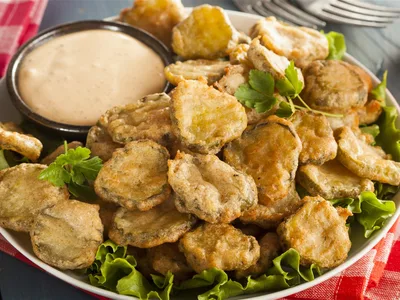
Crispy Fried Pickles with Cajun Mayo Dip
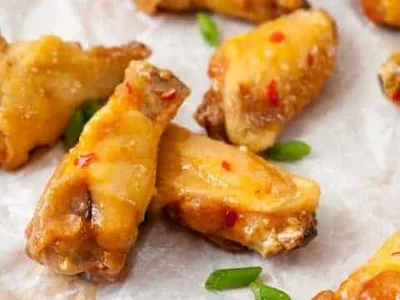
Gluten-Free Asian Sweet Chili Fried Chicken Wings
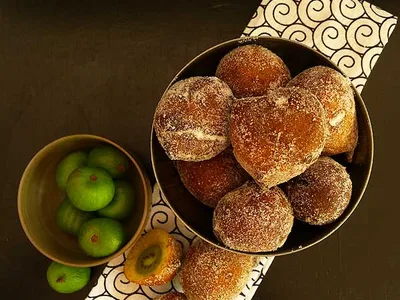
Fried KiwiBerry Doughnuts with Yeast Batter
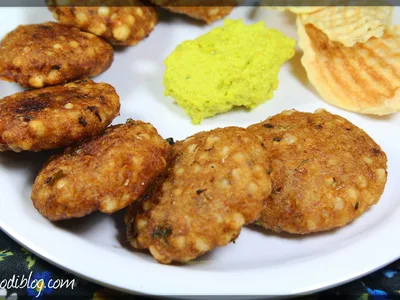
Sabudana Wada: Crispy Fried Sago Pearl Fritters
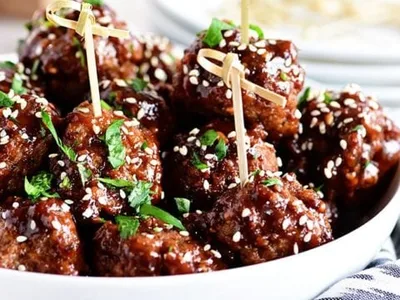
Asian Sweet and Tangy Glazed Meatballs