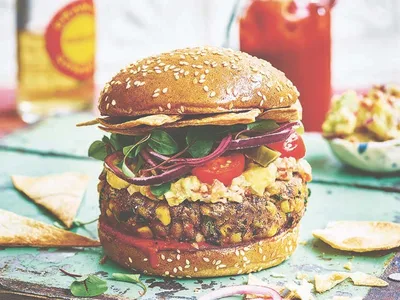
How to Pan Fry
Pan frying cooks food in a thin layer of hot fat in an open skillet over direct heat. The food touches the pan bottom and develops a golden crust while the interior cooks through.
Why it matters
Pan frying creates texture contrast you can't get from baking or steaming. The direct contact with hot metal forms a crispy exterior in 3-5 minutes. You control the browning by adjusting heat and timing. Foods stay tender inside while developing complex flavors from the Maillard reaction on the surface.
What you need
Steps
Pat food completely dry with paper towels. Moisture creates steam that prevents browning. Season both sides with salt 15 minutes before cooking. This draws out surface moisture and seasons the interior.
Heat your skillet over medium-high heat for 2-3 minutes. Add 2-3 tablespoons oil and swirl to coat. The oil should shimmer and move like water when hot enough, around 350F.
Place food in the pan away from you to avoid splatter. Listen for an immediate sizzle. No sizzle means the pan needs another minute of heating. Leave 1 inch between pieces to prevent steaming.
Cook without moving for 3-4 minutes. The food releases naturally when the crust forms. Force means it needs more time. Look for golden-brown edges creeping up the sides before flipping.
Flip once using a spatula or tongs. Press gently for 10 seconds to ensure contact with the hot surface. Cook the second side for 2-3 minutes or until it matches the first side's color.
Check doneness with a thermometer for proteins. Chicken needs 165F, pork 145F, fish 145F. Vegetables should be fork-tender with charred spots. Transfer to a paper towel-lined plate.
Common Mistakes
Moving food too early
What happens: The crust tears off and sticks to the pan
Fix: Wait until food releases naturally, usually 3-4 minutes
Crowding the pan
What happens: Temperature drops below 300F and food steams instead of frying
Fix: Cook in batches with 1-inch spacing between pieces
Using cold or wet ingredients
What happens: Oil temperature crashes and food absorbs grease
Fix: Bring ingredients to room temperature and pat completely dry
Wrong oil choice
What happens: Oil smokes and burns, creating bitter flavors
Fix: Use oils with 400F+ smoke points like canola or grapeseed
Troubleshooting
Food sticks despite waiting
Then: Your pan isn't hot enough or needs more oil. Add 1 tablespoon oil around the edges and increase heat
Outside burns before inside cooks
Then: Reduce heat to medium and cover pan for 2-3 minutes to trap heat without more browning
Oil starts smoking heavily
Then: Remove pan from heat immediately, wipe out oil with paper towels, start over at medium heat
Related Techniques
FAQ
How much oil should I use?
Use 2-3 tablespoons for a 12-inch skillet, creating a 1/8-inch layer. The oil should come halfway up thin items like fish fillets. For thicker foods like chicken breasts, the oil covers the bottom with enough to creep slightly up the sides when you add food. Too little oil causes sticking. Too much turns pan frying into shallow frying.
What's the right temperature for pan frying?
Maintain oil between 325F and 375F for best results. Drop a breadcrumb in to test. It should sizzle immediately and turn golden in 60 seconds. Most foods pan fry best at 350F. Use medium-high heat on most stoves, adjusting down if smoking occurs. An infrared thermometer helps nail the temperature every time.
Can I reuse the oil?
Yes, strain cooled oil through a coffee filter into a clean container. Label with the date and what you cooked. Reuse within 1 week for similar foods. Discard after 3 uses or when it smells rancid, looks dark, or smokes at 325F. Each use breaks down the oil structure and lowers the smoke point by 50-100F.
Why does my breading fall off?
Breading fails for three reasons. First, excess moisture prevents adhesion. Pat protein dry and let breaded food rest 5 minutes before frying. Second, oil below 325F doesn't set the coating fast enough. Third, moving food too early tears the fragile crust. Wait 3-4 minutes until the bottom edge looks crispy before attempting to flip.
Recipes Using This Technique
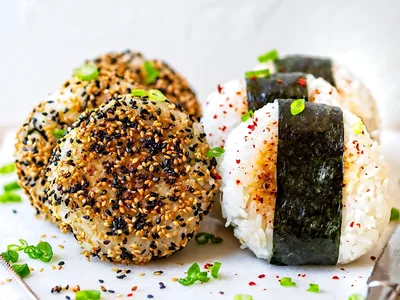
Grilled Jasmine Rice Patties with Tuna and Avocado
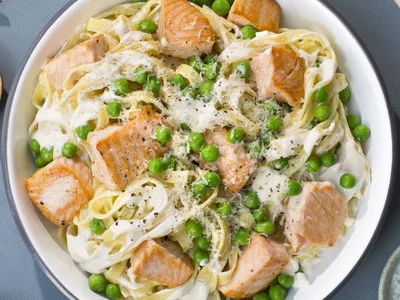
Creamy Pasta with Salmon and Peas
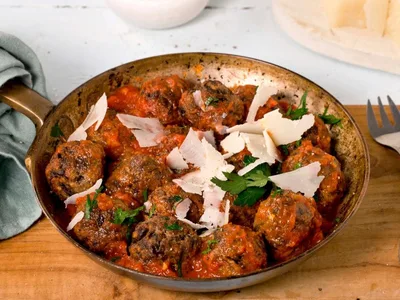
Mushroom Balls in Tomato Sauce
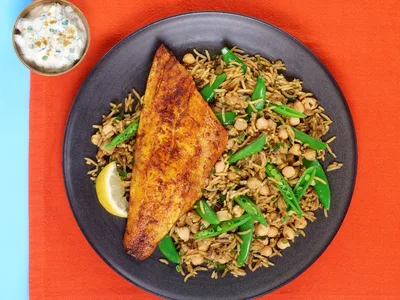
Pan-Fried Sea Bass with Saag Aloo Chickpea Rice
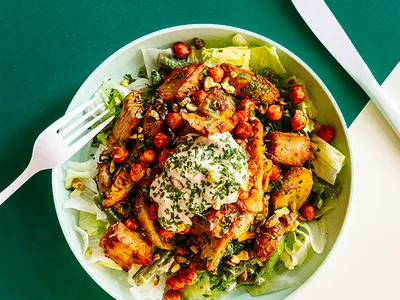
Vegan Caesar Salad with Crispy Potatoes