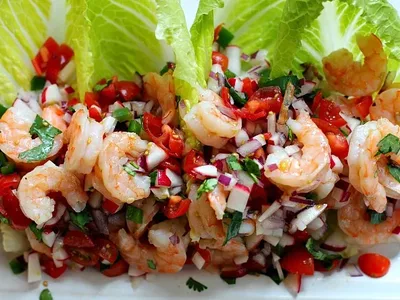
How to Devein Shrimp
Deveining removes the dark digestive tract that runs along a shrimp's back. The vein tastes gritty and looks unappetizing when cooked.
Why it matters
Clean shrimp cook evenly and taste better. The vein holds sand and waste that create bitter flavors. Deveined shrimp absorb marinades 30% faster than undeveined ones. Professional kitchens devein every single shrimp.
What you need
Steps
Peel the shell starting from the head end, leaving the tail on if desired. The shell should crack and separate easily when you pinch it between your thumb and forefinger. Fresh shrimp shells pop off cleanly. Old ones stick.
Hold the shrimp belly-up in your non-dominant hand. Look for the dark vein running along the curved back. It shows through the translucent flesh as a thin black or brown line about 1/16 inch wide.
Make a shallow cut along the shrimp's back using your paring knife. Cut only 1/8 inch deep. You'll feel the knife hit the vein. The flesh splits open to reveal the dark tract inside.
Lift out the vein with the knife tip or a toothpick. It pulls free in one piece when fresh. Rinse the shrimp under cold water for 2-3 seconds to wash away any remaining bits.
Pat each shrimp dry with paper towels. Wet shrimp won't sear properly. They splatter oil and steam instead of browning. Store deveined shrimp on ice until cooking time.
Check your work by holding each shrimp up to the light. Properly deveined shrimp show clean, pink flesh with no dark lines. Process 1 pound of medium shrimp in about 8-10 minutes once you get the rhythm.
Common Mistakes
Cutting too deep into the shrimp
What happens: The shrimp splits in half and falls apart during cooking
Fix: Keep cuts under 1/8 inch deep, just enough to expose the vein
Deveining frozen shrimp
What happens: The vein breaks into pieces and sticks to the flesh
Fix: Thaw shrimp completely in cold water for 15-20 minutes first
Using a dull knife
What happens: The flesh tears instead of cutting cleanly
Fix: Sharpen your paring knife or use a fresh razor blade
Skipping the rinse step
What happens: Sand and vein fragments remain on the shrimp
Fix: Always rinse under cold water after removing the vein
Troubleshooting
The vein breaks into pieces when pulling
Then: Use running water to flush out fragments, or make a slightly deeper cut to expose more vein
Can't see the vein through the shell
Then: Peel first, then look for the dark line against white flesh under bright light
Shrimp curl tightly after deveining
Then: Make 3-4 shallow scores on the belly side to relax the muscle
Related Techniques
FAQ
Do I really need to devein small shrimp?
Shrimp under size 51/60 (tiny salad shrimp) have veins too small to taste. Focus on deveining shrimp size 31/40 and larger. The bigger the shrimp, the more noticeable the vein. Jumbo shrimp (U-15 count) have veins up to 1/8 inch thick that definitely need removal. Many cooks skip deveining on anything smaller than 41/50 count.
Can I buy pre-deveined shrimp?
Yes, but they cost 15-20% more per pound. Check the label for "P&D" (peeled and deveined) or "EZ peel" with split shells. Pre-deveined shrimp save about 10 minutes per pound of prep time. They work great for weeknight dinners. Buy shell-on shrimp for better flavor when you have time. The shells protect the meat during storage and add taste to stocks.
What's the difference between the vein and the white stuff?
The dark vein is the digestive tract. The white stringy bit underneath is the nerve cord, which is edible. Only remove the dark vein. Some recipes call this "sand vein" because it often contains grit. The vein runs the full length of the shrimp, typically 2-4 inches in medium shrimp.
How long do deveined shrimp last?
Store deveined raw shrimp on ice for maximum 24 hours. The exposed flesh deteriorates faster than shell-on shrimp. Freeze deveined shrimp in a single layer on a baking sheet, then transfer to bags within 2 hours. They keep frozen for 3 months. Fresh shell-on shrimp last 2-3 days refrigerated.
Recipes Using This Technique
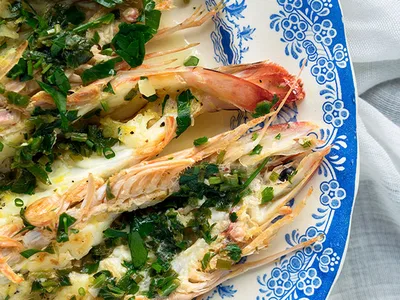
Garlic Butter Butterfly Prawns with Lemon Wine Sauce
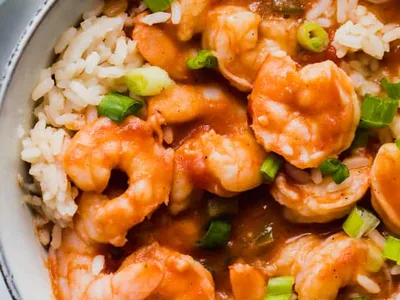
Creole Shrimp Étouffée with Golden Roux and Holy Trinity
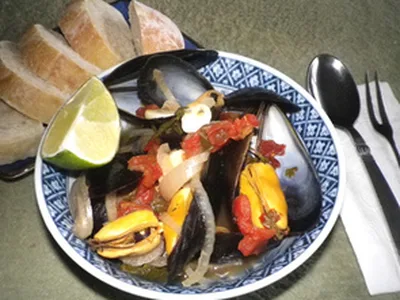
Mussels, Clams, or Shrimp in Chipotle Tomato Broth
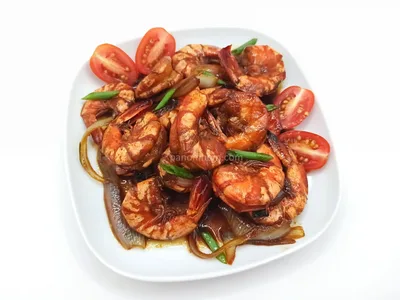
Pan-Seared Tiger Shrimp in Butter Worcestershire Sauce
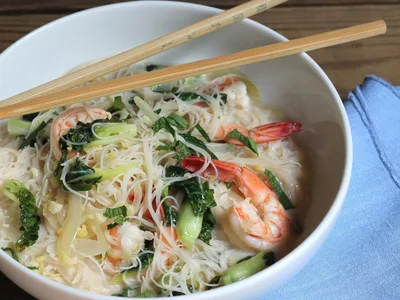
Shrimp and Rice Noodles in Coconut Broth