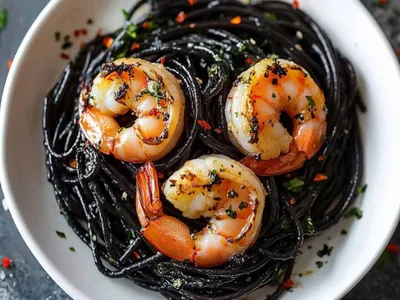
How to Cook Shrimp
Cooking shrimp means applying heat to turn raw shellfish into firm, opaque protein in 2-8 minutes. The technique requires precise timing because shrimp overcook faster than any other seafood.
Why it matters
Properly cooked shrimp have a snap when you bite them and taste sweet. Overcooked shrimp turn rubbery in 30 seconds. This technique works for any cooking method: sautéing, grilling, boiling, or roasting. Master it once and apply it everywhere.
What you need
Steps
Pat shrimp completely dry with paper towels. Moisture creates steam. Steam prevents browning. Season with 1/2 teaspoon salt per pound and let sit 5 minutes at room temperature.
Heat 2 tablespoons oil in your skillet over medium-high heat for 90 seconds. The oil should shimmer and move like water when you tilt the pan. A drop of water should sizzle immediately on contact.
Add shrimp in a single layer without crowding. Leave 1/4 inch between each piece. Work in batches if needed. The shrimp should sizzle the moment they hit the pan.
Cook without moving for 60-90 seconds. Watch the edges turn pink and opaque, creeping up from the bottom. The raw gray color should retreat toward the center like a receding tide.
Flip each shrimp when the pink color reaches halfway up the side. Use tongs, not a spatula. The cooked side should show golden brown spots like freckles.
Cook 30-60 seconds on the second side until the center shows no gray translucence. The internal temperature hits 120°F. The flesh feels firm but still gives slightly when pressed.
Remove shrimp immediately to a plate. They continue cooking from residual heat and reach 125°F final temperature. The texture stays tender for exactly 3 minutes before tightening.
Common Mistakes
Cooking shrimp straight from the fridge
What happens: Cold shrimp drop pan temperature, causing steaming instead of searing
Fix: Let shrimp sit at room temperature 15 minutes before cooking
Using medium or low heat
What happens: Shrimp release moisture and stew in their own juices
Fix: Always use medium-high to high heat for a 2-3 minute total cook time
Overcrowding the pan
What happens: Temperature drops below 300°F and shrimp steam instead of sear
Fix: Cook in batches with 1/4 inch space between each shrimp
Cooking past 125°F internal temperature
What happens: Proteins seize up and texture becomes rubber bands
Fix: Remove at 120°F and let carryover heat finish cooking
Troubleshooting
Shrimp curl into tight C-shapes
Then: Score the underside with 3 shallow cuts before cooking to prevent curling
Gray color remains in the center after cooking
Then: Return to heat for 15-second intervals, checking between each
Shrimp taste mushy or mealy
Then: Buy wild-caught or check for sodium tripolyphosphate on the label to avoid treated shrimp
Related Techniques
FAQ
Should I remove the shell before cooking?
Shell-on shrimp stay 15% juicier and develop better flavor from the shells caramelizing. The trade-off is messier eating. For sautéing, peel them but leave the tail on for presentation. For grilling or roasting, keep shells on. The shell acts like a heat buffer and prevents overcooking. Deveined shell-on shrimp cook in 4-5 minutes versus 2-3 minutes for peeled.
What size shrimp cook fastest?
Shrimp sizes follow a count-per-pound system. 31/40 count means 31-40 shrimp per pound. Smaller numbers mean bigger shrimp. 16/20 count jumbos need 3-4 minutes total. 31/40 count mediums cook in 90 seconds. 51/60 count small shrimp need just 60 seconds. Adjust your timing by 30 seconds for every size category jump.
How do I know when shrimp are done without cutting them open?
Look for three visual cues that happen in sequence. First, the edges turn pink at 30 seconds. Second, the shrimp form a loose C-shape at 60 seconds. Third, the center loses all gray translucence at 90-120 seconds. Touch provides the final test. Press the thickest part gently. Raw shrimp feel mushy. Done shrimp push back with slight springiness. Overcooked shrimp feel hard as pencil erasers.
Can I cook frozen shrimp without thawing?
Yes, but add 2 minutes to cooking time and use a lower temperature. Start frozen shrimp in a cold pan with 1 tablespoon oil. Turn heat to medium, not medium-high. The gradual warming thaws them evenly. After 3 minutes, increase to medium-high to finish cooking. The total time runs 5-6 minutes versus 2-3 for thawed. Pat extremely dry after the first 3 minutes to enable browning.
Recipes Using This Technique
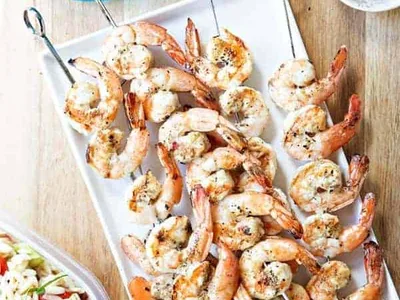
Grilled Garlic Basil Shrimp with Lemon Marinade
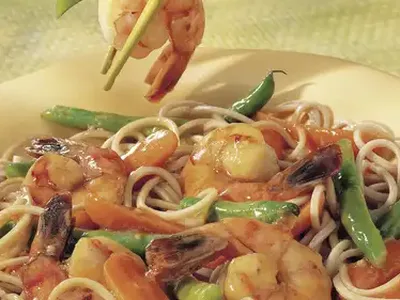
Japanese Shrimp and Soba Noodles with Crisp-Tender Vegetables
Sheet Pan Shrimp with Roasted Bell Peppers and Zucchini
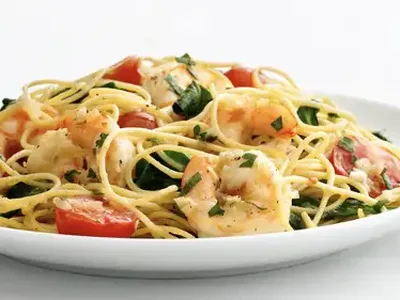
Skinny Garlic Shrimp Pasta with Cherry Tomatoes and Spinach
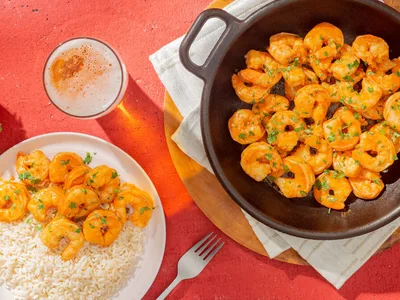
Speedy Sizzling Chipotle Shrimp