How to Make Bone Broth
Bone broth is stock made by simmering bones for 12-24 hours to extract collagen, minerals, and amino acids. The long cooking time breaks down connective tissue and releases nutrients water alone cannot pull out.
Why it matters
Bone broth delivers 10-15 grams of protein per cup without any meat. The collagen converts to gelatin, which sets firm when chilled. Store-bought stocks simmer for 4-6 hours maximum. They taste fine but lack the body and nutrition of true bone broth.
What you need
Steps
Roast bones on a rimmed baking sheet at 450F for 45 minutes until deep brown and sizzling. Beef bones smell like steak. Chicken bones turn golden. This caramelization adds depth you cannot get from raw bones.
Transfer hot bones to your pot using tongs. Add cold water to cover by 2 inches, about 12-14 cups. Pour in 2 tablespoons vinegar. Let sit 30 minutes. The acid helps extract minerals.
Bring to a gentle simmer over medium heat, which takes 20-30 minutes. Watch for small bubbles breaking the surface every 2-3 seconds. Skim gray foam with a ladle for the first hour. This removes impurities that cloud the broth.
Add aromatics after skimming stops. Drop in 1 quartered onion, 2 smashed garlic cloves, 2 bay leaves, and 1 tablespoon peppercorns. Keep heat low. The surface should barely move.
Simmer 12 hours for chicken bones, 24 hours for beef. Check water level every 4 hours and add hot water to keep bones covered. The kitchen smells like Sunday dinner. Bones crumble when pressed with a spoon when done.
Strain through fine mesh into a large bowl. Press solids to extract liquid. Cool 1 hour at room temperature, then refrigerate. Good broth forms a 1/4-inch fat cap and jiggles like Jell-O when cold.
Common Mistakes
Starting with a rolling boil
What happens: Cloudy broth that tastes muddy
Fix: Keep temperature at 195-205F with lazy bubbles
Using only marrow bones
What happens: Fatty broth with no body
Fix: Mix 50% marrow bones with 50% knuckle or joint bones
Adding vegetables at the start
What happens: Bitter, overcooked vegetable flavor
Fix: Add aromatics after first hour of cooking
Covering the pot completely
What happens: Broth won't reduce and concentrate
Fix: Leave lid slightly ajar for evaporation
Troubleshooting
Broth doesn't gel when cold
Then: Add 2-3 chicken feet or a split pig's foot next batch for extra collagen
Broth tastes weak after 24 hours
Then: Reduce strained broth by half over high heat to concentrate flavor
White scum keeps forming
Then: Lower heat to 195F and skim every 20 minutes for first 2 hours
Related Techniques
FAQ
Can I reuse the bones for a second batch?
Yes, but the second batch yields 50% less gelatin and flavor. Add fresh bones to boost it. Remouillage, as chefs call it, works best mixed with first-run broth. Use within 3 days since used bones spoil faster.
How long does homemade bone broth last?
Refrigerated broth keeps 5 days in sealed containers. The fat cap acts as a natural seal. Frozen broth lasts 6 months. Freeze in ice cube trays for 2-ounce portions or mason jars with 1-inch headspace. Thaw overnight in the fridge.
What's the ideal ratio of bones to water?
Use 3-4 pounds of bones per gallon of water. This ratio produces broth that gels firmly when chilled. Too many bones waste money. Too few make weak broth. A full 8-quart pot needs 12-16 pounds of bones for restaurant-quality results.
Why does my broth taste metallic?
Metallic flavors come from cooking in aluminum or cast iron pots. The long cooking time and slight acidity react with these metals. Use stainless steel, enamel, or ceramic. Also avoid tap water high in minerals. Use filtered water for clean taste.
Recipes Using This Technique
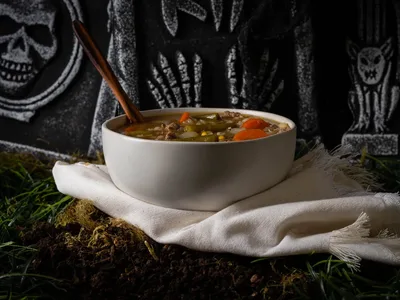
Beef Barley Soup with Root Vegetables
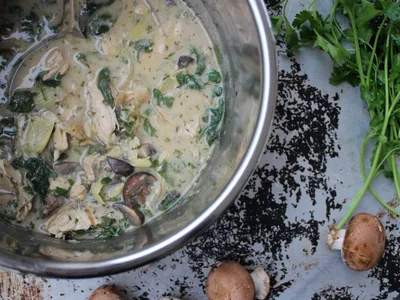
Instant Pot Creamy Artichoke Chicken with Mushrooms
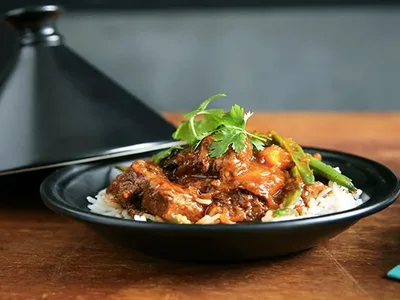
Massaman Beef and Sweet Potato Curry
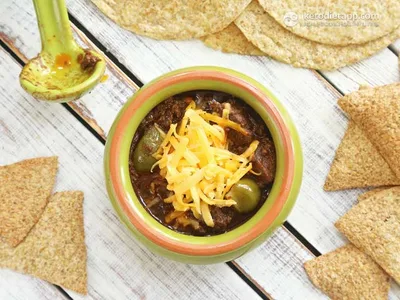
Mexican Beef Chili with Cocoa and Green Peppers
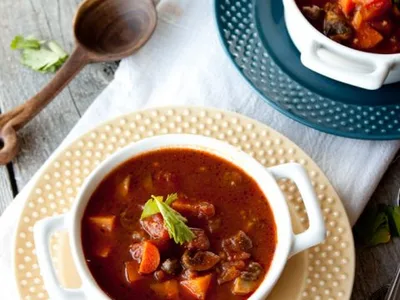
Paleo Sweet Potato Chili with Ground Beef