How to Make Chicken Stock
Chicken stock is flavored water made by simmering chicken bones and vegetables for 4-8 hours. The long cooking extracts gelatin from bones and flavor from aromatics, creating a foundation liquid that adds depth to soups, sauces, and braises.
Why it matters
Stock contains gelatin that gives body to sauces and soups that water or broth can't match. A proper stock reduces by 75% into demi-glace. Store-bought broth lacks this gelatin content. Your homemade stock costs about $2 per gallon versus $8-12 for quality boxed stock.
What you need
Steps
Heat your 12-quart stockpot over medium-high heat. Add 3-4 pounds raw chicken bones or 1 leftover roasted chicken carcass. Roast raw bones first at 425F for 45 minutes until deep golden brown if you want darker stock.
Cover bones with 16 cups cold water. The water should cover bones by 2 inches. Bring to 180-190F over medium heat, which takes about 20 minutes. You'll see tiny bubbles form on the pot bottom but no rolling boil.
Skim the gray foam that rises to the surface every 20 minutes for the first hour. This scum contains proteins that cloud your stock. After an hour, foam production slows significantly.
Add 2 quartered onions, 3 celery stalks, 2 carrots, 6 peppercorns, 3 bay leaves, and 6 parsley stems. Don't add salt yet. Vegetables should float loosely, not pack the pot.
Maintain 185-190F for 4-8 hours. Check temperature every hour. The surface should barely ripple with occasional lazy bubbles breaking through. A hard boil makes cloudy, greasy stock.
Strain through fine-mesh strainer into a clean pot or bowl. Press solids gently with ladle back to extract liquid. Discard all solids. You should have 8-10 cups of pale golden liquid that wobbles like loose Jell-O when cold.
Cool stock to 70F within 2 hours by setting pot in ice bath. Stir every 15 minutes. Once cool, refrigerate overnight. Fat solidifies on top for easy removal. Stock keeps 5 days refrigerated or 6 months frozen.
Common Mistakes
Boiling the stock hard
What happens: Creates cloudy, greasy stock with muddy flavor
Fix: Keep temperature at 185-190F with barely visible bubbles
Adding salt during cooking
What happens: Stock becomes too salty when reduced for sauces
Fix: Season only when using the finished stock in recipes
Using only white meat or boneless pieces
What happens: Weak stock with no body or gelatin
Fix: Use 70% bones, especially joints, backs, and wings
Skipping the skimming step
What happens: Cloudy gray stock with metallic taste
Fix: Skim foam every 20 minutes for first hour
Troubleshooting
Stock doesn't gel when cold
Then: Use more bones next time, especially knuckles and feet. Reduce stock by half to concentrate gelatin
Stock tastes weak or watery
Then: Simmer 2-3 hours longer or reduce finished stock by 30-50% to concentrate flavors
Stock turned cloudy white
Then: Strain through coffee filter or cheesecloth. Next time maintain lower temperature and avoid stirring
Related Techniques
FAQ
Can I use a slow cooker or pressure cooker?
Yes to both. Slow cookers work great on low for 12-24 hours, maintaining perfect 185-190F temperature automatically. Pressure cookers extract flavor in 90 minutes but produce cloudier stock that won't gel as firmly. Use high pressure for 90 minutes with natural release. The traditional stovetop method gives you most control over clarity and body, but modern appliances save active monitoring time.
What's the difference between stock and broth?
Stock simmers 4-8 hours using mostly bones to extract gelatin and minerals. It contains 3-5 grams of protein per cup from dissolved collagen. Broth cooks 45-90 minutes using more meat than bones, tastes richer immediately but lacks body. Commercial 'bone broth' is actually stock by traditional definitions. Stock becomes firm like Jell-O when refrigerated while broth stays liquid.
How much stock does this recipe make?
Starting with 16 cups water yields 8-10 cups finished stock after evaporation and straining. That's a 40-50% reduction from your starting volume. Each pound of bones produces about 3 cups of stock. Scale up easily by maintaining the ratio of 1 pound bones to 4 cups water. A 20-quart pot handles double batches, yielding 16-20 cups to freeze in portions.
Is roasted or raw chicken better for stock?
Roasted bones at 425F for 45 minutes create darker stock with deeper flavor, similar to beef stock color. Raw bones make lighter, more neutral stock perfect for delicate soups. Leftover rotisserie chicken carcasses work great and add 30% more flavor than raw bones. Mix roasted and raw bones for balanced color and taste. Either way, you need 3-4 pounds of bones for good gelatin extraction.
Recipes Using This Technique
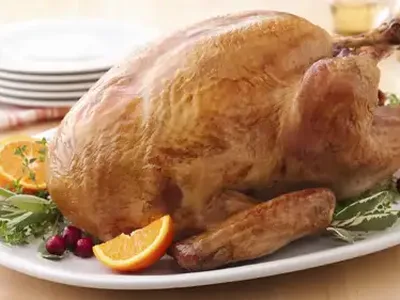
Best Brined Turkey Recipe for Juicy Roasted Holiday Bird
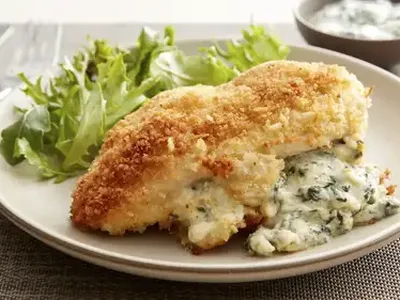
Crispy Pan-Seared Spinach and Artichoke Stuffed Chicken Breasts
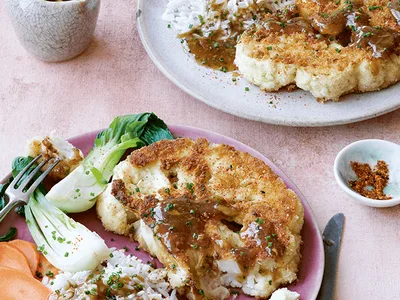
Paneed Cauliflower Steaks with Lemon Ginger Sauce

Tex-Mex Chicken and Rice Soup with Fire Roasted Tomatoes

Traditional Beef Stroganoff with Mushrooms and Sour Cream