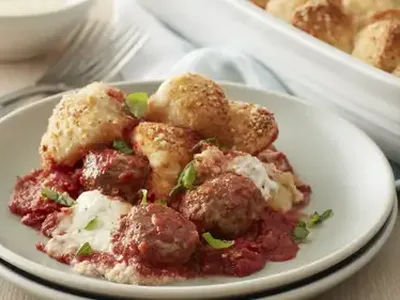
How to Make Breadcrumbs
Making breadcrumbs means grinding dried bread into coarse or fine crumbs for coating foods or adding texture. Fresh breadcrumbs come from soft bread and stay fluffy, while dry breadcrumbs use stale bread and get crunchy.
Why it matters
Store-bought breadcrumbs taste like cardboard. Homemade ones absorb 40% more liquid and brown better. You control the texture from powder-fine to chunky 1/4-inch pieces. Plus you save $3-5 per pound and use up stale bread instead of tossing it.
What you need
Steps
Cut bread into 1-inch cubes using a serrated knife. Fresh bread needs 2-3 days of air drying or 15 minutes at 300F until edges feel crisp but centers stay soft. Day-old French bread works best.
Spread cubes on a half-sheet pan in a single layer. For dry breadcrumbs, bake at 300F for 10-15 minutes, stirring every 5 minutes until golden brown and they sound hollow when tapped. For fresh breadcrumbs, skip this step.
Load 2 cups of bread cubes into food processor. Pulse 5-8 times for coarse crumbs that look like rice grains. Process continuously for 30-45 seconds for fine crumbs resembling coarse sand.
Sift crumbs through a fine-mesh strainer to separate sizes. Large pieces go back in the processor. You want 80% of crumbs between 1/16 and 1/8 inch for even coating.
Store fresh breadcrumbs in an airtight container for 3 days in the fridge or 2 months frozen. Dry breadcrumbs last 6 months in the pantry when moisture content drops below 5%.
Common Mistakes
Using fresh-from-the-oven bread
What happens: Crumbs turn gummy and clump into dough balls
Fix: Let bread dry for 48 hours or toast lightly first
Overprocessing into powder
What happens: Coating burns before food cooks through
Fix: Pulse in 2-second bursts and check texture often
Mixing bread types in one batch
What happens: Uneven texture since white bread processes faster than whole grain
Fix: Process each bread type separately
Storing with too much moisture
What happens: Mold grows within 4-5 days
Fix: Cool completely and add a saltine cracker to absorb moisture
Troubleshooting
Breadcrumbs won't stick to food
Then: Dredge in flour first, then beaten egg, then crumbs. Press firmly for 3 seconds per side
Coating falls off during cooking
Then: Refrigerate breaded items for 30 minutes before cooking to set the coating
Breadcrumbs taste stale after storage
Then: Toast in a dry skillet over medium heat for 2-3 minutes until fragrant
Related Techniques
FAQ
What's the best bread to use?
Day-old French or Italian bread works best, with a moisture content around 35-40%. Sandwich bread creates finer crumbs but absorbs 25% less oil during frying. Sourdough adds tang but processes unevenly due to its dense crumb. For every cup of breadcrumbs needed, start with 2 slices of sandwich bread or a 4-inch section of baguette.
How do I make gluten-free breadcrumbs?
Use gluten-free bread that's at least 3 days old, since it crumbles easier than wheat bread. Rice-based breads yield the crispiest coating, browning in 8-10 minutes at 375F versus 12-15 minutes for regular crumbs. Add 1 teaspoon cornstarch per cup of crumbs to improve binding. Gluten-free crumbs absorb 50% more moisture, so reduce any liquid in recipes by 2 tablespoons per cup of crumbs used.
Can I season breadcrumbs before storing?
Add dried herbs and spices but never salt, which draws moisture and causes clumping within 24 hours. Mix 1 tablespoon dried herbs per 2 cups plain crumbs. Garlic powder works at 1 teaspoon per cup. Parmesan adds flavor but shortens shelf life to 2 weeks refrigerated. For best results, season breadcrumbs just before using.
What's the difference between fresh and dry breadcrumbs in recipes?
Fresh breadcrumbs contain 25-30% moisture and create a softer coating that absorbs sauces. Dry breadcrumbs have under 5% moisture and stay crispy. When substituting, use 1.5 cups fresh for every 1 cup dry called for. Fresh crumbs brown faster, reaching golden color at 350F in 12 minutes versus 18-20 minutes for dry. Fresh works better for meatloaf and stuffing, dry for crispy coatings.
Recipes Using This Technique
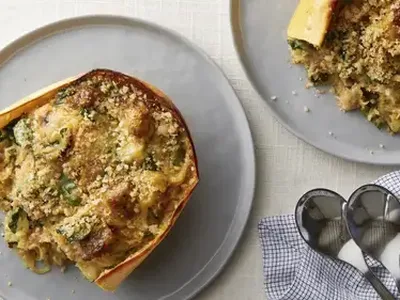
Baked Spaghetti Squash Stuffed with Italian Sausage and Spinach
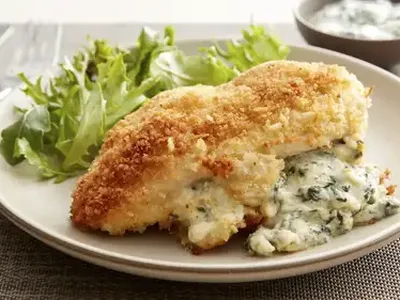
Crispy Pan-Seared Spinach and Artichoke Stuffed Chicken Breasts
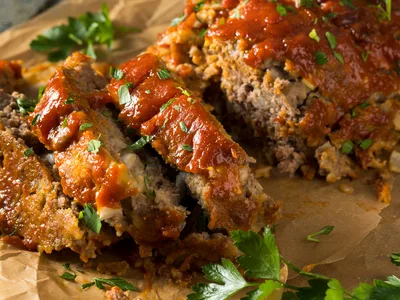
Air Fryer Meatloaf with Ketchup Glaze
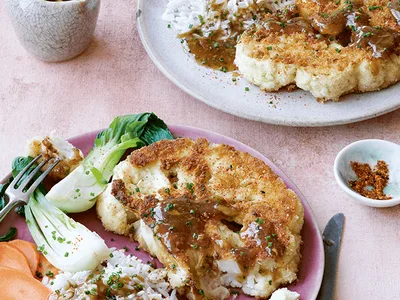
Paneed Cauliflower Steaks with Lemon Ginger Sauce
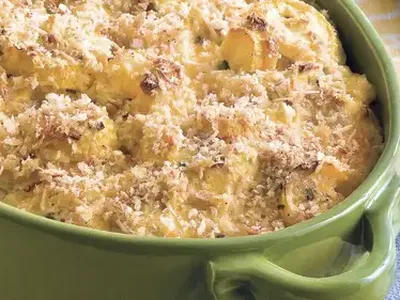
Two-Cheese Summer Squash Casserole with Parmesan Crust