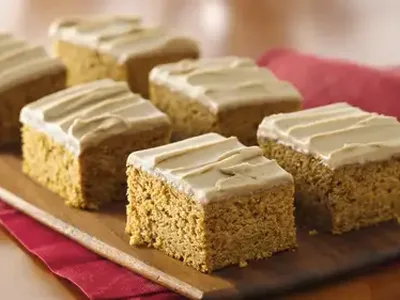
How to Make Buttercream Frosting
Buttercream frosting is a smooth mixture of butter and powdered sugar beaten until fluffy. It pipes easily, holds its shape, and tastes less sweet than other frostings.
Why it matters
Buttercream stays stable at room temperature for 2 days. It pipes cleaner roses than cream cheese frosting. The butter creates a silky texture that melts on your tongue, not a gritty sugar coating. You can flavor it 50 different ways with extracts, cocoa, or fruit purees.
What you need
Steps
Leave 1 cup (2 sticks) unsalted butter on the counter for 60-90 minutes. Press the butter with your finger. It should indent easily but not feel greasy or melted. The ideal temperature is 65-68F.
Beat butter alone in your mixer bowl for 3 minutes at medium speed. The butter goes from pale yellow chunks to nearly white fluff. Scrape the bowl every minute. The mixture doubles in volume and looks like whipped cream.
Sift 3 cups powdered sugar through your fine-mesh sieve directly into a separate bowl. Skip this and your frosting tastes grainy. Those hard lumps never dissolve, even after 10 minutes of beating.
Add powdered sugar to butter 1/2 cup at a time with mixer on low. Wait 30 seconds between additions. The mixture looks crumbly and dry at first. That's normal. After 2 cups, it starts looking like frosting.
Pour in 3 tablespoons whole milk, 1 tablespoon vanilla extract, and 1/4 teaspoon salt. Beat on medium-high for 2 minutes. The frosting lightens by two shades and increases by 30% in volume. Stop when it looks like soft-serve ice cream.
Test consistency by lifting the beater. The frosting should form a peak that slowly bends over after 3 seconds. Too stiff? Add 1 teaspoon milk. Too thin? Add 1/4 cup powdered sugar. Beat 30 seconds after each addition.
Common Mistakes
Using cold butter straight from the fridge
What happens: Lumpy frosting that never gets smooth, even after 15 minutes of beating
Fix: Set butter out 60-90 minutes before starting, or cut into cubes and microwave for 5-second bursts
Adding all the sugar at once
What happens: Sugar cloud explosion that coats your kitchen and makes grainy frosting
Fix: Add sugar in 4-6 additions with mixer on low speed
Over-beating after adding liquid
What happens: Frosting breaks and looks curdled or greasy
Fix: Beat maximum 3 minutes after adding milk, stop at soft-serve texture
Using salted butter
What happens: Frosting tastes too salty and won't balance with sweet cakes
Fix: Always use unsalted butter and add your own measured salt
Troubleshooting
Frosting looks separated or curdled
Then: Your butter was too warm. Chill the bowl for 10 minutes, then beat on low for 1 minute
Frosting is too thin to pipe roses
Then: Add 1/4 cup powdered sugar and beat 30 seconds. Repeat until it holds a stiff peak for 5 seconds
Frosting tastes too sweet
Then: Add 1/8 teaspoon salt and 1 teaspoon lemon juice or coffee to cut sweetness
Related Techniques
FAQ
Can I make buttercream ahead of time?
Yes, store it covered in the fridge for up to 2 weeks or freeze for 3 months. Before using, let it sit at room temperature for 1 hour, then rebeat for 2 minutes. Cold buttercream straight from the fridge tears cake layers. The 1-hour wait brings it back to 65F spreading temperature.
How much frosting do I need for my cake?
One batch frosts 24 cupcakes, fills and covers an 8-inch two-layer cake, or covers a 9x13 sheet cake with a thin layer. For thick frosting or decorative piping, make 1.5 batches. A three-layer 9-inch cake needs 2 full batches. Always make 25% extra if you're piping borders or roses.
Why does my chocolate buttercream taste grainy?
You added cocoa powder without sifting it first. Always sift 1/2 cup cocoa powder with the powdered sugar. For smoother chocolate flavor, melt 4 oz dark chocolate, cool to 80F, then beat it in during the last 30 seconds. Melted chocolate creates silk, cocoa powder alone stays slightly gritty.
Can I use margarine instead of butter?
Margarine creates greasy, unstable frosting that melts at 75F room temperature. Real butter stays firm until 90F. If you must use margarine, pick one with at least 80% fat content and reduce milk to 2 tablespoons. The frosting won't taste as good and needs refrigeration.
Recipes Using This Technique
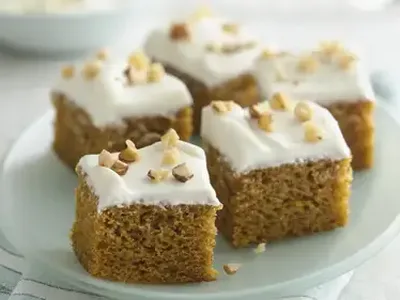
Easy Pumpkin Spice Bars with Cream Cheese Frosting
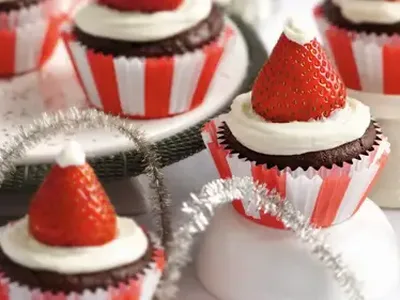
Red Velvet Santa Cupcakes with Beet and Greek Yogurt
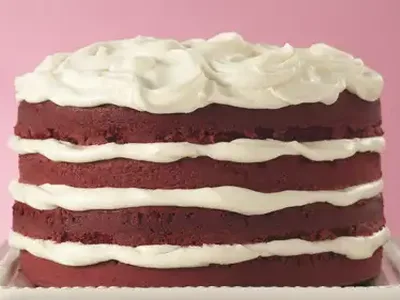
Red Velvet Torte with White Truffle Frosting - 4 Layer Cake
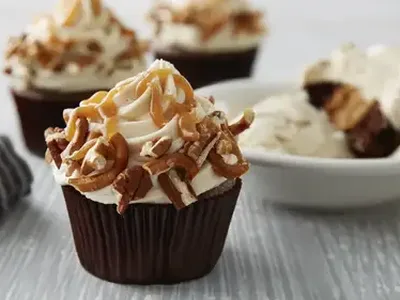
Sky-High Salted Caramel Chocolate Cupcakes with Pecan Pretzel
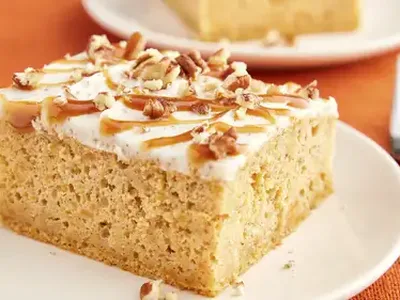
Sweet Potato Cake with Cinnamon Frosting and Pecans