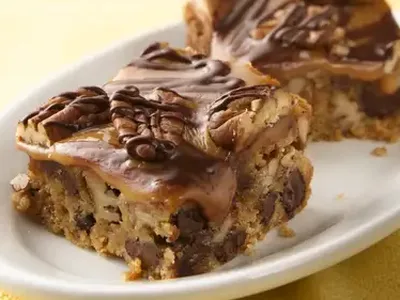
How to Make Caramel
Caramel is sugar heated to 340F until it melts and browns. The process breaks down sucrose molecules into hundreds of new compounds that taste nutty, bitter, and sweet.
Why it matters
Dry caramel gives you pure caramelized sugar flavor without dilution. You control the darkness from light amber (320F) to deep brown (350F). Water-based caramel takes longer but resists crystallization. Both methods create the same final product once you add cream.
What you need
Steps
Pour sugar into your saucepan in an even layer. Don't pile it up. Turn heat to medium. Watch for edges to liquify after 3-4 minutes. Sugar turns clear and syrupy when it hits 320F.
Swirl the pan gently when you see liquid pooling. Don't stir. Stirring causes crystals. Keep swirling every 30 seconds as more sugar melts. The mixture looks grainy and lumpy at first.
Brush down sides with water-dipped pastry brush when sugar crystals stick. One stray crystal can ruin the batch. The caramel turns pale amber at 340F and smells like toasted nuts.
Remove from heat at 350F when caramel reaches deep amber color. It darkens fast. Count 5 seconds off heat. The bubbling slows down.
Add cream in steady stream while stirring constantly. Mixture bubbles violently and steam rises. Keep stirring. The caramel seizes into clumps then smooths out after 20-30 seconds of stirring.
Add butter and salt. Stir until butter melts completely, about 15 seconds. Caramel should coat the spatula and drip in thick ribbons. Cool 10 minutes before using.
Common Mistakes
Using high heat to speed things up
What happens: Sugar burns on outside while center stays granulated
Fix: Keep heat at medium and wait 8-10 minutes for even melting
Adding cold cream straight from fridge
What happens: Caramel seizes into hard candy that won't dissolve
Fix: Warm cream to 70F or microwave 30 seconds before adding
Stirring sugar while it melts
What happens: Forms crystals that spread through entire batch
Fix: Swirl pan only, brush sides with water to dissolve crystals
Walking away at amber stage
What happens: Burns in 15 seconds, tastes bitter and acrid
Fix: Stay at stove from 320F onward, remove at 350F
Troubleshooting
If caramel crystallizes into rock candy
Then: Add 2 tablespoons water, return to medium heat, stir until dissolved, start over at step 3
If caramel stays thin after cooling
Then: Return to heat, cook 2-3 minutes more until it reaches 238F (soft-ball stage)
Related Techniques
FAQ
Can I make caramel without a thermometer?
Yes. Watch for color changes instead. Light amber appears at 340F after 6-7 minutes. Deep amber hits at 350F about 45 seconds later. Pull it off heat when it matches the color of an old penny. Practice with small batches of 1/4 cup sugar until you recognize the stages. The smell changes from sweet to nutty at 340F.
Why does my caramel taste burnt even though it looks right?
Dark spots form on pan bottom at temperatures above 370F. These bitter spots mix in when you add cream. Use a light-colored pan to see hot spots. Reduce heat if edges brown faster than center. Aluminum pans develop hot spots more than stainless steel. A 3mm-thick bottom prevents burning better than thin pans.
How long does homemade caramel last?
Store caramel in glass jars at room temperature for 2 weeks or refrigerated for 3 months. It thickens when cold. Microwave in 15-second bursts to soften. Add 1 tablespoon cream if it gets too thick after storage. Separation means it needs 30 seconds of whisking. Crystals on top mean moisture got in.
What's the difference between wet and dry caramel methods?
Dry method heats plain sugar to 350F in 8-10 minutes. Wet method combines sugar with 1/4 cup water per cup of sugar, taking 15-20 minutes but preventing crystals. Both reach the same 350F endpoint. Wet method forgives stirring. Dry method gives cleaner flavor. Most pros use dry for sauces, wet for candy work.
Recipes Using This Technique
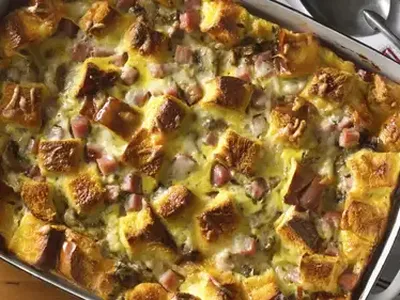
Ham and Mushroom Egg Casserole with Challah and Fontina
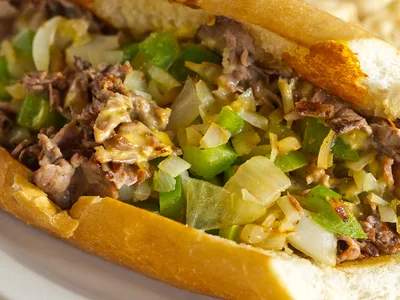
Ground Beef Philly Cheesesteak on Hoagie Rolls
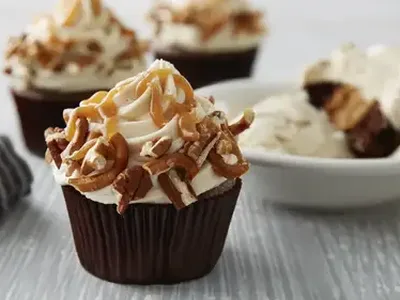
Sky-High Salted Caramel Chocolate Cupcakes with Pecan Pretzel
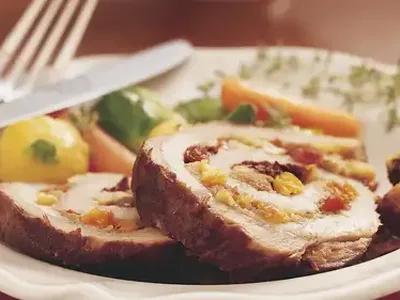
Slow-Cooker Fruit-Stuffed Pork Loin Roast with Apple Glaze
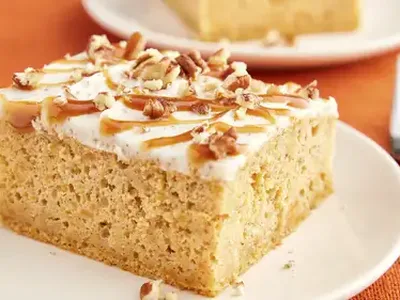
Sweet Potato Cake with Cinnamon Frosting and Pecans