How to Caramelize Onions
Caramelizing onions means cooking them low and slow until their natural sugars turn brown and sweet. The process turns sharp, pungent onions into soft, jammy strands with deep sweetness.
Why it matters
This technique creates flavor you can't fake. Raw onions bite. Sautéed onions stay sharp. Caramelized onions taste like onion candy with zero added sugar. They add instant depth to burgers, steaks, soups, and sandwiches.
What you need
Steps
Slice onions pole to pole in 1/4-inch thick half-moons. Cut through the root end to the stem end, not across the equator. This prevents mushy onions.
Heat 2 tablespoons butter in a 12-inch skillet over medium-high heat until foam subsides. Add all onions at once. They should sizzle on contact.
Stir every 2-3 minutes for the first 10 minutes. Onions will soften and release water. Keep heat at medium-high until liquid evaporates and onions turn translucent.
Reduce heat to medium-low after 10 minutes. Now stir every 5 minutes. Onions will start sticking to the pan. That's good. Brown bits mean flavor.
Add 1-2 tablespoons water when brown fond builds up. Scrape it into the onions. This deglazing captures all the caramelized sugars stuck to the pan.
Continue cooking 30-45 minutes total. Onions are done when they're deep amber brown, smell like toffee, and taste sweet with no raw bite. Volume reduces by 75%.
Common Mistakes
Using high heat to speed things up
What happens: Onions burn outside while staying raw inside
Fix: Keep heat at medium-low after initial softening
Adding sugar or balsamic vinegar
What happens: Masks natural onion sweetness with artificial flavor
Fix: Trust the process. Onions contain 9 grams natural sugar per cup
Crowding multiple batches in one pan
What happens: Onions steam instead of caramelize
Fix: Use a 12-inch pan for 2-3 onions max
Stirring constantly like risotto
What happens: Prevents browning and fond development
Fix: Let onions sit 5 minutes between stirs after initial stage
Troubleshooting
if onions turn black and bitter after 20 minutes
Then: Lower heat to medium-low and add 2 tablespoons water to rescue them
if onions stay white after 30 minutes
Then: Increase heat slightly and stop stirring for 5-minute intervals
Related Techniques
FAQ
Can I caramelize onions in advance?
Yes. Store them in an airtight container for 5 days in the fridge or 3 months in the freezer. Reheat gently with 1 tablespoon water over low heat for 2-3 minutes. They freeze in ice cube trays perfectly. Each cube equals about 2 tablespoons.
Why do my onions take 60 minutes when recipes say 10?
Recipe writers lie about timing. True caramelization requires 45-60 minutes at proper low heat. You're converting onion starches to sugars through the Maillard reaction. This happens at 280-330F. Rush it and you get burnt onions, not caramelized ones.
What's the difference between yellow, white, and red onions for caramelizing?
Yellow onions work best with 9 grams natural sugar per cup. White onions have 7 grams and stay firmer. Red onions lose their color and turn grayish-brown. Sweet onions like Vidalia contain 10 grams sugar but get mushy. Stick with standard yellow onions.
How much do onions shrink when caramelized?
Onions lose 75% of their volume. Start with 2 pounds raw onions to get 1 cup caramelized. That's about 3 large onions. Each serving needs about 2-3 tablespoons caramelized onions. Plan accordingly.
Recipes Using This Technique
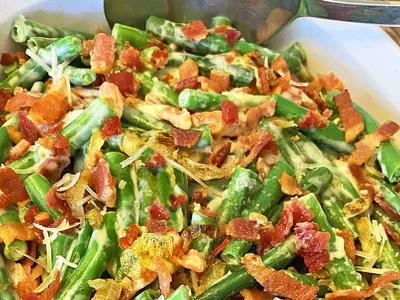
Bacon Green Bean Casserole with Cream Sauce
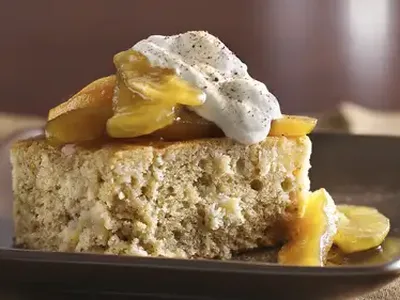
Brown Sugar Spice Cake with Caramelized Apples
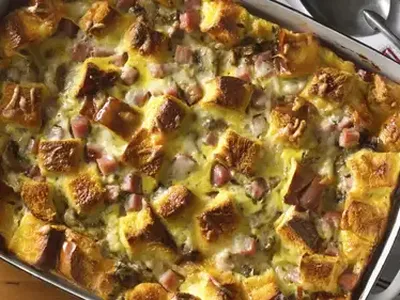
Ham and Mushroom Egg Casserole with Challah and Fontina
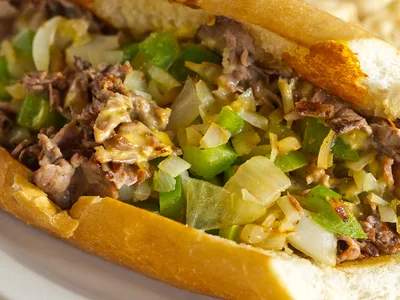
Ground Beef Philly Cheesesteak on Hoagie Rolls
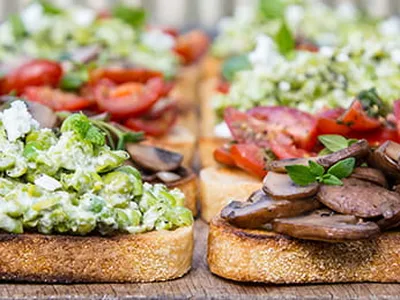
Bruschetta 3 Ways: Tomato, Mushroom, Pea & Feta