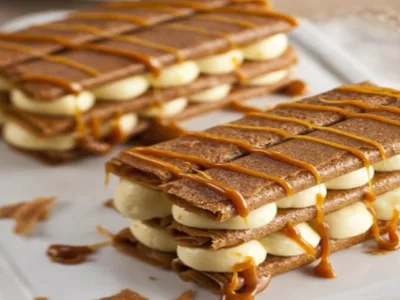
How to Make Crepes
Crepes are paper-thin pancakes made from a simple batter of flour, eggs, milk, and butter. They cook in a hot pan for 45-60 seconds per side until edges turn golden and lift away from the surface.
Why it matters
Crepes give you a neutral canvas that works for sweet or savory fillings. Unlike pancakes, they stay flexible after cooling so you can roll or fold them hours later. The thin texture lets fillings shine. A single batch makes 12-15 crepes in under 30 minutes.
What you need
Steps
Blend 1 cup flour, 2 eggs, 1.25 cups milk, 2 tablespoons melted butter, and 1/4 teaspoon salt for 30 seconds until smooth. Batter should coat a spoon but pour freely like heavy cream. Rest 30 minutes in fridge.
Heat your 10-inch nonstick pan over medium heat for 2-3 minutes. Test readiness by dropping water on surface. It should dance and evaporate within 2 seconds. Brush with butter using pastry brush.
Pour 1/4 cup batter into center of pan. Immediately lift pan and tilt in circular motion to spread batter to edges. Work fast. Batter sets in 5 seconds. Return to heat when pan is coated.
Cook 45-60 seconds until edges turn light brown and pull away from pan by 1/8 inch. Surface will look dry and matte, not wet and shiny. Small bubbles form and pop across center.
Loosen edges with spatula. Slide spatula under crepe and flip in one quick motion. Second side needs only 20-30 seconds. Look for light golden spots forming. It won't brown as much as first side.
Slide finished crepe onto plate. Cover with kitchen towel to keep warm and prevent drying. Repeat with remaining batter, stirring before each pour. Stack crepes between parchment if making ahead.
Common Mistakes
Using cold batter straight from mixing
What happens: Crepes tear when flipping and have thick, doughy texture
Fix: Rest batter 30 minutes minimum at room temperature or in fridge
Pan temperature too high
What happens: Outside burns while center stays raw and sticky
Fix: Keep heat at medium and wait 10 seconds between crepes to let pan recover
Pouring too much batter
What happens: Thick crepes that crack when you try to roll them
Fix: Use exactly 1/4 cup per crepe and spread quickly
Flipping too early
What happens: Crepe sticks to pan and tears into pieces
Fix: Wait for edges to brown and lift 1/8 inch before attempting flip
Troubleshooting
If batter has lumps after blending
Then: Strain through fine mesh sieve and whisk in 2 tablespoons milk to thin back out
If crepes stick despite nonstick pan
Then: Lower heat to medium-low and brush pan with butter every 3rd crepe
If edges cook faster than center
Then: Reduce heat by 25% and spread batter thinner by tilting pan more aggressively
Related Techniques
FAQ
Can I make crepe batter ahead?
Yes, batter keeps 48 hours covered in the fridge. The flour absorbs liquid over time, so add 2-3 tablespoons milk before using if it thickens. Bring to room temperature 20 minutes before cooking. Cold batter spreads poorly and makes thick crepes. Whisk well before each use since ingredients separate.
Why do my crepes have holes?
Holes mean your pan runs too hot. Reduce heat to medium or medium-low. The ideal temperature is 325-350F if you have an infrared thermometer. Also check your pouring technique. Pour batter in one spot then tilt immediately. Pouring while tilting creates thin spots that become holes. Use exactly 1/4 cup batter per 10-inch crepe.
What's the best flour for crepes?
All-purpose flour works perfectly for most crepes. Use 1 cup flour to 1.25 cups liquid ratio. Cake flour makes more tender crepes but they tear easier. Whole wheat needs 25% more liquid. For gluten-free, use 3/4 cup rice flour plus 1/4 cup tapioca starch. Add 1 extra egg for structure.
How do I store cooked crepes?
Stack crepes with parchment between each one. Wrap stack tightly in plastic. Refrigerate up to 3 days or freeze up to 2 months. Thaw frozen crepes in fridge overnight. Reheat in 300F oven for 5 minutes wrapped in foil. Microwave 15 seconds per crepe if eating immediately.
Recipes Using This Technique
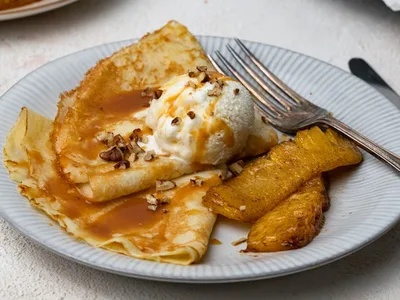
Caramelized Pineapple Dulce de Leche Crepes

Homemade Waffle Cones with Chocolate Sprinkle Edge
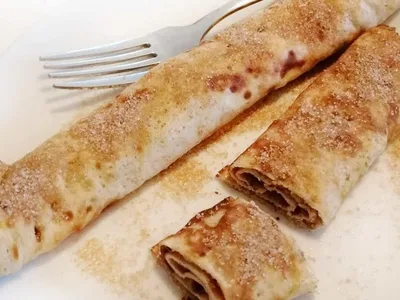
Keto Cinnamon Crepes with Cinnamon Butter
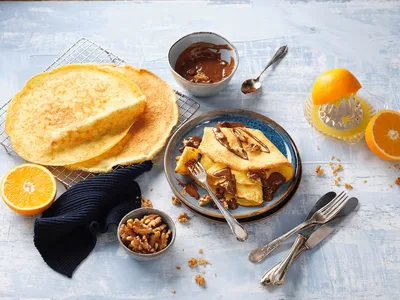
Lactose-Free Crepes with Chocolate Walnut Sauce
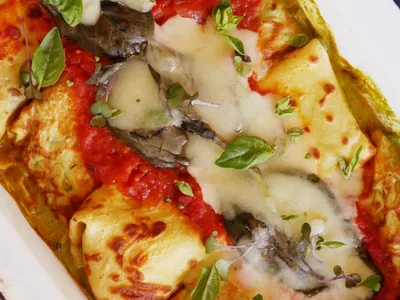
Thermomix Crepe Manicotti with Ricotta