How to Make Curry Paste
Curry paste is a concentrated blend of aromatics, spices, and chilies ground into a smooth or chunky paste. You pound or grind fresh ingredients with dry spices to create a flavor base that forms the backbone of curry dishes.
Why it matters
Fresh curry paste tastes brighter and more complex than jarred versions. You control the heat level by adjusting chilies. The paste keeps for 2 weeks in the fridge or 6 months frozen. One batch makes enough for 8-10 curries.
What you need
Steps
Toast whole spices in a dry 10-inch skillet over medium heat for 2-3 minutes. Coriander seeds will smell nutty and turn light brown. Cumin darkens slightly. Remove when you see wisps of smoke rising.
Grind toasted spices in mortar and pestle for 3-4 minutes until powdery. No whole seeds should remain. If using a food processor, pulse 10-15 times.
Add 1 teaspoon coarse salt to mortar. Pound garlic cloves and fresh ginger until they form a wet paste, about 5 minutes. The salt acts as an abrasive. You'll smell strong garlic when properly mashed.
Work in harder ingredients next. Add lemongrass, galangal, or shallots. Pound each addition for 2-3 minutes before adding the next. The paste should look uniform, not chunky.
Add softer ingredients like chilies, cilantro stems, and shrimp paste. Pound for 4-5 minutes total. The paste turns from chunky to smooth. Color deepens as oils release. Stop when you achieve peanut butter consistency.
Test fry 1 teaspoon paste in 1 tablespoon oil over medium heat. It should sizzle immediately and smell aromatic within 30 seconds. Adjust salt or chilies as needed.
Pack finished paste into glass jar, pressing out air bubbles. Pour 1/4 inch neutral oil on top to prevent oxidation. Refrigerate up to 2 weeks or freeze in ice cube trays for 6 months.
Common Mistakes
Using a blender instead of mortar or food processor
What happens: Blender blades create too much heat and turn paste bitter
Fix: Use food processor with pulse function or traditional mortar and pestle
Adding all ingredients at once
What happens: Hard ingredients stay chunky while soft ones turn to mush
Fix: Add ingredients in order from hardest to softest
Skipping the toasting step for whole spices
What happens: Paste lacks depth and tastes flat
Fix: Always toast whole spices for 2-3 minutes until fragrant
Using dried herbs instead of fresh
What happens: Paste becomes gritty and loses bright flavor
Fix: Use fresh lemongrass, ginger, chilies, and cilantro stems only
Troubleshooting
Paste tastes too salty after cooking
Then: Add 1 tablespoon coconut milk or 2 teaspoons sugar to balance. Next time use 25% less salt
Food processor leaves chunks
Then: Add 2-3 tablespoons water to help blades catch ingredients. Scrape sides every 30 seconds
Paste turned dark brown in storage
Then: Oxidation occurred. Still safe to use but add extra lime juice when cooking. Always cover with oil layer next time
Related Techniques
FAQ
Can I make curry paste without a mortar and pestle?
Yes. A food processor works for most home cooks. Add ingredients in stages and pulse 10-15 times between additions. Add 2-3 tablespoons water if the blade struggles. The texture won't match hand-pounded paste but flavor stays intact. Process for 3-4 minutes total, scraping sides every 45 seconds.
How much curry paste do I need per serving?
Use 1-2 tablespoons paste per person for mild curry, 3-4 tablespoons for medium heat. A standard batch yields about 1.5 cups or 24 tablespoons. That's enough for 6-8 servings of curry. Thai green curry uses more paste than red curry because green chilies pack less heat per volume.
What's the difference between red, green, and yellow curry paste?
Color comes from different chilies. Red uses 10-15 dried red chilies, green uses 20-25 fresh green chilies, yellow uses 3-5 dried chilies plus 2 tablespoons turmeric powder. Green tastes brightest and most herbaceous. Red brings deeper, roasted flavors. Yellow is mildest, with curry powder notes. All three use the same aromatics like lemongrass, garlic, and shallots.
Can I freeze curry paste?
Freeze paste in ice cube trays for easy portioning. Each cube equals about 2 tablespoons. Once frozen solid (4-6 hours), transfer cubes to freezer bags. Label with date and heat level. Frozen paste keeps 6 months. Thaw cubes in the fridge overnight or drop directly into hot oil. Color may darken slightly but flavor remains strong.
Recipes Using This Technique
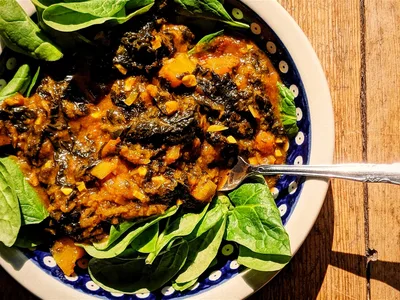
Butternut Squash Laverbread Coconut Curry
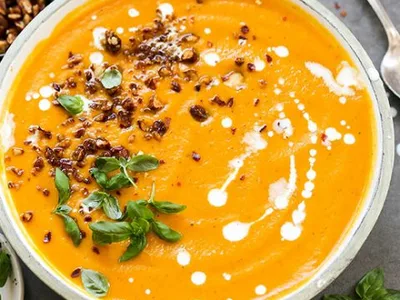
Creamy Thai Carrot Sweet Potato Soup
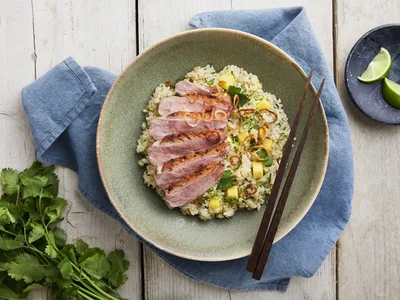
Pan-Seared Duck Breast with Red Curry Jasmine Rice
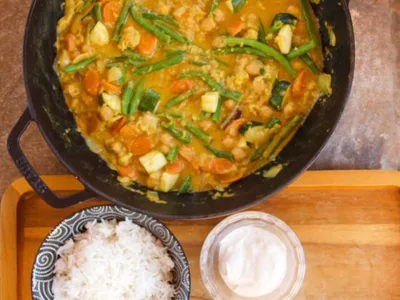
Easy Red Vegetable Curry with Coconut Milk
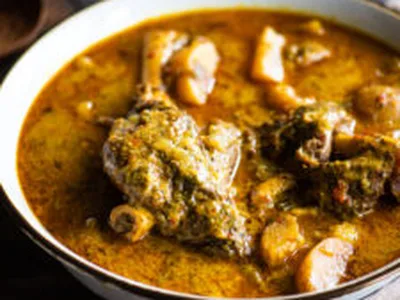
Instant Pot Curry Lamb Shanks with Coconut Milk