How to Make Pesto
Pesto is a raw sauce made by grinding fresh basil leaves with garlic, pine nuts, olive oil, and hard cheese into a thick paste. The mortar and pestle method creates the smoothest texture, but a food processor works for everyday cooking.
Why it matters
Raw basil oxidizes and turns brown within minutes of chopping. Pesto preserves that bright green color by coating the leaves in oil immediately. The grinding releases oils from the basil that knife chopping can't access. Store-bought versions taste flat because they use dried basil or preservatives.
What you need
Steps
Toast 1/3 cup pine nuts in a dry 10-inch skillet over medium heat for 3-4 minutes. Shake the pan every 30 seconds. Stop when they smell nutty and turn golden brown. Cool completely on a plate.
Peel 3 large garlic cloves. Grate 1 cup Parmesan cheese using a microplane. Pick 3 packed cups fresh basil leaves from their stems. Discard any leaves with black spots.
Add garlic to the food processor. Pulse 5 times until minced into pieces the size of rice grains. Add cooled pine nuts and pulse 3 more times until they break into coarse chunks.
Add all basil leaves at once. Pour in 2/3 cup extra virgin olive oil. Process continuously for 20 seconds until the mixture forms a thick paste with no visible leaf pieces.
Scrape down the sides with a rubber spatula. Add the grated Parmesan and 1/2 teaspoon kosher salt. Pulse 5 times to combine. The final texture should coat the back of a spoon without dripping.
Transfer to an airtight container immediately. Press plastic wrap directly onto the surface to prevent air contact. Refrigerate for up to 5 days or freeze for up to 3 months.
Common Mistakes
Using wet basil leaves
What happens: Water dilutes the oil and makes watery pesto that separates
Fix: Dry basil thoroughly with paper towels or use a salad spinner before processing
Over-processing the mixture
What happens: Heat from the motor cooks the basil and turns it brown
Fix: Process in short bursts and stop as soon as leaves disappear
Using pre-grated Parmesan
What happens: Anti-caking agents create grainy texture that won't blend smooth
Fix: Buy a block of Parmesan and grate it yourself
Adding lemon juice to the processor
What happens: Acid makes basil turn black within hours
Fix: Add lemon juice only to individual servings right before eating
Troubleshooting
If pesto turns brown on top after storage
Then: Scrape off the brown layer and add a 1/4-inch layer of olive oil before resealing
If pesto tastes bitter
Then: Add 1 tablespoon honey or 2 tablespoons more cheese to balance the flavor
If texture is too thick for pasta
Then: Thin with pasta cooking water, adding 2 tablespoons at a time until it coats noodles
Related Techniques
FAQ
Can I substitute walnuts for pine nuts?
Yes, use an equal amount of walnuts but toast them for 5-6 minutes instead of 3-4 minutes. Walnuts cost about $8 per pound compared to pine nuts at $25 per pound. Their stronger flavor means you might want to reduce garlic by 1 clove. Pecans and almonds also work but change the flavor profile more dramatically.
Why does my pesto separate when I add it to hot pasta?
Hot pasta breaks the oil emulsion if the temperature exceeds 140F. Remove pasta from heat and let it cool for 2 minutes before adding pesto. Save 1 cup of pasta water before draining. Mix 1/4 cup of the warm pasta water with the pesto first to temper it, then toss with pasta. The starch in the water helps bind everything together.
How much pesto should I use per serving?
Use 2-3 tablespoons pesto per 4 ounces of cooked pasta. For sandwiches or pizza, spread 1 tablespoon per slice of bread or per 6-inch pizza section. When using as a marinade, calculate 2 tablespoons per 6 ounces of protein. One batch of this recipe makes about 1.5 cups total, enough for 8-10 pasta servings.
Can I grow my own basil for pesto?
Genovese basil produces the best flavor for pesto and grows from seed to harvest in 60-70 days. Plant seeds 1/4 inch deep in soil that stays between 70-80F. Each plant yields about 1 cup of leaves every 2 weeks once mature. You need 3-4 plants to make pesto weekly during summer months.
Recipes Using This Technique
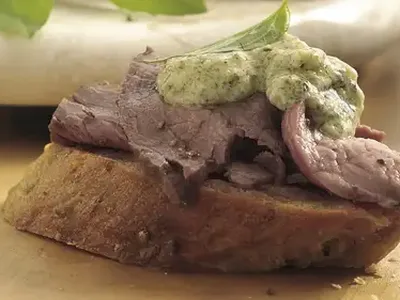
Beef Tenderloin Crostini with Basil Pesto Mayonnaise
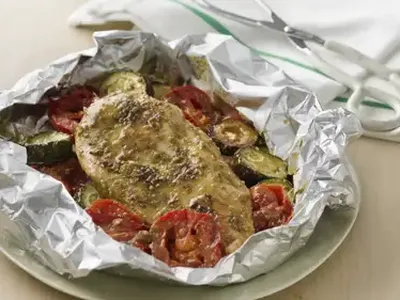
Grilled Pesto Chicken Foil Packets with Zucchini and Tomatoes
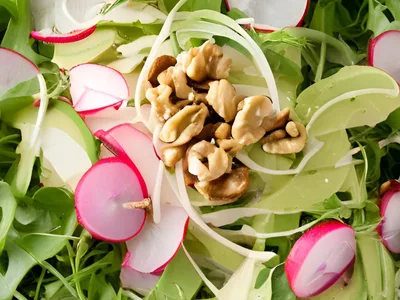
Crisp Lemon Fennel Arugula Salad with Avocado
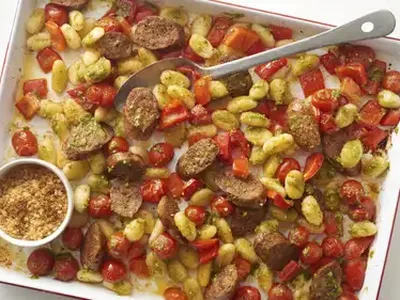
Sheet Pan Gnocchi with Sausage and Pesto

Toasted Pesto Chicken Sausage Sandwiches with Provolone