How to Cook Sous Vide
Sous vide cooking seals food in plastic bags and cooks it in temperature-controlled water baths. The water stays at one exact temperature, cooking food edge to edge without overcooking.
Why it matters
You get steak cooked to 129°F from surface to center. No gray bands. Chicken thighs hit 165°F throughout without drying out. You can hold food at serving temperature for 4 hours without overcooking.
What you need
Steps
Fill your 12-quart container with water to the MIN line on your circulator. Attach the circulator to the side. Set temperature based on your protein: 129°F for medium-rare steak, 145°F for pork, 165°F for chicken thighs. Wait until the display shows your target temperature.
Season your protein with salt at 1% of its weight. That's 10 grams salt per kilogram of meat. Add herbs, garlic, or butter if desired. Place in vacuum bag or freezer bag. Remove air using water displacement method: slowly lower bag into water, letting pressure push air out, then seal when only the zipper remains above water.
Lower the sealed bag into the water bath. The bag should sink completely. If it floats, clip a butter knife to the bottom as weight. Cook for these minimum times: 1-inch steak needs 1 hour, 2-inch needs 2.5 hours, chicken thighs need 1.5 hours, 3-pound chuck roast needs 24-48 hours.
Remove the bag with tongs when time is up. The meat looks gray and unappetizing right now. Pat completely dry with paper towels. Season the outside with salt and pepper. The surface must be bone dry for proper searing.
Heat a cast iron skillet over high heat for 3 minutes. Add 1 tablespoon high-smoke-point oil. When oil shimmers and barely starts to smoke, add the meat. Sear 45-60 seconds per side until deep brown crust forms. You'll hear aggressive sizzling the entire time.
Rest seared meat for 5 minutes before slicing. The interior stays the exact doneness you set. Save the bag juices for pan sauces. They contain concentrated meat flavor but look murky. Strain through fine mesh before using.
Common Mistakes
Using regular zip-lock bags instead of freezer bags
What happens: Bags fail at temperatures above 158°F, leaking water into your food
Fix: Buy freezer bags rated for boiling water or invest in a vacuum sealer
Cooking without enough water circulation
What happens: Dead zones form where water stays 5-10°F cooler than set temperature
Fix: Leave 2 inches minimum between bags and position circulator to create flow around all sides
Searing wet meat after cooking
What happens: Steam prevents browning, giving you gray meat instead of crispy crust
Fix: Pat with 3-4 paper towels until bone dry, then sear in smoking hot pan
Setting temperature too high for safety
What happens: Proteins cook to well-done throughout, defeating the purpose
Fix: Trust the science: 130°F for 2 hours pasteurizes beef, 165°F isn't needed for sous vide
Troubleshooting
if bags keep floating to the surface
Then: clip metal spoons or butter knives to the bottom of bags, or place a ceramic plate on top to weigh down multiple bags
if water evaporates during long cooks
Then: cover container with plastic wrap or aluminum foil, leaving small gap for circulator, or use ping pong balls as floating lid
if meat tastes metallic or bloody after cooking
Then: pre-sear meat for 30 seconds per side before bagging to develop flavor, or add 1 tablespoon soy sauce to bag
Related Techniques
FAQ
Can I leave meat in the water bath too long?
Yes and no. After 4 hours at 130°F, steak texture turns mushy as enzymes break down proteins. But chuck roast needs 24-48 hours to tenderize properly. Follow time ranges for each cut. Chicken thighs stay perfect for up to 4 hours at 165°F. Going 30 minutes over won't hurt, but doubling the time will.
Do I need a vacuum sealer?
No. Water displacement with freezer bags works for 95% of sous vide cooking. Vacuum sealers compress food and remove 99% of air versus 90% with water displacement. They matter most for vegetables, which float without vacuum compression. Save the $150 until you cook sous vide weekly.
What's the electricity cost?
An 800-watt circulator running 24 hours uses 19.2 kWh. At average US rate of $0.13 per kWh, that's $2.50 for a full day. Most cooks take 1-4 hours, costing $0.10-0.42. Modern circulators use 60% less power than first generation models from 2010.
Can I season with fresh garlic?
Fresh garlic turns bitter during long sous vide cooks above 130°F. Use garlic powder at 1 teaspoon per pound of meat, or add fresh garlic only for cooks under 2 hours. Garlic confit made at 185°F for 2 hours works great. Pre-roasted garlic also adds sweetness without bitterness.
Recipes Using This Technique

Air Sous Vide Panna Cotta with Blueberry Reduction
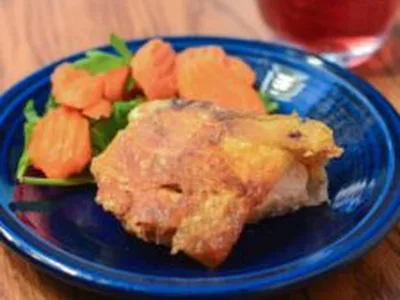
Sous Vide Chicken Thighs with Pan Sauce
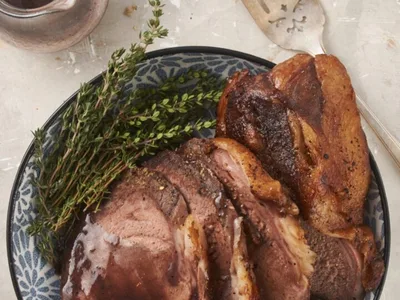
Sous Vide Prime Rib with Red Wine Pan Gravy
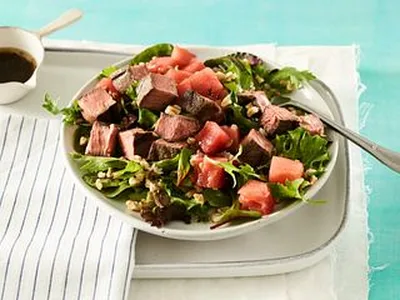
Sous Vide Top Sirloin with Farro and Compressed Watermelon

Instant Pot Sous Vide Buttery Lobster Tails