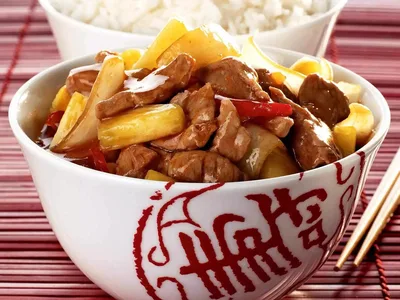
How to Braise Meat
Braising cooks tough meat in liquid at 275F to 325F for 2 to 4 hours. The meat sits half-submerged in stock or wine while the pot lid traps steam, breaking down connective tissue into gelatin.
Why it matters
Braising turns cheap cuts like chuck roast or short ribs into fork-tender meat. Dry heat would make these cuts chewy as leather. The low temperature prevents muscle fibers from squeezing out moisture while collagen melts at 160F. You get meat that shreds with a spoon and sauce that coats the back of one.
What you need
Steps
Pat meat completely dry with paper towels. Season all sides with 1 teaspoon salt per pound. Let sit 45 minutes at room temperature. Dry meat won't splatter. It browns instead of steaming.
Heat 2 tablespoons oil in your skillet over medium-high heat for 3 minutes. Add meat when oil shimmers and a drop of water sizzles instantly. Sear each side 4 to 5 minutes until dark brown crust forms. The meat releases easily when ready to flip. Transfer to plate.
Reduce heat to medium. Add diced onions to same skillet. Cook 5 minutes until edges turn translucent. Add garlic. Cook 30 seconds until you smell it. Pour in 1 cup wine or stock to deglaze. Scrape up brown bits with wooden spoon. Those bits equal flavor.
Move everything to Dutch oven. Nestle meat in liquid. Add stock until liquid reaches halfway up the meat. Too much drowns flavor. Too little lets top dry out. Bring to gentle simmer over medium heat. Bubbles should break lazily at surface, about one per second.
Cover pot tightly. Transfer to 325F oven. Check after 30 minutes. Liquid should barely bubble. Adjust oven down 25 degrees if boiling hard. Cook 2 to 3 hours for 2-inch pieces, up to 4 hours for whole roasts.
Test doneness by inserting fork into thickest part. Twist gently. Meat should separate into strands with no resistance. Internal temperature hits 195F to 205F when collagen fully converts. If still firm, continue cooking in 30-minute increments.
Remove pot from oven. Transfer meat to cutting board using slotted spoon. Tent with foil. Skim fat from braising liquid with ladle. Simmer liquid on stovetop 10 minutes to concentrate flavors. Taste and add salt if needed. Strain sauce through fine mesh strainer before serving.
Common Mistakes
using lean cuts like tenderloin
What happens: meat dries out and gets stringy
Fix: choose cuts with marbling and connective tissue like chuck, brisket, or shanks
boiling instead of simmering
What happens: proteins seize up and meat turns tough
Fix: keep oven at 300F to 325F and check liquid every hour
lifting lid frequently to check progress
What happens: steam escapes and cooking time doubles
Fix: resist peeking for first 2 hours, then check once per hour maximum
skipping the sear
What happens: meat tastes boiled and sauce lacks depth
Fix: dry meat thoroughly and sear in batches to avoid crowding
using too much liquid
What happens: flavors dilute and meat tastes watery
Fix: keep liquid at 50% to 65% of meat height
Troubleshooting
meat still tough after 3 hours
Then: increase oven temperature to 350F for 30 minutes, then return to 325F and continue cooking
sauce too thin after cooking
Then: remove meat and boil liquid uncovered until reduced by half, or whisk in 1 tablespoon cornstarch mixed with 2 tablespoons cold water
top of meat looks dry during cooking
Then: flip meat halfway through or lay parchment paper directly on surface under lid
Related Techniques
FAQ
Can I braise in a slow cooker?
Yes, but results differ. Slow cookers hold steady at 200F on low, 250F on high. This takes 6 to 8 hours versus 3 to 4 hours in the oven. You also can't sear in most slow cookers. Brown meat in a skillet first. The gentle heat works well for tough cuts but won't reduce sauces like oven braising.
What's the best liquid for braising?
Stock beats water every time. Use 2 parts stock to 1 part wine for depth. Beer works for pork at a 1:1 ratio with stock. Tomatoes add acidity that speeds tenderizing. Whatever you pick, taste before adding. Your braising liquid concentrates 50% during cooking. Start with less salt than you think you need.
How do I know when braised meat is done?
Fork-tender means a fork slides in and twists out with zero resistance. Temperature tells the real story. Collagen melts at 160F but needs time. Most braised meats finish between 195F and 205F. A 3-pound chuck roast takes 3 hours. Short ribs need 2.5 hours. Lamb shanks want 4 hours minimum.
Should I remove the lid during braising?
Keep it sealed for 75% of cooking time. That traps steam and maintains steady temperature. Check once after 2 hours, then every 45 minutes. Each peek adds 15 minutes to total time. Some cooks crack the lid for the final 30 minutes to concentrate sauce. This risks drying the meat unless you baste every 10 minutes.
Recipes Using This Technique
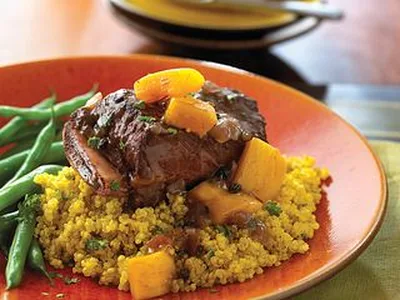
Aji-Braised Beef Short Ribs with Quinoa
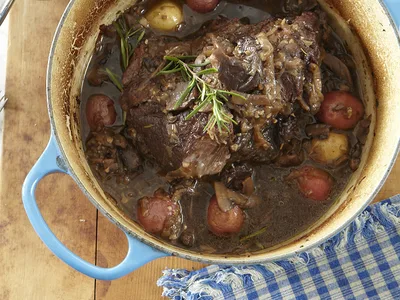
Braised Pot Roast with Wine and Dried Mushrooms
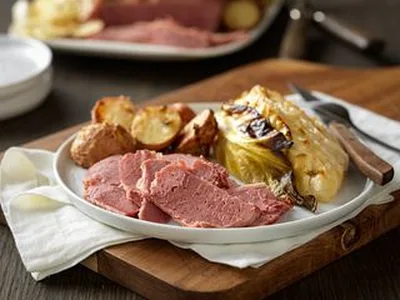
Dijon-Glazed Corned Beef with Roasted Cabbage
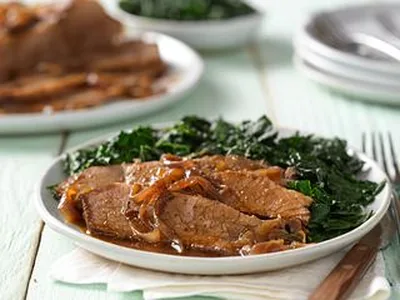
Pomegranate-Braised Beef Brisket with Caramelized Onions
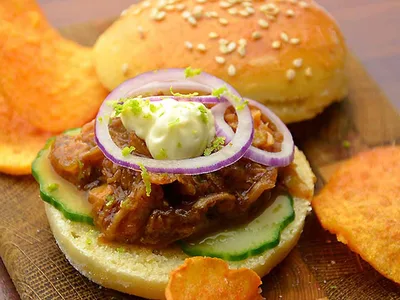
Pulled Pork Poor Boy Style with Apple