How to Store Leftovers Safely
Safe leftover storage keeps cooked food fresh for 3-7 days by controlling temperature and moisture. The technique prevents bacterial growth that causes food poisoning and preserves texture and flavor.
Why it matters
Proper storage extends food life from hours to days. Your fried rice stays safe for 4 days instead of going bad overnight. You save money by eating Tuesday's roast chicken on Friday. Most importantly, you avoid the 48 million cases of foodborne illness that hit Americans yearly.
What you need
Steps
Cool hot food to room temperature within 2 hours. Set a timer. Place the pot on a wire rack so air circulates underneath. Stir every 15 minutes to release steam. Food should feel barely warm to your wrist, around 70F.
Divide large batches into shallow containers no more than 2 inches deep. A whole pot of stew needs 6 hours to cool in the fridge. The same stew in 2-inch layers cools in 45 minutes. You'll see steam stop rising when it reaches safe temperature.
Transfer food to storage containers, leaving 1 inch of headspace for expansion. Press plastic wrap directly onto the surface of soups and sauces to prevent skin formation. The wrap should touch the food with no air bubbles.
Label each container with contents and today's date using a permanent marker. Write directly on the lid or use masking tape. Include the use-by date: 3 days for seafood, 4 days for cooked meat and vegetables, 7 days for soups and stews.
Stack containers in the refrigerator at 40F or below. Place newer items behind older ones. Keep raw meat on the bottom shelf. Your fridge thermometer should read between 35F and 38F for optimal storage. Listen for the compressor cycling every 20-30 minutes.
Freeze portions you won't eat within the safe window. Wrap tightly in plastic wrap, then aluminum foil. Squeeze out all air from freezer bags until they lie flat. Frozen leftovers keep 2-3 months at 0F. Ice crystals mean freezer burn has started.
Common Mistakes
Putting hot containers directly in the fridge
What happens: Raises fridge temperature above 40F, spoiling other food
Fix: Cool to 70F first using an ice bath or dividing into smaller portions
Using damaged containers with cracks or loose lids
What happens: Air exposure dries food out and allows bacteria to enter
Fix: Replace containers when lids don't seal with an audible pop
Storing everything in one huge container
What happens: Repeated opening introduces bacteria and temperature changes
Fix: Pack meal-sized portions so you only open what you'll eat
Forgetting to label containers
What happens: Mystery leftovers get tossed after 2 weeks of uncertainty
Fix: Label immediately while you still remember what's inside
Troubleshooting
If food smells sour or shows fuzzy growth
Then: Throw it out immediately. No amount of reheating kills all toxins. When in doubt, toss it.
If containers won't seal properly
Then: Transfer to freezer bags or wrap tightly with plastic wrap and foil. Order new containers with locking lids.
If your fridge runs warmer than 40F
Then: Adjust the temperature dial 1 notch colder. Check door seals for gaps. Call repair service if temperature won't drop.
Related Techniques
FAQ
Can I store hot food directly in the freezer?
No. Hot food raises freezer temperature above 0F, partially thawing other items. Cool to 70F first, which takes 30-60 minutes for most dishes. Your freezer works overtime trying to cool hot food, wasting energy. The outer edges freeze while the center stays warm, creating ice crystals that ruin texture. Always cool in the fridge first, then transfer to freezer within 2 hours.
How long do different leftovers actually last?
Raw ground meat lasts 1-2 days. Cooked ground meat keeps 3-4 days. Cooked chicken pieces stay fresh 3-4 days. Soups and stews last 3-4 days, or 7 days if vegetarian. Pizza keeps 3-4 days. Rice dishes last 4-6 days if stored properly at 40F. Hard-boiled eggs keep 7 days. These times assume proper cooling and airtight storage. Freeze anything you won't eat within these windows.
Is it safe to reheat leftovers multiple times?
Only reheat the portion you'll eat. Each reheat cycle brings food through the danger zone (40F-140F) where bacteria multiply fastest. Reheat to 165F, checking with a thermometer. Steam should rise vigorously. Soups should bubble. Limit reheating to once for best safety. After that, bacteria levels get risky even if food looks fine.
What's the best container material for storing leftovers?
Glass containers win for most uses. They don't absorb odors or stains like plastic. Pyrex-style containers handle temperature changes from freezer to oven. BPA-free plastic works for cold storage under 140F. Stainless steel containers work well but block visibility. Whatever you choose, the lid must seal tightly. You should hear a pop when closing and feel resistance when opening.
Recipes Using This Technique
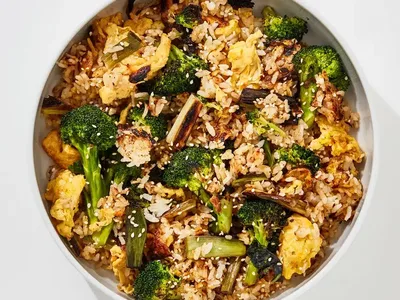
Fried Rice with Eggs and Broccoli
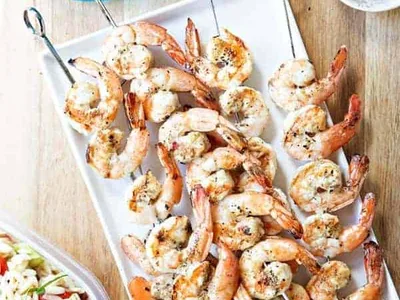
Grilled Garlic Basil Shrimp with Lemon Marinade
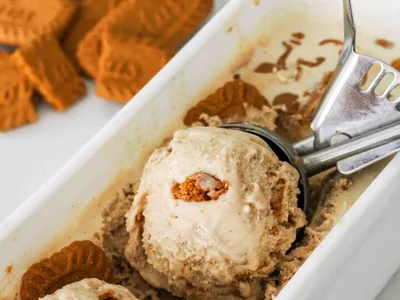
Homemade Cookie Butter Ice Cream with Biscoff Ripple
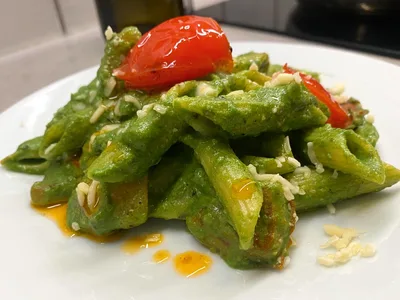
Penne with Spinach Pesto and Roasted Peanuts
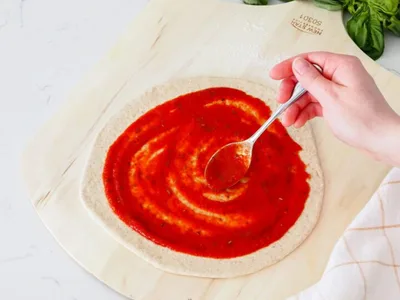
Quick Pizza Sauce from Tomato Paste