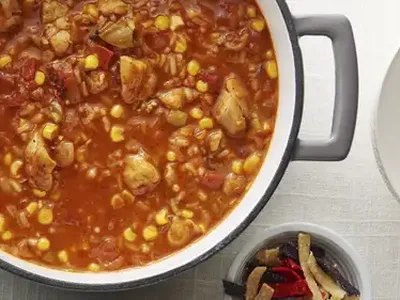
How to Freeze Food Properly
Freezing food drops its temperature below 32°F to stop bacterial growth and preserve texture. Water inside cells forms ice crystals that expand by 9% and can rupture cell walls if frozen too slowly.
Why it matters
Proper freezing keeps food safe for 3-12 months instead of days. Fast freezing at 0°F creates tiny ice crystals that preserve texture. Slow freezing makes large crystals that turn meat mushy and vegetables limp. Good technique saves $1,500 yearly in food waste.
What you need
Steps
Cool hot food to 70°F within 2 hours using an ice bath or dividing into shallow 2-inch deep containers. Food feels barely warm to touch. Steam stops rising completely.
Portion food into meal-sized amounts using a kitchen scale, aiming for 1-2 pound packages that will freeze solid within 24 hours. Thick blocks over 3 inches take too long and develop freezer burn.
Remove as much air as possible by pressing freezer bags flat until liquid reaches the zipper line, leaving 1 inch headspace for expansion. Air causes freezer burn within 30 days.
Wrap items twice using plastic wrap pressed directly against food surface, then aluminum foil crimped tightly at seams. Double wrapping prevents moisture loss that makes meat gray and vegetables shriveled after 2 months.
Label packages with contents, weight, and freeze date using permanent marker on freezer tape. Include thaw instructions like '24 hours in fridge' or 'cook from frozen 45 minutes at 375°F'.
Freeze items in single layer on sheet pans for 4 hours until rock hard, then stack in freezer. This flash freezing at -10°F prevents packages from freezing together into an unmovable block.
Store at 0°F or below, checking with a freezer thermometer monthly. Keep an inventory list taped to freezer door. Use within recommended times: ground meat 3 months, whole cuts 12 months, cooked dishes 3 months, bread 3 months.
Common Mistakes
Freezing food in original packaging
What happens: Styrofoam trays and thin plastic wrap allow air exposure causing freezer burn in 2 weeks
Fix: Repackage everything in freezer-grade materials rated for 0°F storage
Overfilling containers
What happens: Liquids expand 10% when frozen, cracking containers and exposing food to air
Fix: Leave 1 inch headspace in rigid containers, 2 inches for soups and sauces
Freezing huge batches together
What happens: Center stays above 32°F for 48 hours allowing bacteria growth and ice crystal formation
Fix: Freeze in portions under 2 inches thick that solidify within 24 hours
Not blanching vegetables first
What happens: Enzymes stay active causing color loss, off-flavors, and mushy texture within 1 month
Fix: Blanch in boiling water 2-5 minutes until bright colored but still crisp
Troubleshooting
Food has grayish-brown dry spots after 2 months
Then: Trim off freezer burn areas before cooking. Double wrap future packages and press out all air
Frozen blocks stuck together in freezer
Then: Run warm water on outside of one package for 30 seconds to separate. Flash freeze items individually next time
Related Techniques
FAQ
Can I refreeze thawed food?
Yes if thawed in the refrigerator and still contains ice crystals or feels 40°F or below. Quality drops 25% with each freeze-thaw cycle as more cell walls rupture. Never refreeze food thawed at room temperature for over 2 hours or meat that smells off.
How long does frozen food really last?
At 0°F food stays safe indefinitely but quality drops. Use within: ground meat 3-4 months, steaks 6-12 months, poultry 12 months, fish 3-6 months, vegetables 8-12 months, bread 3 months, cooked casseroles 2-3 months. After these times expect 50% quality loss in texture and flavor.
What foods freeze poorly?
Avoid freezing raw eggs in shells (they crack), mayo-based salads (separate into watery mess), fried foods (lose crispness completely), raw potatoes (turn black and grainy), soft cheeses like ricotta (become grainy), lettuce and raw tomatoes (turn to mush from 92% water content).
Should I freeze or refrigerate leftovers?
Refrigerate if eating within 4 days. Freeze portions you won't eat by then. Most cooked food quality peaks when frozen within 24 hours of cooking. Label with reheat instructions: casseroles need 165°F internal temperature, soups should bubble for 2 minutes, rice requires added moisture when reheating.
Recipes Using This Technique
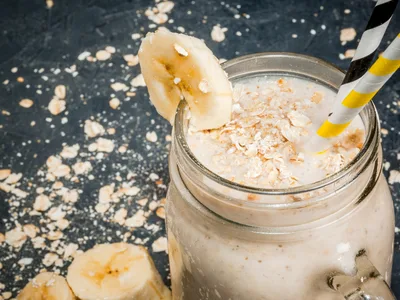
Cinnamon Roll Protein Smoothie Recipe
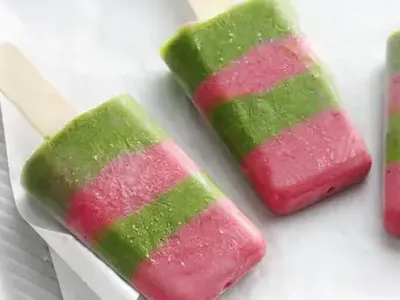
Layered Strawberry Green Smoothie Pops with Vanilla Yogurt
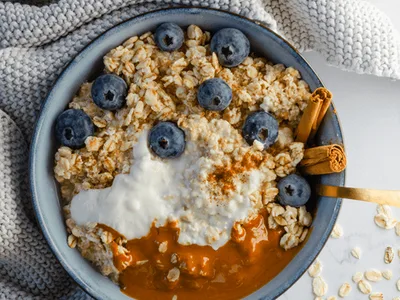
Overnight Oats with Blueberries Budget
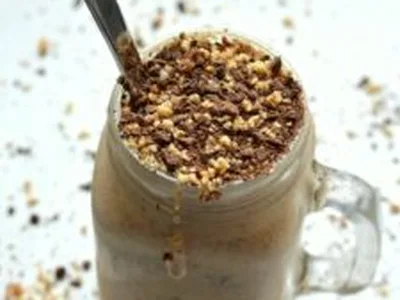
Snickers Soft Serve Ice Cream with Peanuts
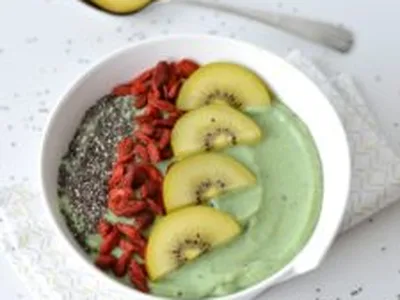
Kiwi Avocado Smoothie Bowl with Spirulina