How to Tell if Meat is Done
Checking meat doneness means verifying internal temperature and texture to ensure safe consumption and optimal taste. This technique combines visual cues, touch tests, and thermometer readings to determine when meat is cooked to your preferred level.
Why it matters
Raw meat contains harmful bacteria that die at specific temperatures. Overcooked meat becomes dry and tough. Proper doneness gives you juicy meat with maximum flavor. Different cuts require different final temperatures for both safety and texture.
What you need
Steps
Insert thermometer into thickest part of meat, avoiding fat and bone. Wait 5 seconds for reading to stabilize. Target temperatures vary: beef and lamb reach 145F for medium-rare, pork hits 145F, ground meat needs 160F, poultry requires 165F.
Press meat center with your finger. Raw meat feels soft and squishy like the flesh between your thumb and forefinger when your hand is relaxed. Medium meat resists like when you touch thumb to middle finger. Well-done feels firm as touching thumb to pinky.
Check visual cues specific to your meat type. Chicken juices run clear, not pink, when pierced at the thickest point. Pork chops show faint pink in center at 145F. Beef steaks develop brown crust outside while center stays red for rare at 125F.
Remove meat from heat 5 degrees before target temperature. Internal temp rises 5-10 degrees during rest. Cover loosely with foil. Rest steaks 5 minutes, roasts 15-20 minutes. Temperature climb stops when juices redistribute.
Cut into thickest section after resting to verify doneness. Properly cooked meat shows consistent color throughout that section. Pink chicken means more cooking. Gray beef center indicates overdone. Juices pool slightly but don't gush out.
Test multiple spots on large cuts like whole chickens or pork shoulders. Check breast and thigh on poultry, both reach 165F. Probe roasts in 3 places minimum. Thickness varies, so does cooking speed. All sections must hit safe temperature.
Common Mistakes
Relying only on cooking time without checking temperature
What happens: Meat thickness and starting temperature affect cooking speed, leading to raw or overcooked results
Fix: Always verify with thermometer regardless of recipe times
Cutting meat immediately after cooking to check doneness
What happens: Juices flow out, leaving meat dry and flavorless
Fix: Rest meat properly before cutting, use thermometer during cooking instead
Measuring temperature in the wrong spot
What happens: False readings from hitting bone or fat pockets
Fix: Insert thermometer horizontally into center of thickest muscle section
Using color alone to judge ground meat doneness
What happens: Ground beef can turn brown before reaching safe 160F temperature
Fix: Always thermometer-check ground meat regardless of color
Troubleshooting
Thermometer gives different readings in same piece of meat
Then: Calibrate thermometer in ice water (should read 32F), then test thickest part avoiding bones
Outside burns before inside cooks through
Then: Lower heat to medium, move meat to cooler grill zone, or finish in 325F oven
Meat stays pink despite reaching safe temperature
Then: Some meats stay pink due to nitrites or smoking, trust thermometer over color when temp reads correct
Related Techniques
FAQ
Can I reuse the same thermometer probe between raw and cooked meat?
Never use the same probe in raw then cooked meat without washing. Bacteria transfers from raw meat at 40-140F to cooked portions. Wash thermometer with hot soapy water between readings. Keep alcohol wipes nearby for quick sanitization during grilling. Digital thermometers withstand washing better than dial types.
Why does my meat thermometer give different readings than my oven?
Oven thermostats vary by 25-50 degrees from actual temperature. Your meat thermometer measures precisely at the probe tip. Ovens cycle on and off, creating 15-20 degree swings. Trust the meat thermometer for food safety. Test oven accuracy by placing an oven thermometer inside for 20 minutes at 350F.
How accurate does my thermometer need to be?
Food safety requires accuracy within 2 degrees. Premium instant-read models achieve 0.7-degree precision in 2-3 seconds. Basic digitals work within 1-2 degrees in 10 seconds. Dial thermometers lag 20-30 seconds and vary by 5 degrees. Replace any thermometer reading more than 2 degrees off in ice water.
Should I check temperature while meat is still on the heat?
Check temperature while cooking for most accurate results. Remove meat from direct heat briefly to probe. Steaks need checking every 2-3 minutes near target temp. Roasts check every 15 minutes in final hour. Quick temperature checks prevent overcooking better than guessing when to remove.
Recipes Using This Technique
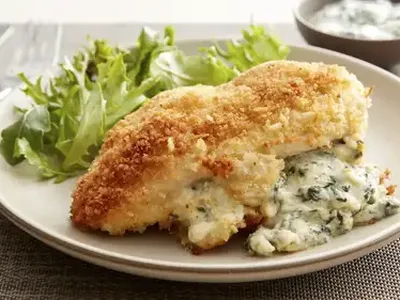
Crispy Pan-Seared Spinach and Artichoke Stuffed Chicken Breasts
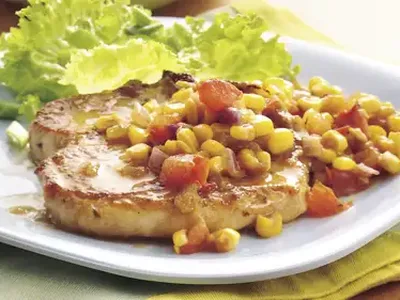
Pan-Seared Pork Chops with Green Chile Corn Skillet

Slow Cooker Buffalo Chicken Meatballs with Blue Cheese
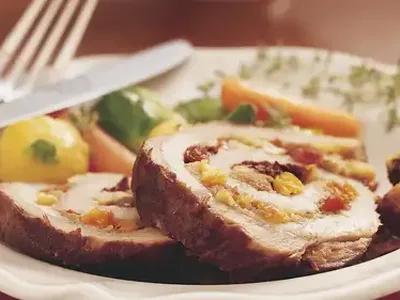
Slow-Cooker Fruit-Stuffed Pork Loin Roast with Apple Glaze
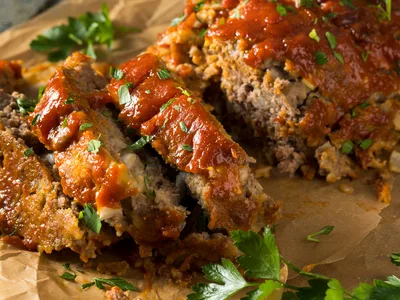
Air Fryer Meatloaf with Ketchup Glaze