How to Use a Meat Thermometer
A meat thermometer measures internal temperature by inserting a metal probe into the thickest part of meat. Digital thermometers give instant readings while dial thermometers take 15-20 seconds.
Why it matters
Cooking to exact temperatures prevents foodborne illness and guarantees perfect doneness every time. You get medium-rare steak at 135°F instead of guessing. Chicken hits safe 165°F without drying out at 180°F. No more cutting meat open to check, which releases juices.
What you need
Steps
Test your thermometer in ice water before cooking. Fill a glass with ice and add water to the top. Insert probe 2 inches deep without touching sides. Digital should read 32°F within 10 seconds. Dial types need 30 seconds.
Insert thermometer into the thickest part of meat, avoiding fat, bone, or gristle. Push probe at least 2.5 inches deep for thick cuts. For thin items like burgers, insert sideways through the edge to reach the center.
Wait for the reading to stabilize. Digital models beep or stop changing numbers after 3-5 seconds. Watch dial thermometers climb steadily for 15-20 seconds until the needle stops moving completely.
Check multiple spots on large roasts or whole birds. Test breast and thigh on poultry, reading 165°F minimum in both locations. For beef roasts over 3 pounds, check center and ends since edges cook faster.
Remove meat from heat 5°F below target temperature. Internal temp rises 5-10°F during resting as outer heat migrates inward. Pull steaks at 130°F for medium-rare 135°F after resting.
Clean thermometer probe with alcohol wipe or hot soapy water between testing raw and cooked meat. Bacteria transfers on dirty probes. Dry completely before storing to prevent rust on metal stems.
Common Mistakes
Touching bone or pan bottom with probe
What happens: False high reading by 20-40°F leads to undercooked meat
Fix: Angle probe to hit meat center, adjusting until temp drops to true reading
Testing too close to surface
What happens: Surface reads 10-15°F higher than center, meat stays raw inside
Fix: Insert probe halfway through thickest section, minimum 2.5 inches deep
Leaving thermometer in meat while cooking
What happens: Plastic parts melt in 350°F ovens, metal conducts heat for false readings
Fix: Use leave-in probe thermometers rated for oven use, not instant-read types
Not calibrating thermometer regularly
What happens: Off by 5-10°F after drops or heavy use, causing over or undercooking
Fix: Test monthly in 32°F ice water and 212°F boiling water
Troubleshooting
Temperature drops when moving probe to new spot
Then: Normal behavior. Each location cooks differently. Map temps across whole cut, cook to lowest reading
Digital thermometer shows 'LLL' or won't turn on
Then: Replace battery. Most use CR2032 coin batteries lasting 1-2 years with normal use
Readings vary wildly in same spot
Then: Probe hitting air pockets or fat veins. Reinsert 0.5 inches away in pure muscle
Related Techniques
FAQ
What's the difference between instant-read and leave-in thermometers?
Instant-read thermometers give readings in 2-10 seconds but can't stay in food while cooking since plastic parts melt above 400°F. Leave-in probe thermometers connect to external displays via heat-safe cables, monitoring temperature continuously during cooking. Instant-reads cost $15-50 while leave-in models run $30-150. Most home cooks need only an instant-read for checking doneness.
Can I use the same thermometer for meat and candy?
No. Meat thermometers typically measure 0°F to 220°F with 2°F accuracy. Candy thermometers read 100°F to 400°F with 1°F precision needed for sugar stages. Meat thermometer probes are 4-5 inches long to reach roast centers. Candy thermometers need 12-inch probes to reach into deep pots without burning your hand. Buy separate tools or a dual-purpose model rated for both ranges.
How do I know where to stick the thermometer in different cuts?
Target the geometric center of the thickest muscle section. For steaks over 1.5 inches, insert horizontally from the side to hit dead center. Whole chickens need checks in innermost thigh muscle and thickest breast area, both reading 165°F. Roasts require center testing plus spots 2 inches from each end. Avoid fat deposits which read 10°F cooler than surrounding meat.
Why does my thermometer give different readings than recipe times suggest?
Actual oven temperatures vary 25-50°F from dial settings. Meat thickness changes cooking time dramatically. A 2-inch pork chop takes twice as long as a 1-inch chop at same temperature. Starting meat temperature matters too. Room temperature meat cooks 25% faster than refrigerator-cold. Trust the thermometer over time estimates. Internal temperature determines doneness, not minutes cooked.
Recipes Using This Technique
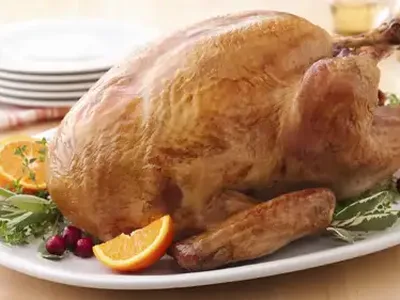
Best Brined Turkey Recipe for Juicy Roasted Holiday Bird
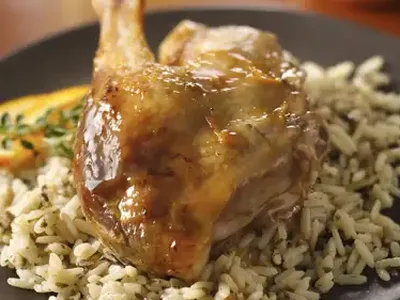
Classic Roast Duck with Orange Sauce
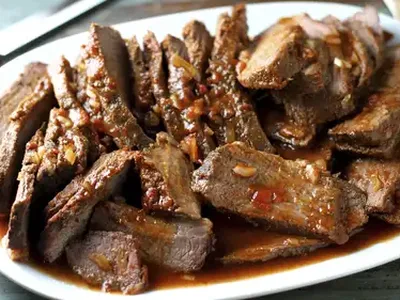
Slow-Cooker Chipotle BBQ Beef Brisket
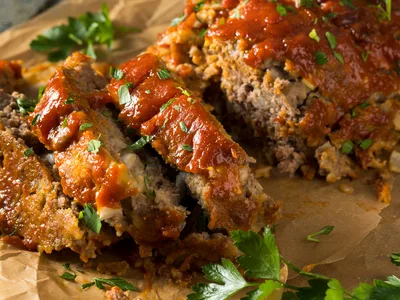
Air Fryer Meatloaf with Ketchup Glaze
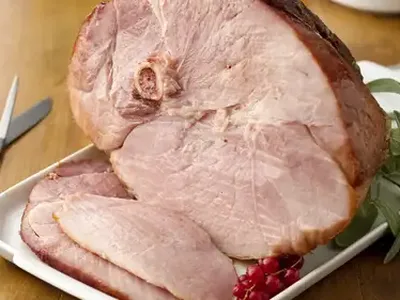
Sweet and Spicy Glazed Ham with Maple and Warm Spices